Commenters contextualize work within history of emergent behavior research
3 Nov 1 · 7d ago · 2 posts · 3 comments · 2 sources · development 3 of 3
Discussion centers on the pedagogical value of the piece and its place in a longer tradition of exploring how simple rules generate complex behavior, from W. Grey Walter's 1948 robots to modern simulations.
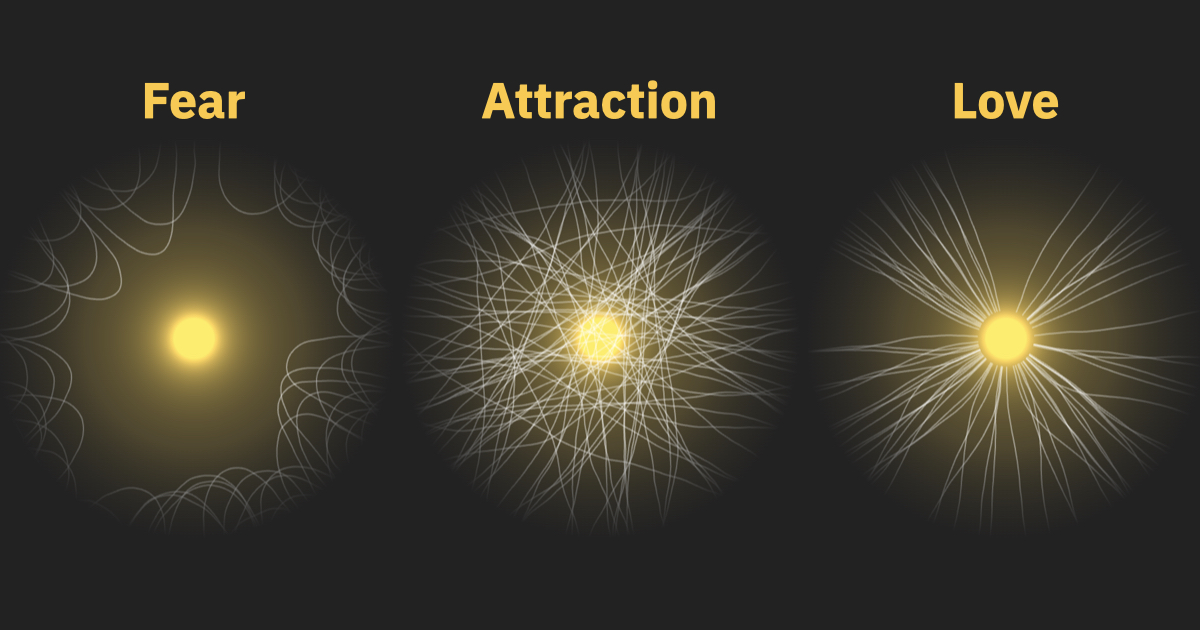
“The ancestor is not Braitenberg. It's Grey Walter's turtles. In 1948, W. Grey Walter built two simple robots that could sense light and touch. Much complex behavior emerged.”
AnimatsAatish Bhatia Author and educatorW. Grey Walter Pioneering roboticist (1948)
The whole story postscomments the bright band is this development · numbered dots are the others · click one to jump
What people said 2 voices · best of 4 · verbatim
-
I always think of Conway's Game of Life in this regard. He (Conway) seems to not think that much of his invention, but to me it it THE understandable proof that nearly anything can emerge from simple rules. Even the Game of life itself [0]. It's the basis of Permutation city (Greg Egan) [1], from 1994 (!) That guy is so ahead of his time, him and…
-
Highly recommend the photovore BEAM robot if you’ve got a soldering iron. It requires a small solar cell and a few analog components from online suppliers like Digikey.
All 3 developments of Aatish Bhatia explains how simple neural circuits create… →
Hacker NewsMastodonLobsters