H5N1 bird flu spreads across Australia and New Zealand, threatening rare wildlife
Australia records over 215 confirmed cases across five states; conservationists warn of mass mortality risk to endangered species.
Conversation activity · last 2 days peak 7/hr
Summary, timeline and people extracted by Claude from 18 items across 3 sources · 9h ago. Quotes are verbatim.
H5N1 avian influenza has spread rapidly across Australia and New Zealand since reaching wild birds in mid-2026, with confirmed cases now exceeding 215 across five Australian states and reaching New Zealand's endangered bird populations. Authorities have confirmed the first mass mortality event in Australian wildlife on an island off South Australia's coast and identified 386 native bird and mammal species at high to extreme risk, including marine mammals like seals and sea lions that face similar devastation seen in South America. Conservation efforts include vaccination programs in New Zealand and increased surveillance and biosecurity measures in Australia, with officials warning this outbreak represents a major threat to already vulnerable species.
- Australia has recorded 215+ confirmed H5N1 cases across five states, with mass mortality confirmed in wildlife; New Zealand is vaccinating endangered birds.
- Risk assessment identifies 386 native Australian species at high to extreme risk, including marine mammals like seals and sea lions vulnerable to catastrophic die-offs seen in South America.
- Government surveillance and biosecurity frameworks are in place, with public reporting of sick/dead birds crucial for early detection and containment.
How it unfolded
-
Report First confirmed mass mortality in Australian wildlife
Testing confirmed the first mass mortality event from H5N1 in Australian wildlife on an island off South Australia's south-east coast; environment minister Murray Watt warned of further mass mortality events expected.
-
Report Risk analysis identifies 386 vulnerable species
Federal government released risk analysis ranking over 2,000 native birds and mammals; 386 species assessed as high to extreme risk, including seals, sea lions, and dolphins.
-
Event NSW records first native bird cases
New South Wales confirmed two H5 cases in Australian native Greater Crested Turns found dead near Narooma and Wentworth, marking the state's first detection in native species.
-
Event Victoria reports 10 new cases
Victoria recorded 10 new bird flu cases, bringing Australia's total to 215 confirmed cases across five states.
-
Report H5N1 reaches New Zealand's wild birds
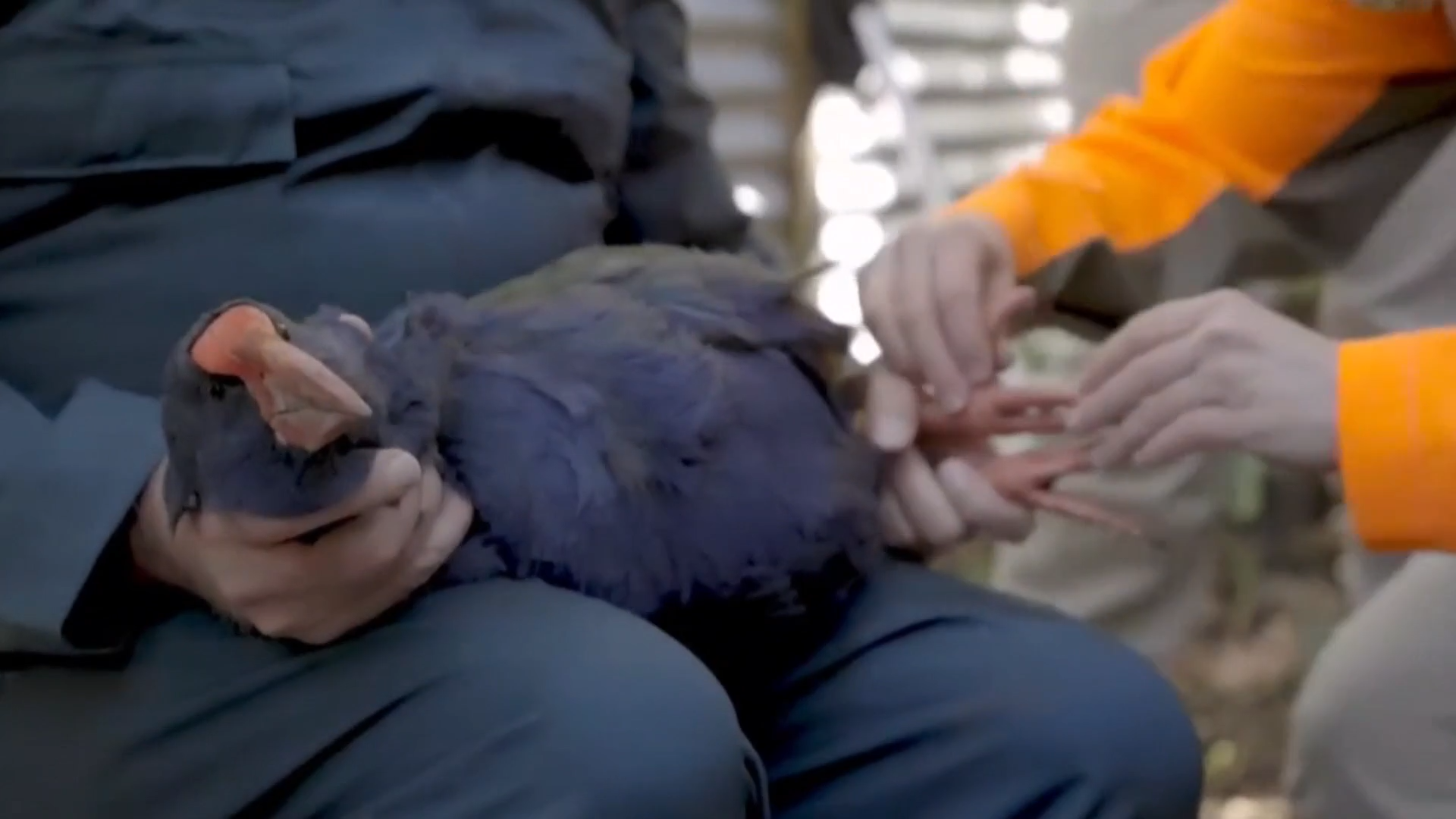
The virus spread to wild birds in New Zealand; conservationists began rushing to vaccinate rare and endangered birds.
-
Event Federal biosecurity framework begins
The federal government's framework on national poultry biosecurity measures commenced on July 31.
- 9 weeks quiet
-
Event Australia confirms first H5N1 case
Australia confirmed its first case of avian flu in June 2026, signaling the virus's arrival in the region.
What people are saying verbatim
“That sort of impact hasn't been seen with bird flu before in these species, and they're highly vulnerable as it is. There's a number of other threats that these species face, so to have a serious disease on top of all of that is a major conservation concern.”
Simon Gorta, UNSW seabird ecologist · ABC News & Headlines – Australian Broadcasting Corporation · Aug 8
“One of the sub-Antarctic islands that Australia owns, Heard Island, we have seen a mass mortality of baby seals there. We'll do everything we can to try to keep those species at a population level that they're still going to be around forever, but it's going to have very serious impacts.”
Murray Watt, Environment Minister · ABC News & Headlines – Australian Broadcasting Corporation · Aug 8
“This is certainly a disease of global importance and every citizen can play their role. Australia and New Zealand are the last region in the world to be impacted by this disease. It's really important that if anybody does see sick or dead birds, that they report it to the emergency animal disease hotline.”
Campbell-Ward, University of Sydney Associate Professor · ABC News & Headlines – Australian Broadcasting Corporation · Aug 8
“These positive cases are not unexpected. We have been preparing for a situation like this, and we remain well-equipped to respond to manage further impacts.”
Penny Sharpe, NSW Environment Minister · Nine.com.au · Aug 8
Voices from the web unedited
-
Fears avian flu outbreak could wipe out New Zealand’s rare birds
-
A bird flu outbreak at Kathmandu’s Central Zoo killed more than 65 animals, exposing flaws in Nepal’s disease surveillance. Experts warn the virus could spread undetected in national parks, yet authorities have no plans for park-specific monitoring or response programs. Read the full story 👇️
-
Latest from our AAP #news feed #auspol Challenge for native bird colony amid flu outbreak. Fears are growing for a native bird colony as residents report finding dead birds on beaches while the deadly H5 bird flu outbreak continues to esca...