Expert says battery reduces size constraints of ingestible devices
3 Sep 21 · 2d ago · 1 article · 1 post · 2 sources · development 3 of 3
Reza Ghodssi, a professor of electrical and computer engineering at the University of Maryland not involved in the study, noted that the battery's ability to provide required power while reducing capsule size addresses a major limitation in ingestible medical device design.
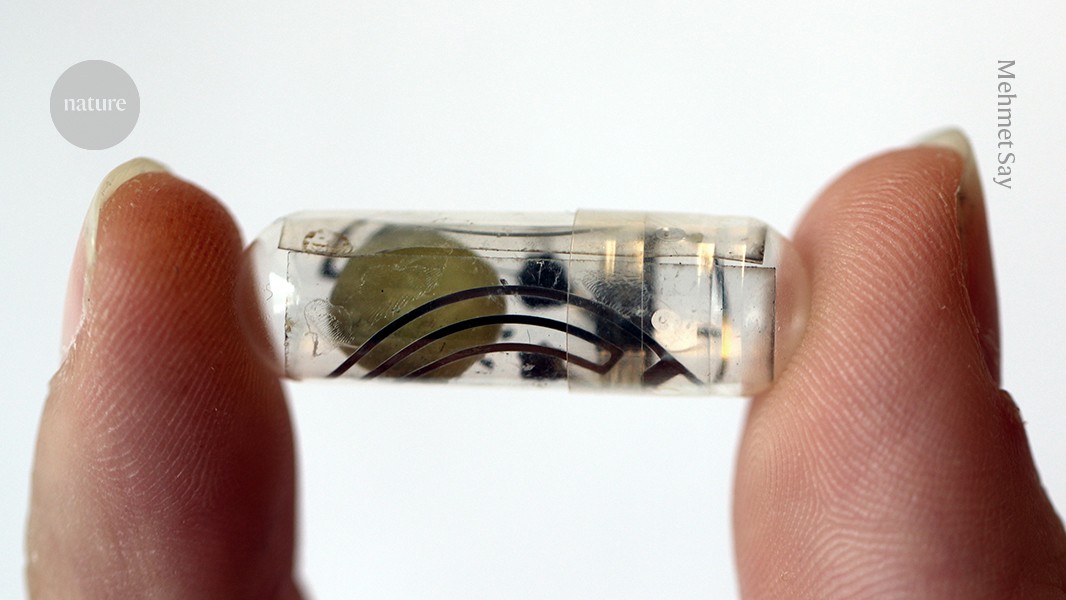
“The battery is one component that takes up most of the space in an ingestible device, so anything that can provide the required power while reducing the size of the capsule is very promising.”
Reza GhodssiGiovanni Traverso MIT mechanical engineer and gastroenterologistMehmet Girayhan Say MIT postdoc and lead authorReza Ghodssi University of Maryland electrical engineering professor
The whole story articlesposts the bright band is this development · numbered dots are the others · click one to jump
What was reported 1 claim about this development
-
first by Nature, 2d ago · also Live Science
2 more headlines
- Paper Battery Prototype Could Power Devices Inside the Body for Days insideprecisionmedicine.com · 2d ago
- Scientists made a paper battery you can swallow to power internal medical devices Live Science · 2d ago
What people said 2 voices · verbatim
-
 S
S
"A battery made with a substance resembling edible rice paper can power swallowable electronic medical devices. And after the battery has been safely digested, its broken-down ingredients can be absorbed by the body." https://www. nature.com/articles/d41586-026 -02987-3 # Batteries # Biology # Health # Medicine # Devices
-
 U
U
https://www. europesays.com/us/1078073/ Edible batteries power medical devices in the body # Biomaterials # energy # Health # HumanitiesAndSocialSciences # MedicalResearch # multidisciplinary # Science # UnitedStates # UnitedStates # US
All 3 developments of MIT researchers create biodegradable batteries for… →
NewswiresMastodonHacker NewsGoogle News