MIT researchers create biodegradable batteries for ingestible medical devices
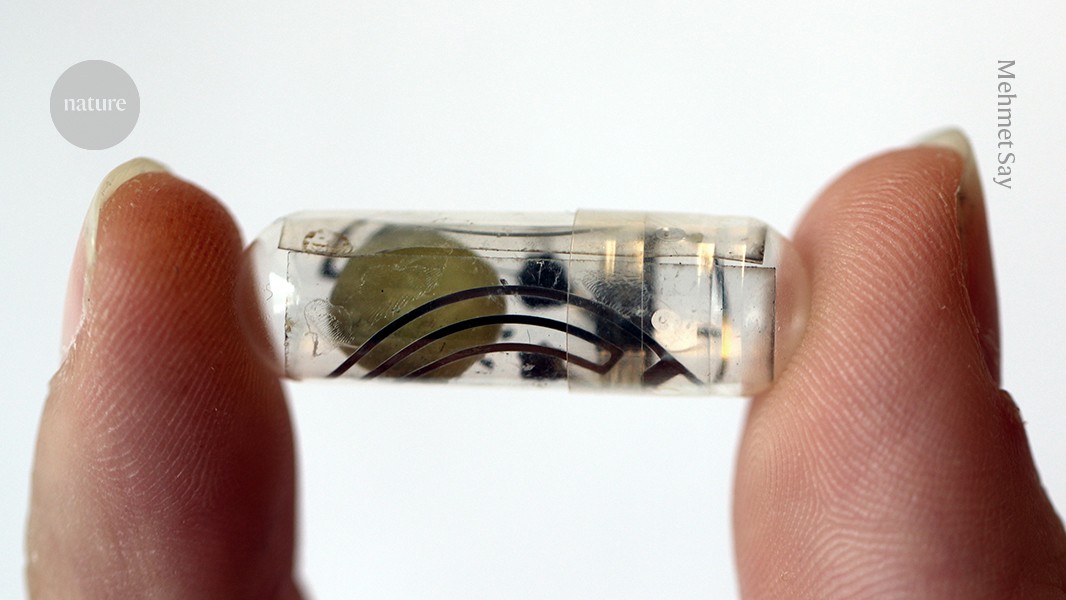
Batteries made from magnesium and molybdenum trioxide can power internal medical devices and safely break down in the digestive tract.
What to know
- MIT researchers developed ingestible batteries made from magnesium and molybdenum trioxide that safely dissolve in the digestive tract, addressing safety risks posed by conventional toxic battery materials.
- In pig studies, the batteries powered an RFID tracking tag and a hormone-stimulation device for up to three days before breaking down and being absorbed by the body.
- The design uses an edible rice-paper-inspired cellulose coating and biodegradable ionic liquid electrolyte, eliminating the need for external power or surgical device removal.
- The breakthrough could enable smaller, safer ingestible devices for monitoring health, delivering drugs, and treating digestive disorders without the contamination risks of conventional batteries.
“If an ingested medical device breaks open and the battery inside it leaks, it can cause chemical burns. The battery can also release toxic materials as it passes through the digestive system.”
Giovanni Traverso, MIT mechanical engineer and gastroenterologist · Nature News ↗
Giovanni Traverso MIT mechanical engineer and gastroenterologistMehmet Girayhan Say MIT postdoc and lead authorReza Ghodssi University of Maryland electrical engineering professor
How it unfolded 3 developments, newest first · click a bar or a number to jump articlesposts
-
3
Expert says battery reduces size constraints of ingestible devices
Reza Ghodssi, a professor of electrical and computer engineering at the University of Maryland not involved in the study, noted that the battery's ability to provide required power while reducing capsule size addresses a major limitation in ingestible medical device design.
“The battery is one component that takes up most of the space in an ingestible device, so anything that can provide the required power while reducing the size of the capsule is very promising.”
— Reza Ghodssi -
first by Nature, 2d ago · also Live Science
2 more headlines
- Paper Battery Prototype Could Power Devices Inside the Body for Days insideprecisionmedicine.com · 2d ago
- Scientists made a paper battery you can swallow to power internal medical devices Live Science · 2d ago
-
 S
S
"A battery made with a substance resembling edible rice paper can power swallowable electronic medical devices. And after the battery has been safely digested, its broken-down ingredients can be absorbed by the body." https://www. nature.com/articles/d41586-026 -02987-3 # Batteries # Biology # Health # Medicine # Devices
1 more of the top 2 · 2 posts in this stretch
-
 U
U
https://www. europesays.com/us/1078073/ Edible batteries power medical devices in the body # Biomaterials # energy # Health # HumanitiesAndSocialSciences # MedicalResearch # multidisciplinary # Science # UnitedStates # UnitedStates # US
-
-
1
Battery design inspired by edible rice paper coating
The battery uses a cellulose-based coating inspired by edible rice paper wrappers, dipped in beeswax to slow stomach acid degradation. The entire system is composed of magnesium (anode), molybdenum trioxide (cathode), and a biodegradable ionic liquid electrolyte that dissolves safely in the digestive tract.
“We were partly inspired by candies that have an edible rice-paper wrapper.”
— Giovanni Traverso -
first by The Economist, 2d ago
-
1 outlet first by Nature News, 3d ago · read ↗
-
-
background
Battery tested in pigs for up to three days — Researchers tested the biodegradable batteries in pigs, where they powered two types of devices: an RFID tag that transmits data from the stomach and a capsule that produces electrical current to stimulate ghrelin (hunger hormone) production. The batteries functioned normally for approximately three days before breaking down.
-
2
MIT researchers publish study on ingestible biodegradable batteries
Scientists led by Giovanni Traverso at MIT published findings in Nature Chemical Engineering describing batteries made from magnesium and molybdenum trioxide that can power ingestible medical devices and safely break down in the body. The batteries generate 1.84 volts and were designed using materials safe for human consumption.
“Could we develop a battery that was bioresorbable, and then apply that across a range of application areas?”
— Giovanni Traverso -
first by MIT News, 2d ago
-
Also covered reported alongside — the timeline has no entry for these yet
-
first by Financial Times, 2d ago · also FT