Silicate clouds and molten ocean explain atmospheric survival
2 Oct 27 · 12d ago · 3 articles · 1 post · 3 sources · development 2 of 2
Researchers propose that reflective silicate mineral clouds (silicon dioxide and magnesium silicate) form over the dayside and act as a sunscreen, preventing extreme surface heating. Simultaneously, the planet's global ocean of molten rock may function as a planet-wide volcano, continuously releasing gases to replenish the atmosphere—solving the puzzle of why it has not dissipated.
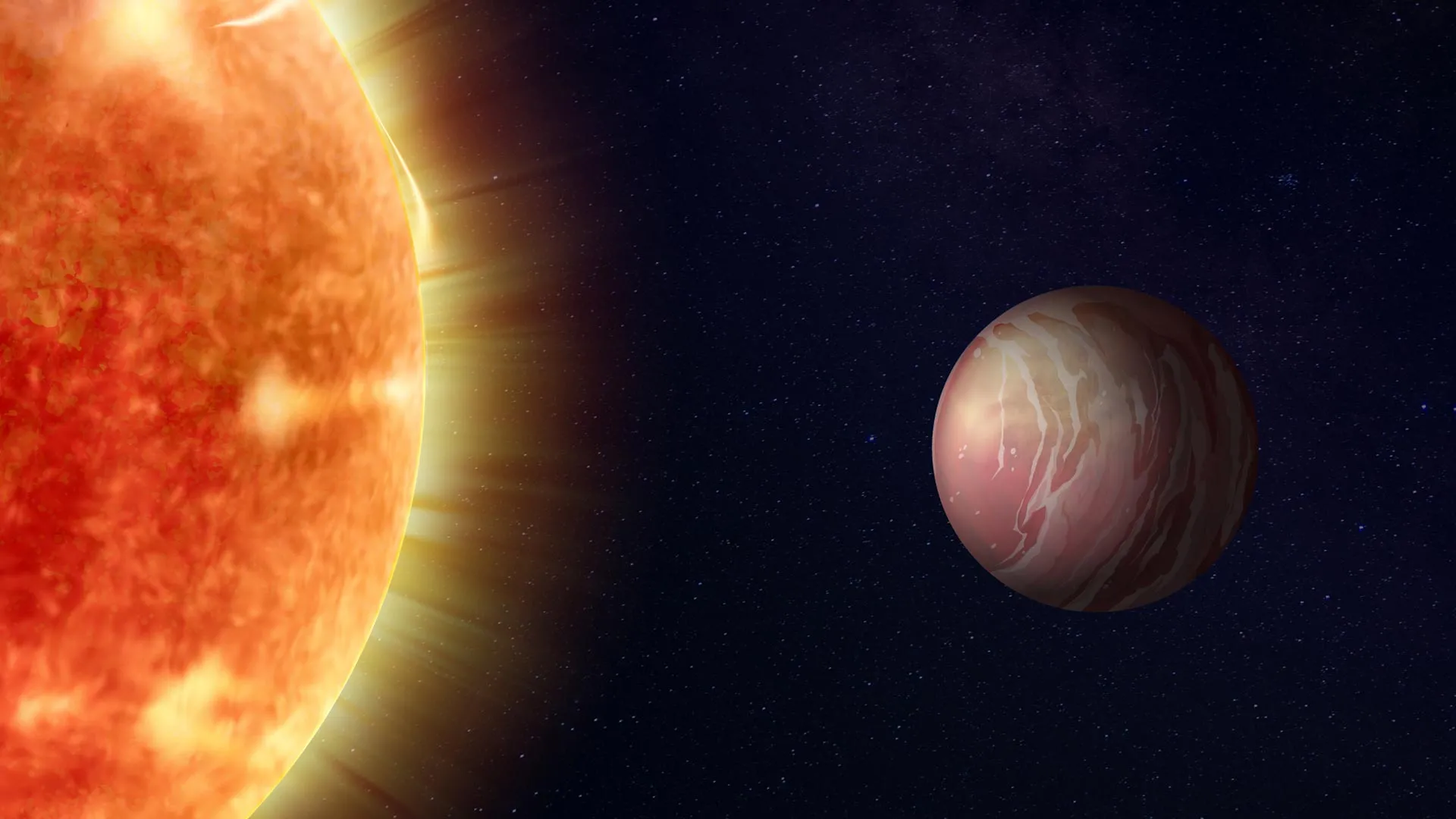
“This raises major questions such as whether the planet started with an unusually large supply of gases or if the ocean of molten rock covering its surface, acts as a planet-wide volcano that is constantly feeding its atmosphere.”
Dr. Anjali PietteDr. Anjali Piette Lead researcher, University of BirminghamJames Webb Space Telescope team International research collaboration
The whole story articlesposts the bright band is this development · numbered dots are the others · click one to jump
Reported in the same hours no headline names this development itself — these 2 claims were published in its stretch
-
first by Martin Cid Magazine, 12d ago
-
first by Science Daily, 12d ago
All 2 developments of Webb finds lava planet with reflective atmosphere defying… →
Google NewsNewswiresMastodon