Sheffield team develops replicable recipe for dichroic glass
1 Oct 27 · 12d ago · 3 articles · 2 posts · 4 sources · development 1 of 1
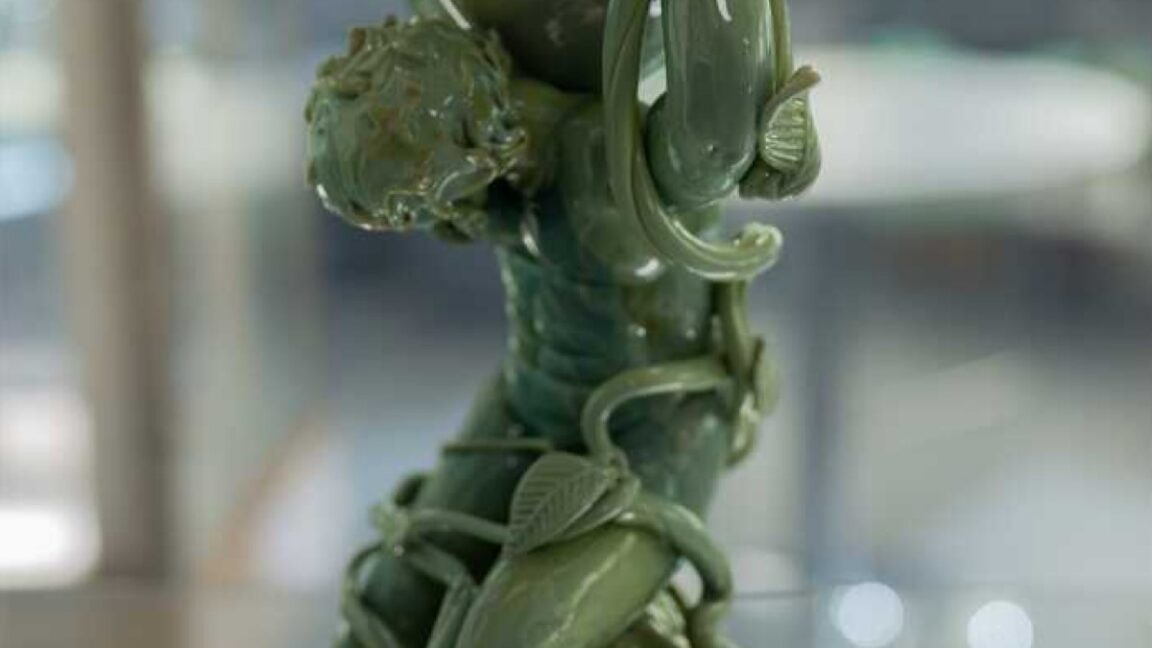
University of Sheffield scientists Lisa Hollands and Caroline Jackson devise the first consistent, replicable formula for creating the Lycurgus Cup's optical effects in traditional glass. Through experimentation with furnace types, materials, oxygen levels, and additives including sugar, Hollands produces glass with the desired green-to-red color shift.
“I knew that making a glass of this type was likely to be a complex task, as it is not just a case of adding nanoparticles to glass.”
Lisa HollandsLisa Hollands Researcher, University of SheffieldCaroline Jackson Roman glass expert, University of SheffieldUniversity of Sheffield Research institution
The whole story articlesposts the bright band is this development · numbered dots are the others · click one to jump
What was reported 1 claim about this development
-
first by Ars Technica, 12d ago · also Ars Science
1 more headline
- Sculpture re-creates odd optical effects of famed Lycurgus Cup Ars Technica · 12d ago
What people said 2 voices · best of 3 · verbatim
-
 A
Scientists recreate the 1,600-year-old recipe of Lycurgus Cup New contemporary sculpture replaces the globe in the original Roman artifact with a cup as a tribute. https:// arstechnica.com/science/2026/1 0/scientists-recreate-the-1600-year-old-recipe-of-lycurgus-cup/?utm_brand=arstechnica&utm_social-type=owned&utm_source=mastodon&utm_medium=social
-
 U
https://www. europesays.com/us/1148709/ Sculpture re-creates odd optical effects of famed Lycurgus Cup # Science # UnitedStates # UnitedStates # US
All 1 developments of Sheffield scientists recreate 1,600-year-old Lycurgus Cup… →
MastodonBlueskyNewswiresGoogle NewsHacker News