conv.

← The whole story
Science
Physicist proposes using radio telescopes to trace cosmic neutrinos' origins

Radio telescope approach could solve long-standing neutrino origin mystery

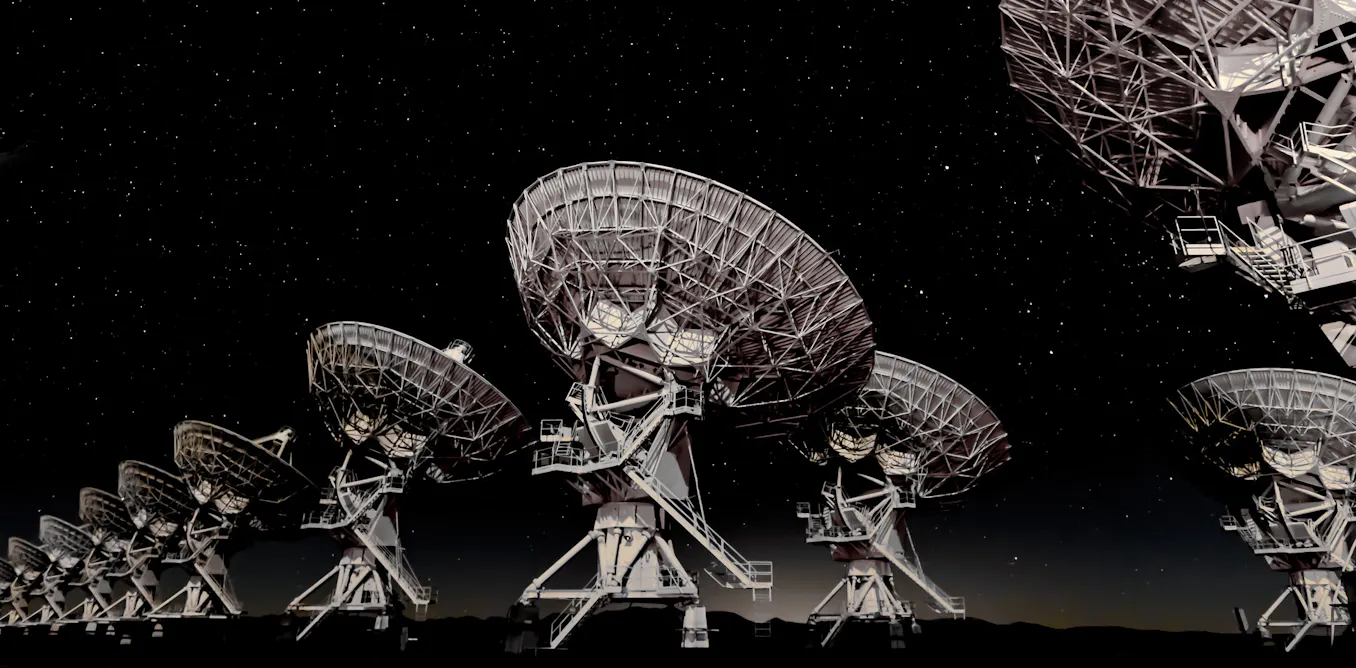
The study addresses a fundamental challenge in neutrino astronomy: IceCube detects exceptionally high-energy neutrinos—hundreds of thousands of times more energetic than previously observed—but scientists have struggled to pinpoint their sources. Using radio telescope data as a matching tool could reveal which astrophysical objects produce these particles.

Radio telescope approach could solve long-standing neutrino origin mystery
theconversation.com

“Even though these telescopes can't see neutrinos, we can use their data to match up IceCube's detections with their potential sources out in space.”

Yjan Gordon

Yjan Gordon Instructor of Physics, University of Wisconsin-WhitewaterIceCube Collaboration Research collaboration operating neutrino detector

The whole story articlesposts the bright band is this development · numbered dots are the others · click one to jump
Peak 2 pieces in 3h at Oct 30, 7 AM; 5 pieces over 9 days (5 articles) Oct 30, 7 AM — 2 pieces · 2 articles — Google News 1, Newswires 1Oct 30, 10 AM — quietOct 30, 1 PM — quietOct 30, 4 PM — quietOct 30, 7 PM — 2 pieces · 2 articles — Google News 1, Newswires 1Oct 30, 10 PM — quietOct 31, 1 AM — quietOct 31, 4 AM — quietOct 31, 7 AM — quietOct 31, 10 AM — quietOct 31, 1 PM — quietOct 31, 4 PM — quietOct 31, 7 PM — quietOct 31, 10 PM — quietNov 1, 1 AM — quietNov 1, 3 AM — quietNov 1, 6 AM — 1 piece · 1 article — Mastodon 1Nov 1, 9 AM — quietNov 1, 12 PM — quietNov 1, 3 PM — quietNov 1, 6 PM — quietNov 1, 9 PM — quietNov 2, 12 AM — quietNov 2, 3 AM — quietNov 2, 6 AM — quietNov 2, 9 AM — quietNov 2, 12 PM — quietNov 2, 3 PM — quietNov 2, 6 PM — quietNov 2, 9 PM — quietNov 3, 12 AM — quietNov 3, 3 AM — quietNov 3, 6 AM — quietNov 3, 9 AM — quietNov 3, 12 PM — quietNov 3, 3 PM — quietNov 3, 6 PM — quietNov 3, 9 PM — quietNov 4, 12 AM — quietNov 4, 3 AM — quietNov 4, 6 AM — quietNov 4, 9 AM — quietNov 4, 12 PM — quietNov 4, 3 PM — quietNov 4, 6 PM — quietNov 4, 9 PM — quietNov 5, 12 AM — quietNov 5, 3 AM — quietNov 5, 6 AM — quietNov 5, 9 AM — quietNov 5, 12 PM — quietNov 5, 3 PM — quietNov 5, 6 PM — quietNov 5, 9 PM — quietNov 6, 12 AM — quietNov 6, 3 AM — quietNov 6, 6 AM — quietNov 6, 9 AM — quietNov 6, 12 PM — quietNov 6, 3 PM — quietNov 6, 6 PM — quietNov 6, 9 PM — quietYesterday, 12 AM — quietYesterday, 3 AM — quietYesterday, 6 AM — quietYesterday, 9 AM — quietYesterday, 12 PM — quietYesterday, 3 PM — quietYesterday, 6 PM — quietYesterday, 9 PM — quietToday, 12 AM — quietToday, 3 AM — quietToday, 6 AM — quietToday, 9 AM — quietToday, 12 PM — quiet 12
Oct 31Nov 1Nov 2Nov 3Nov 4Nov 5Nov 6yesterdaynow · 1:14 PM ET

Reported in the same hours no headline names this development itself — these 1 claim were published in its stretch

  1. first by Phys.org, 8d ago · also The Conversation

    1 more headline

All 2 developments of Physicist proposes using radio telescopes to trace cosmic… →

Google NewsNewswiresMastodon