Physicist proposes using radio telescopes to trace cosmic neutrinos' origins
A new study suggests radio telescope data could help match IceCube's high-energy neutrino detections to their sources in space.
What to know
- IceCube's Nobel Prize-winning detection of high-energy cosmic neutrinos solved one puzzle but created another: scientists cannot reliably pinpoint where these particles originate.
- A new study proposes using radio telescope observations as a matching tool to correlate IceCube's neutrino detections with their cosmic sources, leveraging data from multiple observatories.
- Identifying neutrino sources matters because it reveals the physics of extreme astrophysical events like quasars and supernovas that produce them.
“A researcher just won a Nobel Prize for detecting tiny particles from space. Scientists now want to get better at figuring out where in the cosmos they come from.”
The Conversation, Publication summary · The Conversation ↗ · Oct 29
Yjan Gordon Instructor of Physics, University of Wisconsin-WhitewaterIceCube Collaboration Research collaboration operating neutrino detector
How it unfolded 2 developments, newest first · click a bar or a number to jump articlesposts
-
2
Radio telescope approach could solve long-standing neutrino origin mystery
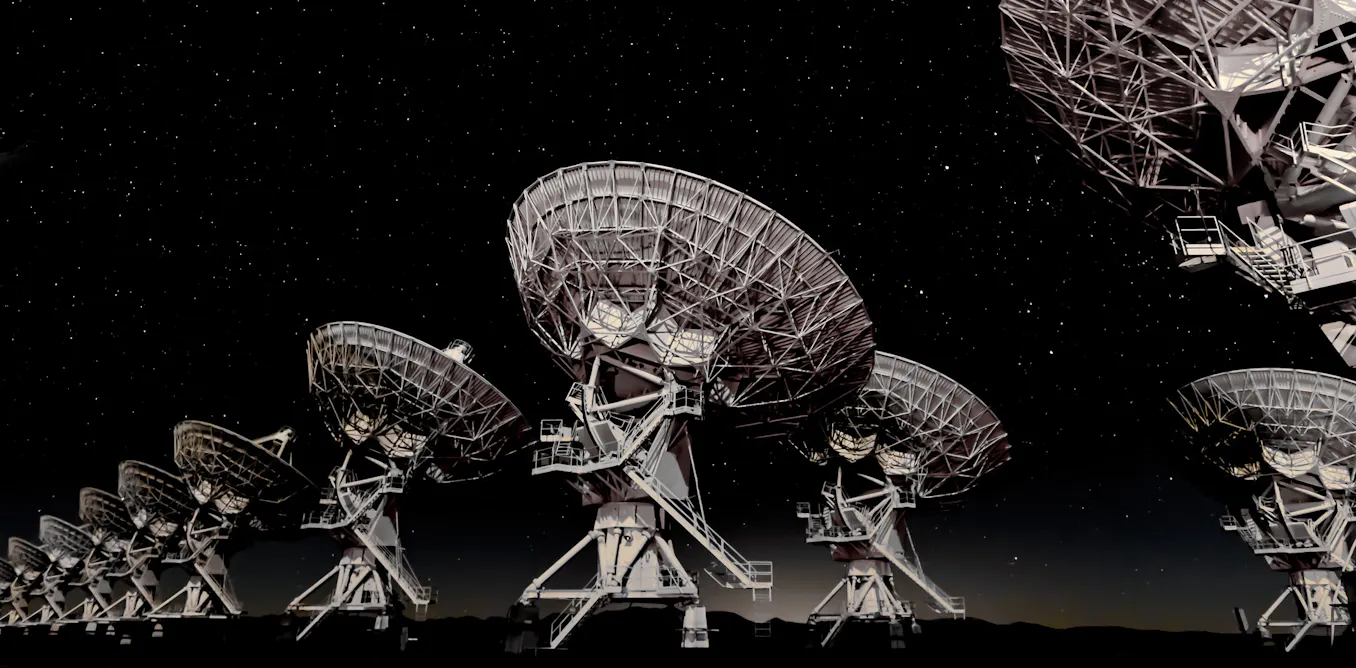
The study addresses a fundamental challenge in neutrino astronomy: IceCube detects exceptionally high-energy neutrinos—hundreds of thousands of times more energetic than previously observed—but scientists have struggled to pinpoint their sources. Using radio telescope data as a matching tool could reveal which astrophysical objects produce these particles.
“Even though these telescopes can't see neutrinos, we can use their data to match up IceCube's detections with their potential sources out in space.”
— Yjan Gordon -
1
Physicist publishes method to trace neutrino sources using radio telescopes
Yjan Gordon, an instructor of physics at the University of Wisconsin-Whitewater, published a study proposing that radio telescope data could help match IceCube's neutrino detections with their cosmic sources. The approach uses radio observations to correlate with IceCube's high-energy particle detections, even though radio telescopes cannot directly see neutrinos.
“A study that my colleagues and I published in October 2026 suggests that we could potentially use radio telescopes to answer this question.”
— Yjan Gordon
Also covered reported alongside — the timeline has no entry for these yet
-
first by Phys.org, 8d ago · also The Conversation
1 more headline