Mother's age shapes offspring through reversible gene changes, not DNA mutations
Scientists find maternal age effects are transmitted via epigenetic changes rather than permanent genetic damage.
What to know
- Maternal age effects—how mothers' age influences offspring traits—are driven by reversible epigenetic changes, not permanent DNA mutations.
- Research on rotifers suggests biological information can be transmitted across multiple generations without altering DNA sequence.
- The finding resolves a long-standing mystery in biology about the mechanism behind widespread maternal age effects across the animal kingdom.
“The discovery raises the fascinating possibility that biological information from mothers, grandmothers, and even great-grandmothers can shape the health of future generations.”
Science Daily · Science Daily
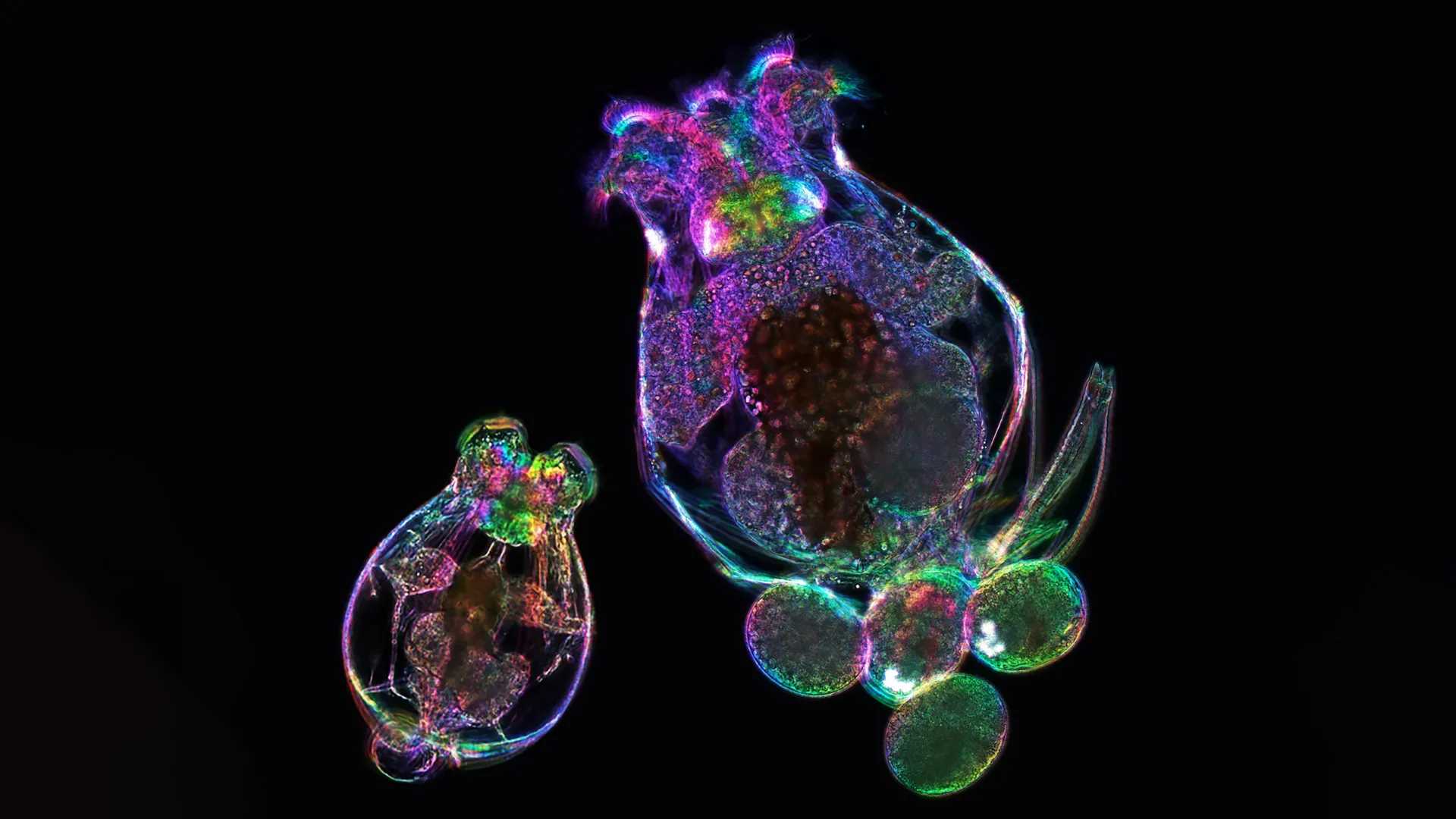
Scientists studying Brachionus manjavacas Researchers
The record 8 articles and posts · last 30 days
- summary covers to here · Aug 19, 10:48 PM · 1 piece above arrived after
What people are saying 3 voices from 1 site · verbatim
- Aug 20
-
 R
New research on rotifers finds that the maternal age effect, wherein a mother's age affects the characteristics of her offspring (usually adversely as age increases, and persisting across generations) is the result of epigenetic changes rather than DNA damage, and some effects can be reversed within a single generation. Summary: https://www…
- Aug 19
-
R
Scientists have found that the effects of a mother’s age on her offspring may be driven by reversible changes in gene activity rather than permanent DNA damage. The discovery raises the fascinating possibility that biological information from mothers, grandmothers, and even great-grandmothers . . . A mother’s age can shape her o...
- Aug 17
-
 S
Molecular memory: How maternal age leaves lasting marks on offspring cells A tiny aquatic animal is offering scientists a new explanation for one of biology’s most persistent mysteries: how a mother’s age can influence the characteristics of her descendants. Research on the rotifer Brachionus manjavacas suggests that maternal age effects may be…