Princeton study warns Reflect Orbital's 40,000 space mirrors would devastate night sky
New research finds each mirror would be 40 times brighter than the full moon, wiping out stars for hundreds of miles.
What to know
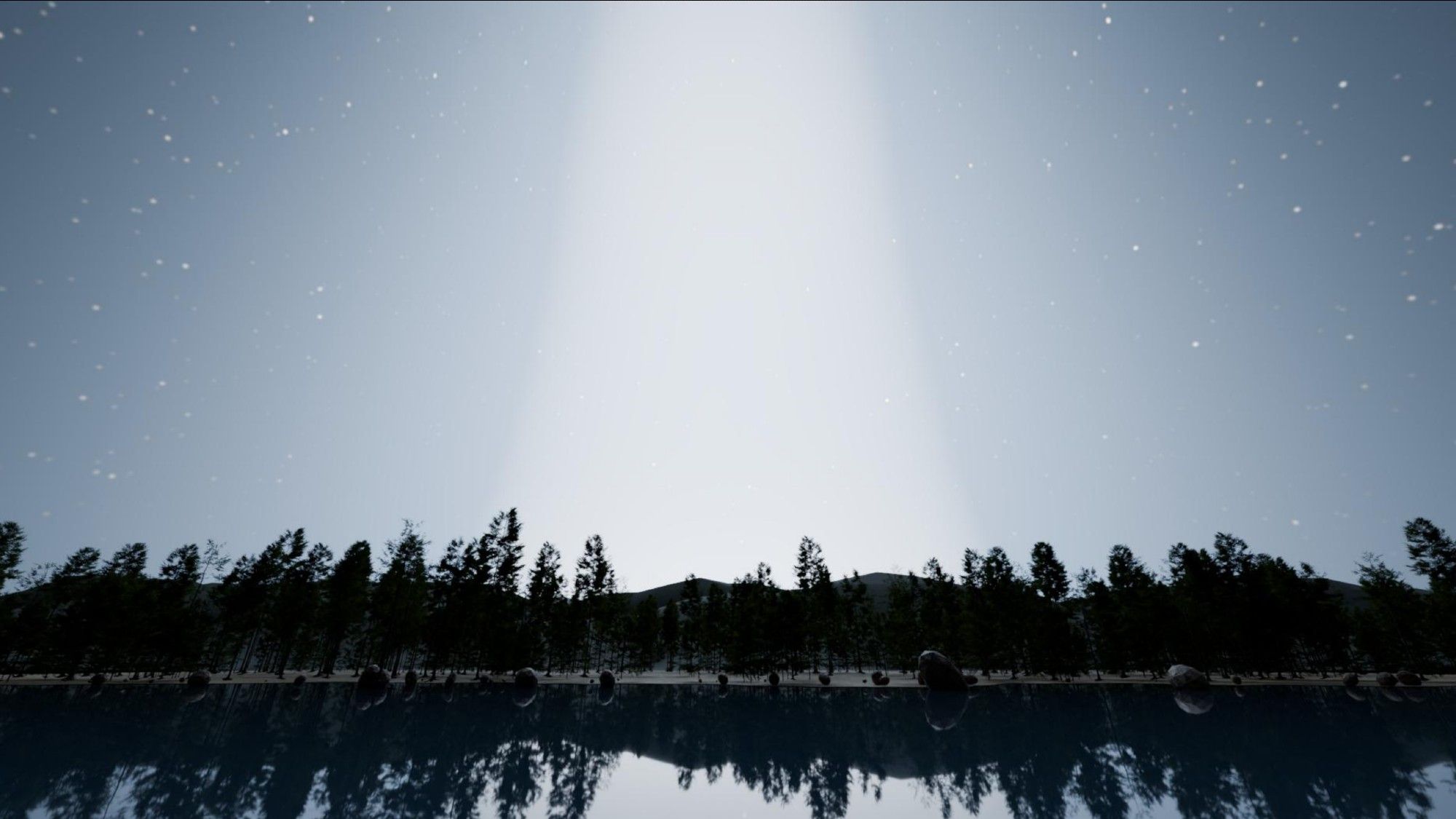
- Each of Reflect Orbital's proposed mirrors would appear 40 times brighter than the full moon and eliminate starlight across hundreds of miles due to atmospheric scattering.
- The company won FCC approval for a demonstration satellite (EARENDIL-1) but plans to eventually deploy 40,000 larger mirrors—a scale that would render night skies as bright as twilight across vast regions.
- Astronomers, environmental groups, and aviation stakeholders have filed FCC objections; the study aims to provide hard data where previous criticism relied on estimates.
- The company's stated purpose is to extend solar power operations into nighttime and illuminate disaster zones for free, but the light-pollution cost remains contested.
Reflect Orbital's mirror constellation would cause unacceptable light pollution and destroy night-sky observation for hundreds of millions of people.
-
“I can see a few benefits of LEO satellites for communications and data but this is just bad. Like bad, bad.”
mountdiscovery@spacey.space · Mastodon
“There has been some disbelief from Reflect Orbital about our original estimates, so we have taken data on light scattering in Earth's atmosphere which is based on papers that go back for decades to calculate the light pollution.”
Gaspar Bakos, Princeton astrophysicist, study author · Space.com
Gaspar Bakos Princeton astrophysicist, study lead authorReflect Orbital U.S. space startupU.S. Federal Communications Commission Regulatory body
The record 2 articles and posts · last 30 days
What people are saying 2 voices from 1 site · verbatim
- Aug 28
-
 S
"Each of the sun-reflecting mirrors proposed by U.S.-based startup Reflect Orbital will appear 40 times brighter than the full moon to observers standing within its beam on Earth, a study has found. The light pollution produced by each of those mirrors would completely wipe out stars from the sky for those underneath them, turning the starry night…
- Aug 26
-
 M
I can see a few benefits of LEO satellites for communications and data but this is just bad. Like bad, bad. https://www. space.com/space-exploration/sa tellites/massive-space-mirrors-could-be-40-times-brighter-than-the-full-moon-astronomers-warn-it-will-be-worse-than-big-cities-like-london