NASA-backed team engineers yeast to convert plastic waste into edible cookies
Southern Illinois University researchers developed a system to transform PET plastic and agricultural waste into food ingredients through genetically programmed microorganisms.
What to know
- Researchers at Southern Illinois University engineered yeast to convert PET plastic and agricultural waste into edible proteins, vitamins, and flavorings through a proprietary oxidative hydrothermal dissolution process.
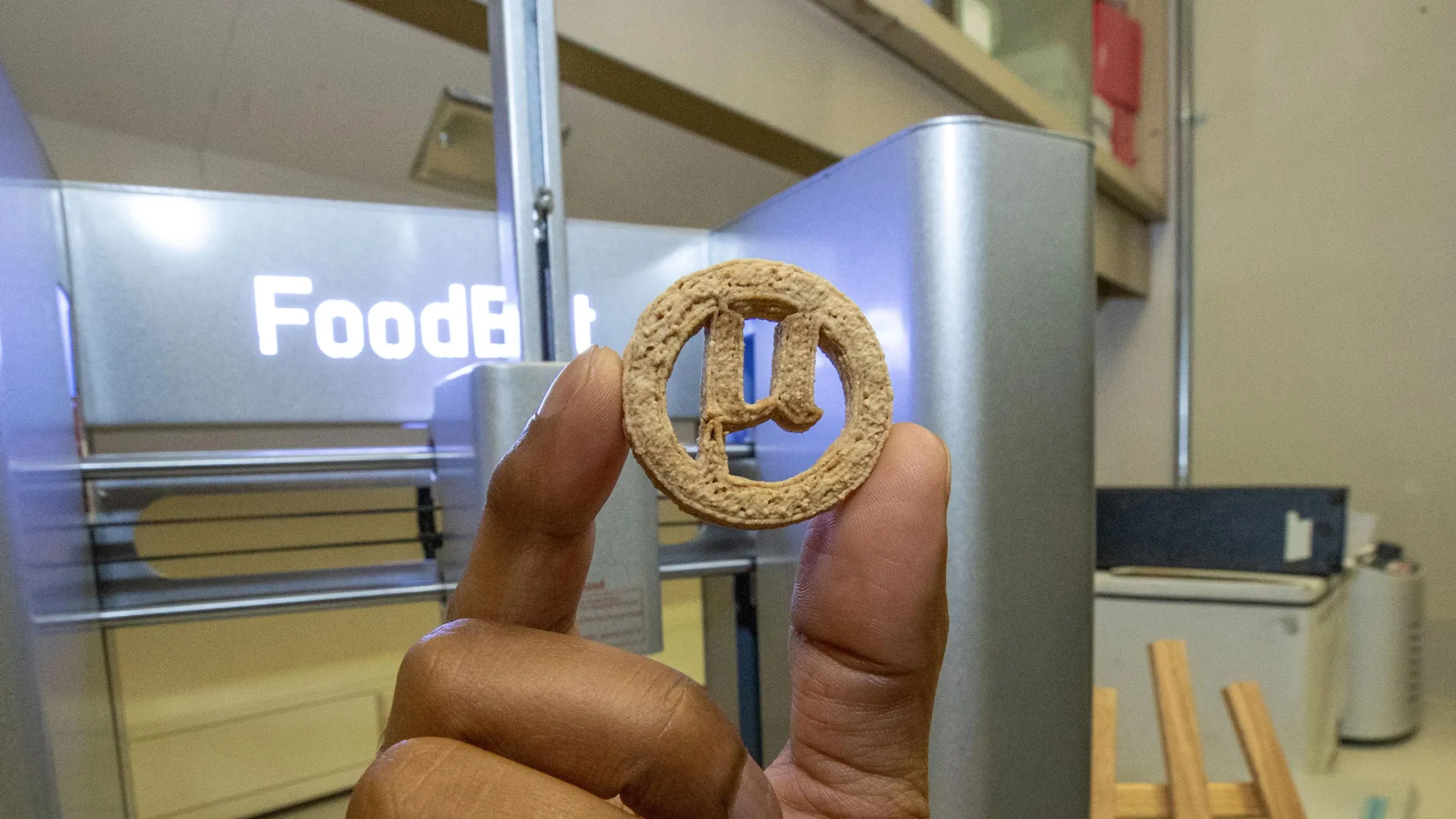
- The system produces 3D-printed protein-rich cookies called µBites, developed partly for NASA's Deep Space Food Challenge to enable food production in resource-limited deep space environments.
- The technology addresses dual global challenges—plastic pollution and food insecurity—with potential applications ranging from disaster relief on Earth to human deep-space missions.
“We were trying to develop technologies for plastic upcycling to make more valuable products. We thought, why not focus on making food? Because plastic is carbon and food is carbon.”
Lahiru Jayakody, Associate Professor, SIU Carbondale · Science Daily ↗ · Sep 12
Lahiru Jayakody Associate Professor, SIU CarbondaleSandhya Jayasekara Graduate student, SIU CarbondaleKen Anderson Geology Professor, SIU CarbondaleSouthern Illinois University Carbondale Research institutionNASA Funding agency
How it unfolded 2 developments, newest first · click a bar or a number to jump articlesposts
-
background
Hacker News picks up plastic-to-food conversion story — The research gains traction on Hacker News three days after the initial ACS presentation, continuing to spread across technology and science communities online.
-
2
Reddit community shares NASA plastic-to-cookies research
The story circulates on Reddit, spreading awareness of the Southern Illinois University research among social audiences.
-
1
Science Daily reports engineered yeast creates protein-rich cookies from waste
Coverage reveals the system produces ingredients for 3D-printed cookies called µBites, developed partly for NASA's Deep Space Food Challenge, capable of producing proteins, fats, vitamins, and vanilla flavoring from plastic and biomass waste.
“Microbes are very clever. So, we are using their traits to solve the problems we created.”
— Lahiru Jayakody, Associate Professor, SIU Carbondale · source -
first by SciTechDaily, 5d ago
-
-
background
SIU Carbondale team presents yeast-based plastic-to-food conversion system — Researchers presented results at the fall meeting of the American Chemical Society showing they have engineered yeast to transform PET plastic and agricultural waste into food ingredients including proteins, vitamins, and flavorings.