conv.

All stories
ScienceQuiet 10d · day 10

Scientists test cataract implants in space for future Mars missions

US researchers exposed artificial eye lenses to the International Space Station environment to determine if they can withstand long-duration spaceflight.

What to know

  • US researchers tested 135 artificial eye implants on the International Space Station over six months to assess their durability in space conditions.
  • The research addresses a critical medical gap: how astronauts on multi-month Mars missions would receive emergency eye surgery if needed.
  • Results will inform whether cataract implants can withstand radiation, microgravity, and thermal extremes of long-duration spaceflight.

“The research team sent 135 unpackaged artificial lenses to the International Space Station, where they spent around six months exposed to conditions in low-Earth orbit before returning to Earth for analysis.”

Euronews · Euronews ↗

US research team Researchers conducting space medicine study
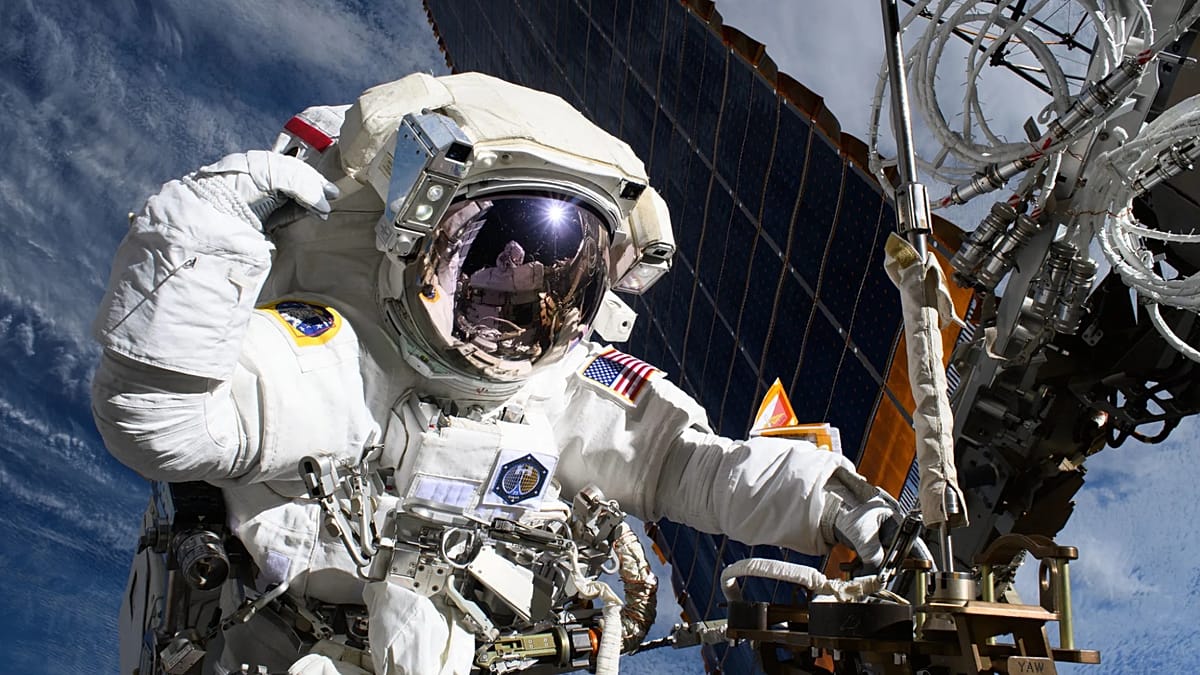
Scientists test cataract implants in space for future Mars missions
Euronews

How it unfolded 1 development · click the chart to see its coverage articlesposts

Peak 2 pieces in 3h at Sep 14, 6 AM; 3 pieces over 10 days (2 articles · 1 post) Sep 14, 6 AM — 2 pieces · 1 article · 1 post — Mastodon 1, Newswires 1Sep 14, 9 AM — 1 piece · 1 article — Google News 1Sep 14, 12 PM — quietSep 14, 3 PM — quietSep 14, 6 PM — quietSep 14, 9 PM — quietSep 15, 12 AM — quietSep 15, 3 AM — quietSep 15, 6 AM — quietSep 15, 9 AM — quietSep 15, 12 PM — quietSep 15, 3 PM — quietSep 15, 6 PM — quietSep 15, 9 PM — quietSep 16, 12 AM — quietSep 16, 3 AM — quietSep 16, 6 AM — quietSep 16, 9 AM — quietSep 16, 12 PM — quietSep 16, 3 PM — quietSep 16, 6 PM — quietSep 16, 9 PM — quietSep 17, 12 AM — quietSep 17, 3 AM — quietSep 17, 6 AM — quietSep 17, 9 AM — quietSep 17, 12 PM — quietSep 17, 3 PM — quietSep 17, 6 PM — quietSep 17, 9 PM — quietSep 18, 12 AM — quietSep 18, 3 AM — quietSep 18, 6 AM — quietSep 18, 9 AM — quietSep 18, 12 PM — quietSep 18, 3 PM — quietSep 18, 6 PM — quietSep 18, 9 PM — quietSep 19, 12 AM — quietSep 19, 3 AM — quietSep 19, 6 AM — quietSep 19, 9 AM — quietSep 19, 12 PM — quietSep 19, 3 PM — quietSep 19, 6 PM — quietSep 19, 9 PM — quietSep 20, 12 AM — quietSep 20, 3 AM — quietSep 20, 6 AM — quietSep 20, 9 AM — quietSep 20, 12 PM — quietSep 20, 3 PM — quietSep 20, 6 PM — quietSep 20, 9 PM — quietSep 21, 12 AM — quietSep 21, 3 AM — quietSep 21, 6 AM — quietSep 21, 9 AM — quietSep 21, 12 PM — quietSep 21, 3 PM — quietSep 21, 6 PM — quietSep 21, 9 PM — quietSep 22, 12 AM — quietSep 22, 3 AM — quietSep 22, 6 AM — quietSep 22, 9 AM — quietSep 22, 12 PM — quietSep 22, 3 PM — quietSep 22, 6 PM — quietSep 22, 9 PM — quietYesterday, 12 AM — quietYesterday, 3 AM — quietYesterday, 6 AM — quietYesterday, 9 AM — quietYesterday, 12 PM — quietYesterday, 3 PM — quietYesterday, 6 PM — quietYesterday, 9 PM — quietToday, 12 AM — quietToday, 3 AM — quiet 1
Sep 15Sep 16Sep 17Sep 18Sep 19Sep 20Sep 21Sep 22now · 6:44 AM ET
  1. 1

    Researchers test cataract implants aboard International Space Station

    A team of US researchers sent 135 unpackaged artificial lenses used in cataract surgery to the International Space Station. The lenses spent approximately six months exposed to conditions in low-Earth orbit before returning to Earth for analysis.

    “A trip to Mars could take months. So what happens if an astronaut develops a serious eye problem halfway there?”
    — Euronews
    1. first by au.news.yahoo.com, 9d ago · also Euronews