New brain implant decodes speech and gestures at the same time
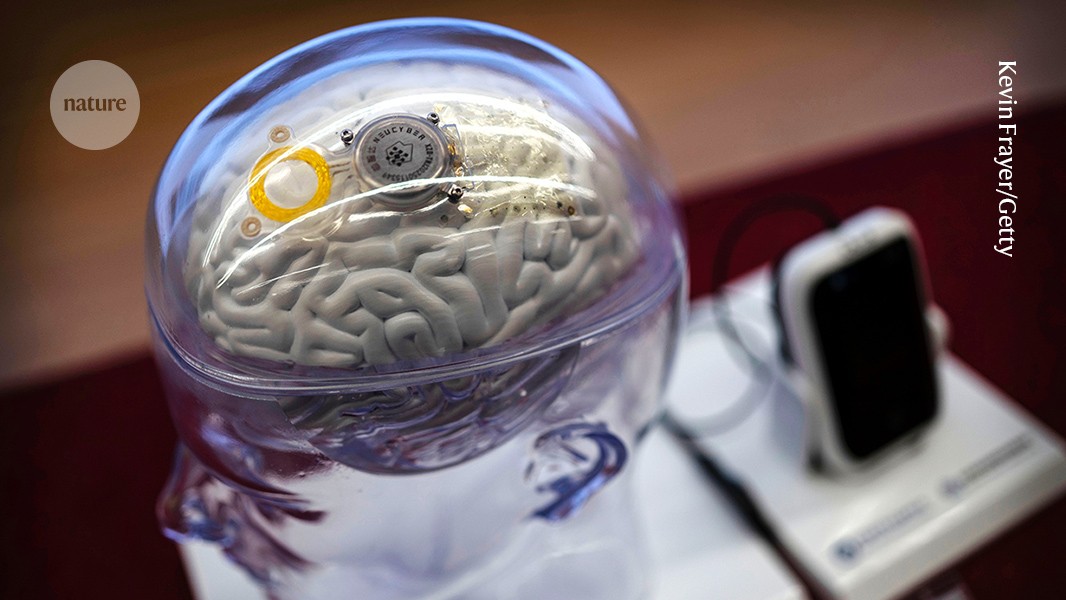
A 253-electrode BCI lets paralyzed patients speak and gesture simultaneously via AI, researchers report in Nature Neuroscience.
What to know
- A single implanted device decoded both intended speech and intended gestures simultaneously for the first time, converting brain activity into on-screen text and avatar movement within seconds.
- The system was tested in two participants with severe paralysis — one from a brainstem stroke, one from ALS — using a 253-electrode array on the sensorimotor cortex.
- Researchers and outside experts describe it as an early proof of concept, not a ready-to-use product, but a step toward more expressive daily-use neural prostheses.
- Separate NYT coverage the same day profiled a patient using a wireless brain implant to speak from imagined words, adding a human-interest angle to the research news.
“covers a fairly large surface area of the sensorimotor cortex, so it can capture signals related to both speech and body movements”
Samantha Brosler, Study co-author, UCSF bioengineering PhD student · Nature News ↗ · Sep 13
Samantha Brosler Study co-author, PhD student in bioengineering, UCSFChristian Herff Computational neuroscientist, Maastricht UniversityPam Belluck New York Times reporter
How it unfolded 2 developments, newest first · click a bar or a number to jump articlesposts
-
2
NYT profiles a patient speaking again via a wireless brain implant
The New York Times reported on a disabled patient whose wireless brain-computer interface enabled speech even from imagined words, framing it as the latest advance in the field alongside the Nature Neuroscience findings.
“I Have a Lot to Say…”
— patient profiled by NYT -
first by ALS News Today, 9d ago · also KEYE, Nature, NR Times, Anadolu Agency
4 more headlines
- 'I have a lot to say': Austin brain implant helps patient communicate in real time KEYE · 9d ago
- ‘Multifunctional’ brain implant translates speech and gestures in real time Nature · 9d ago
- Brain implant enables MND patient to ‘speak’ in real time NR Times · 9d ago
- Brain implant enables US woman with motor neuron disease to communicate in real time Anadolu Agency · 8d ago
-
first by NYT, 9d ago · also FT, The New York Times
1 more headline
- Brain implant lets paralysed patients speak via digital avatar ft.com · 9d ago
-
-
background
Outside neuroscientist calls the result a step toward daily-use prosthetics — Christian Herff of Maastricht University, not involved in the study, said the combined speech-and-gesture decoding raises hopes for neural prostheses reaching everyday use.
-
1
Nature Neuroscience publishes multifunctional BCI study
A study describes a brain implant with 253 electrodes on the sensorimotor cortex that uses AI to translate brain activity into on-screen text and to animate a personalized avatar's gestures, tested in a stroke survivor and an ALS patient.
“But most of these studies have focused on restoring one of these functions at a time,…”
— Samantha Brosler -
first by Nature Asia, 9d ago
-