Coral reef off Benin declared dead 60 years ago found alive and thriving
Scientists rediscover a mesophotic coral ecosystem with eight species of coral and eight fish species using modern sonar and deep-sea cameras.
What to know
- A coral reef off Benin declared dead in 1960s surveys has been rediscovered alive, containing eight coral species and eight fish species in a mesophotic (deep-water) ecosystem.
- The rediscovery used modern sonar and deep-sea cameras after being lost for over 60 years, suggesting many other undocumented coral systems likely exist in West African coastal regions.
- This is the first confirmed mesophotic coral ecosystem on the Gulf of Guinea continental shelf, expanding scientific knowledge of deep-water reef diversity.
Gérard Zinzindohoué Lead researcher, Institut de Recherches Halieutiques et Océanologiques du Bénin
How it unfolded 1 development · click the chart to see its coverage articlesposts
-
1
Research published in Frontiers in Marine Science; first confirmed mesophotic reef in Gulf of Guinea
The findings were published, marking the first confirmed record of a living mesophotic coral ecosystem on the Gulf of Guinea continental shelf. Zinzindohoué noted the discovery likely reflects how little is known about coastal West African regions and suggests many more undocumented coral systems probably exist in the area.
“This is the first confirmed record of a living mesophotic coral ecosystem on the Gulf of Guinea continental shelf… If we were able to find this reef again after 60 years, how many others are still undocumented or simply forgotten?”
— Gérard Zinzindohoué -
background
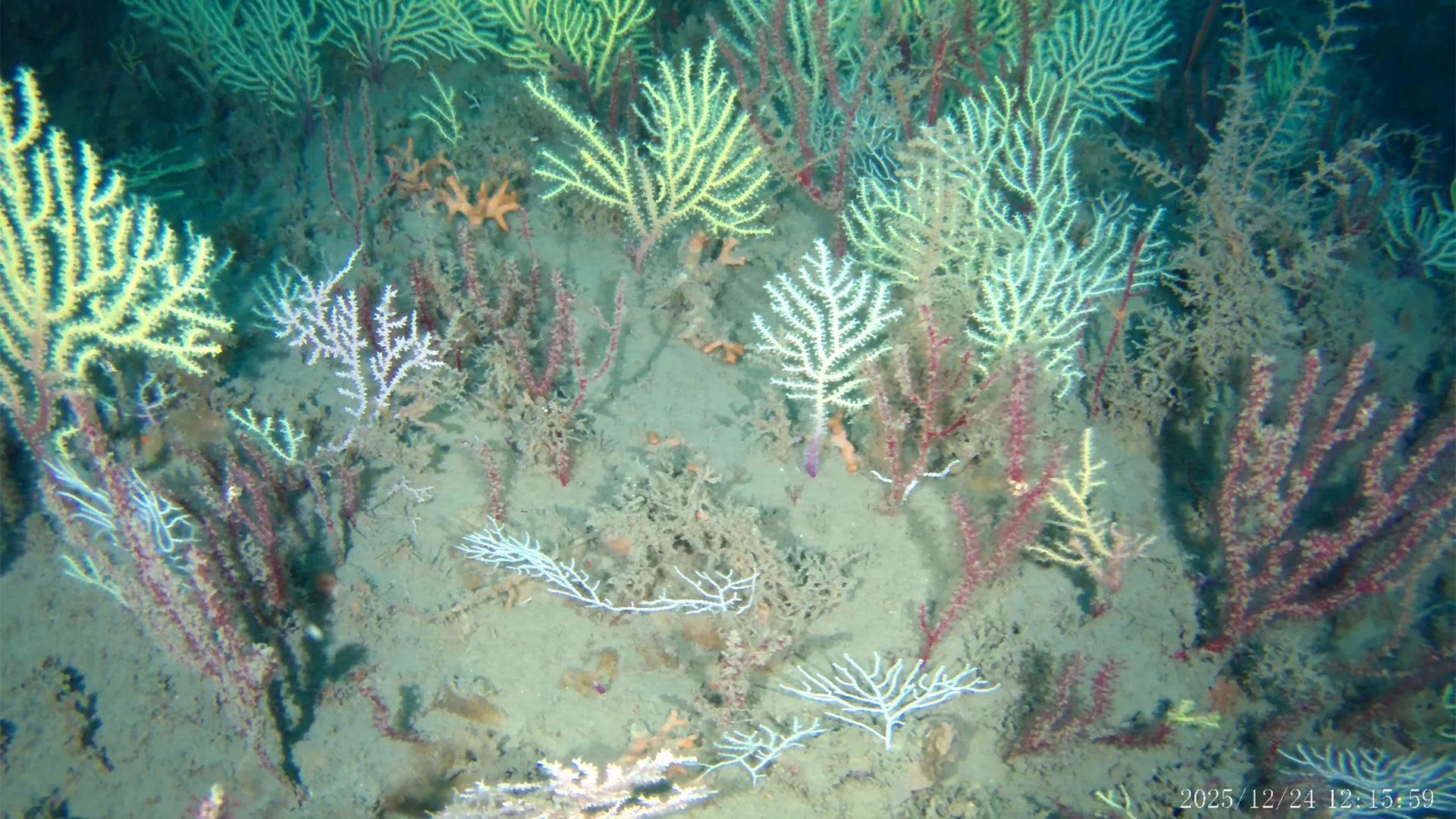
Underwater drone surveys confirm living mesophotic coral ecosystem — The team examined the most promising locations with an underwater drone and deep-sea cameras, observing eight different types of coral and eight fish species including golden African snappers, blackbar soldierfish, and Guinean angelfish. The reef consists of separate coral patches on rocky seabed rather than one solid structure.
-
background
Scientists rediscover reef using modern sonar and deep-sea cameras — More than 60 years later, researchers led by Gérard Zinzindohoué returned to the site armed with modern sonar and the Deep Sea Camera System provided by the National Geographic Exploration Technology Lab. They scanned 11.5 kilometers of seafloor and detected two areas with reef-like signals.