New Triassic species Dinodontosaurus isiyavamanda found in Tanzania reshapes dinosaur origins timeline
A University of Bristol-led team identifies a 240-million-year-old synapsid in Tanzania that links African and South American fossil beds and suggests earlier 'oldest dinosaur' claims are too old.
What to know
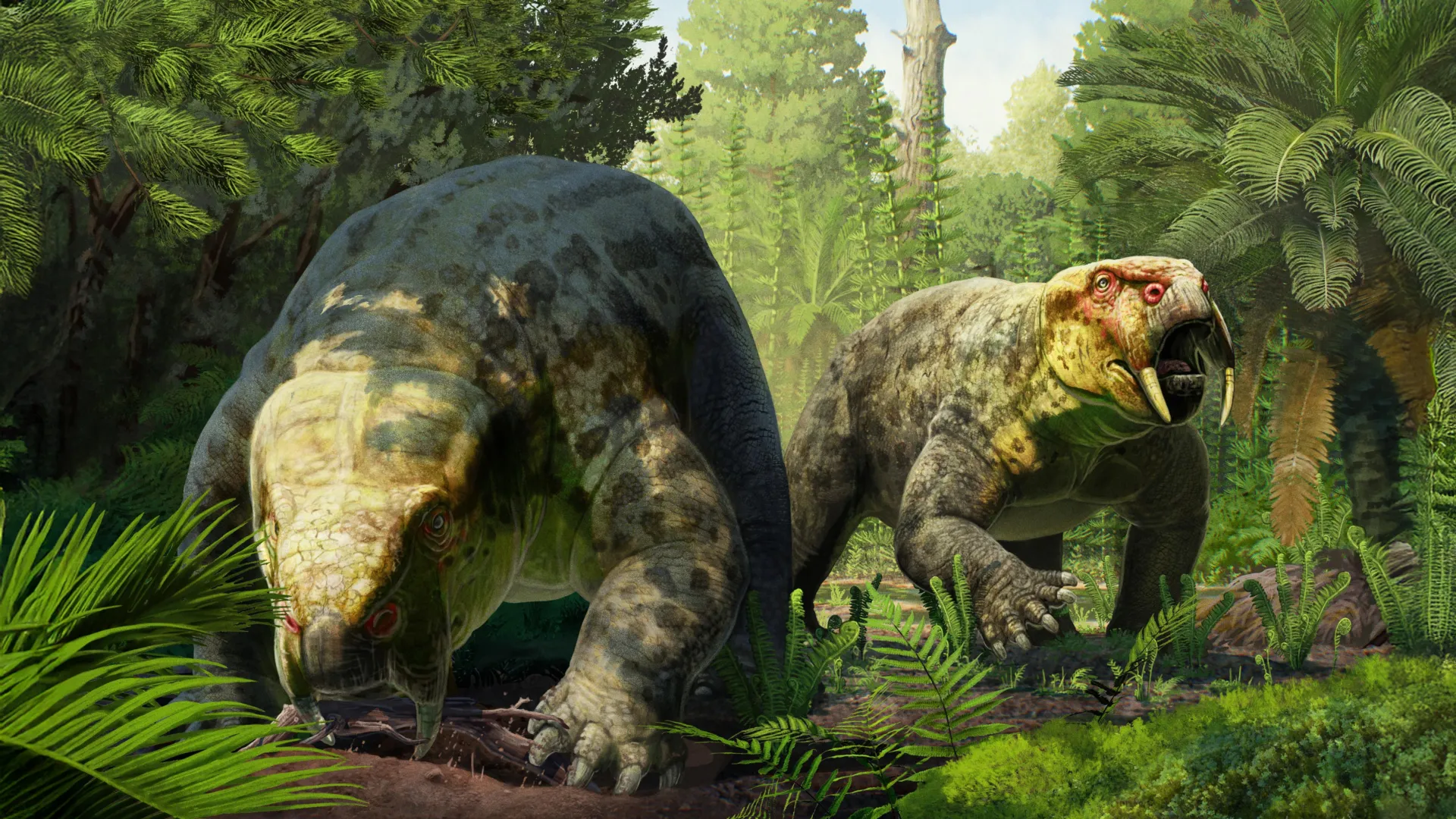
- A new Triassic synapsid, Dinodontosaurus isiyavamanda, was identified from decades-old Tanzanian fossils held at the Natural History Museum, London.
- It is the first confirmed record of the genus Dinodontosaurus outside South America, allowing direct correlation of Tanzanian and South American rock ages.
- Combined with radiometric dating showing South American beds are up to 10 million years younger than related South African rocks, the find implies Tanzania's supposed oldest dinosaur fossils are actually younger than previously claimed.
- The study, published September 15 in the Journal of Vertebrate Palaeontology, could prompt reconsideration of both the timing and geography of the earliest dinosaurs.
Hady George PhD student, University of Bristol; lead authorUniversity of Bristol Lead research institutionNatural History Museum, London Fossil repository
How it unfolded 2 developments, newest first · click a bar or a number to jump articlesposts
-
2
Science social media accounts pick up the Science Daily report
Accounts such as a Mastodon science-news poster reshared the Science Daily summary of the find, amplifying the framing that the fossil forces a rethink of the early dinosaur timeline.
-
1
Discovery links Tanzanian and South American fossil beds, undercutting oldest-dinosaur claims
Because Dinodontosaurus was previously known only from South America, its presence in Tanzania lets researchers correlate the two regions' rock sequences; combined with recent radiometric dating showing South American beds are up to 10 million years younger than South African ones, this suggests the Tanzanian deposits are not evidence for the earliest possible dinosaurs after all.
“Our discovery marks the first confirmed record of the genus Dinodontosaurus outside South America. The finding links the Tanzanian and South American fossil-bearing rocks, showing they are of equivalent age.”
— Hady George -
first by bbc.co.uk, 5d ago
-
first by Science Daily, 7d ago
-
-
background
Team names new species Dinodontosaurus isiyavamanda from Tanzania — An international team led by the University of Bristol described a new synapsid species from a 1963-collected skeleton and a more recently found fragmentary skull, publishing the findings in the Journal of Vertebrate Palaeontology.
Also covered reported alongside — the timeline has no entry for these yet
-
first by Moneycontrol.com, 8d ago · also Inshorts, Taylor & Francis Newsroom
3 more headlines
- New species of 240-mn-yr-old prehistoric animal from Tanzania discovered | The study was published in 'JVP' | Inshorts Inshorts · 8d ago
- New species of 240-million-year-old prehistoric animal from Tanzania discovered Taylor & Francis Newsroom · 8d ago
- New species of 240-million-year-old prehistoric animal could reshape dinosaur origins timeline Phys.org · 8d ago