Carbon Brief: Global emissions to fall 0.5% in 2026 as Hormuz crisis cuts oil demand
US-Iran conflict has upended energy markets, driving oil demand down 2.4% despite coal use rising.
What to know
- Global fossil-fuel emissions are projected to fall 0.5% in 2026 despite a 1.2% rise in coal demand, due to steep cuts in oil (2.4%) and gas (0.6%) demand caused by the Hormuz crisis.
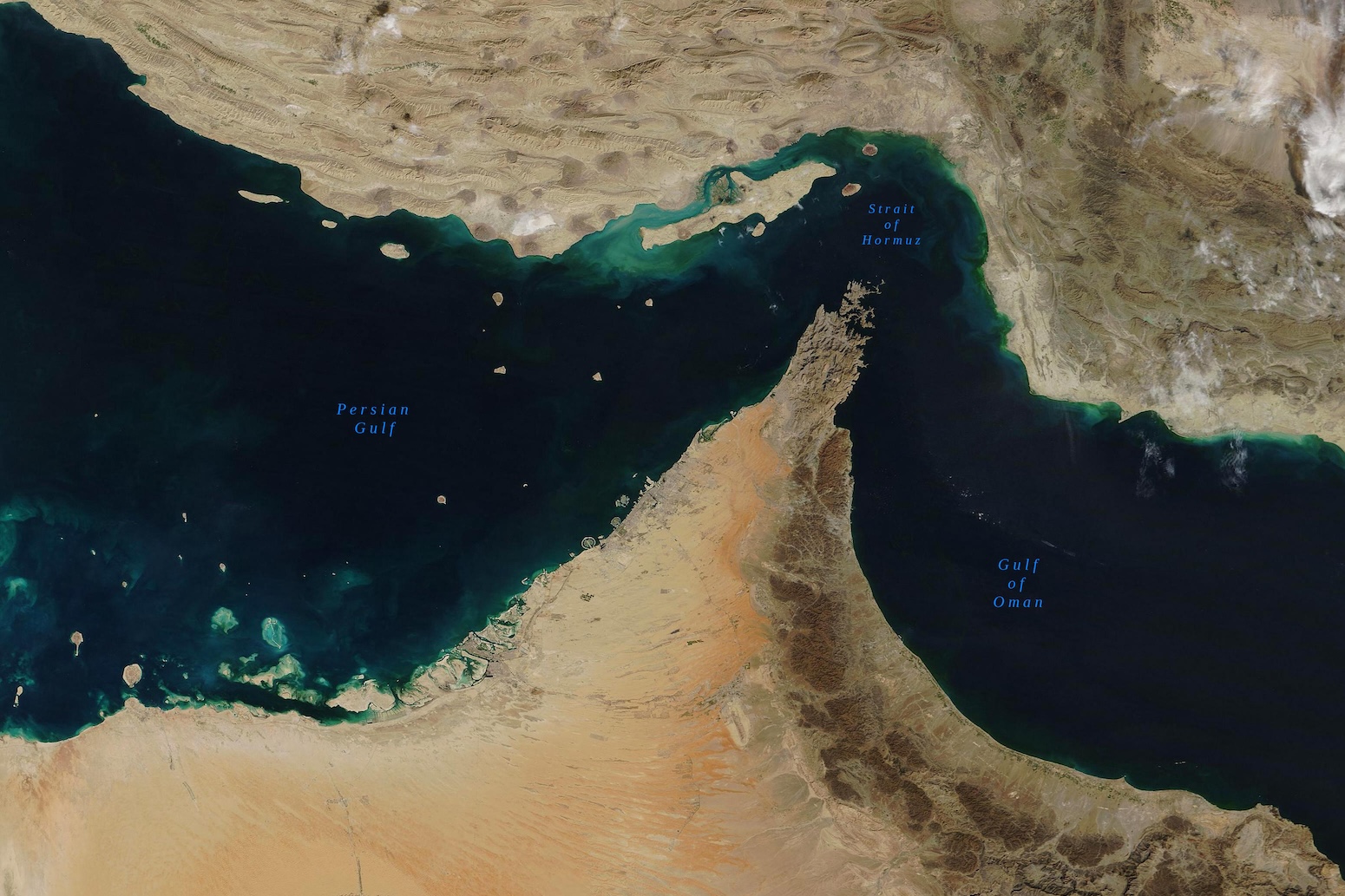
- The Hormuz strait disruption from the US-Iran conflict has driven oil and gas prices sharply higher throughout 2026, reversing earlier forecasts of energy demand growth.
- The IEA dramatically revised oil demand forecasts downward—from a projected 930,000 bpd increase in January to a 2.5 million bpd decrease by September—reflecting the crisis's escalating impact.
- While coal use is rising due to high gas prices forcing some fuel-switching, most countries lack the capacity to shift to coal at large scale, limiting this effect.
The emissions decline reflects demand destruction and reduced energy access, not genuine decarbonization progress.
-
“You can reduce GHG emissions in any one or combination of three ways: reduce the population, reduce per person energy access and/or reduce fossil intensity per unit of useful energy. The Trump admin may already be succeeding on the 2nd…”
SeanCasten@mastodon.social · Mastodon ↗
“The US-Iran war has severely disrupted trade through the strait of Hormuz, causing a spike in oil and gas prices that continues to ripple around the global economy.”
Carbon Brief · Carbon Brief ↗
Carbon Brief Climate analysis outletInternational Energy Agency Energy forecasting organizationMorgan Stanley Financial research firm
How it unfolded 1 development · click the chart to see its coverage articlesposts
-
1
“Global fossil-fuel emissions are set to fall by around 0.5% in 2026 amid the fallout from the Hormuz crisis…”
— Carbon Brief -
2 outlets first by Mastodon, 7d ago · also Carbon Brief · read ↗
-
 S
S
You can reduce GHG emissions in any one or combination of three ways: reduce the population, reduce per person energy access and/or reduce fossil intensity per unit of useful energy. The Trump admin may already be succeeding on the 2nd front. https://www. carbonbrief.org/analysis-globa l-fossil-fuel-emissions-set-to-fall-in-2026-amid-hormuz-crisis
1 more of the top 2 · 2 posts in this stretch
-
Enormous drop in oil demand this year due to Trump's war in Iran. He may have accidentally accelerated the green transition (with, of course, a very heavy and deadly cost in how it's happened)
-
-
background
Morgan Stanley consensus forecast shows 2.4 million bpd oil demand drop — A Morgan Stanley research note found a consensus forecast of a 2,415,000 bpd drop in global oil demand for 2026, reflecting the severity of the Hormuz crisis impact.
-
background
IEA revises gas forecast downward amid Hormuz disruption — The IEA's July forecast shifted from a projected 2.0% rise in gas demand to a 0.6% decline for 2026, as the Hormuz crisis began affecting global energy markets.
-
background
IEA forecasts 930,000 bpd rise in oil demand for 2026 — The International Energy Agency's January 2026 oil market report projected a rise in global oil demand of 930,000 barrels per day in 2026.