JWST captures star-forming region IC 348 in search for brown dwarfs
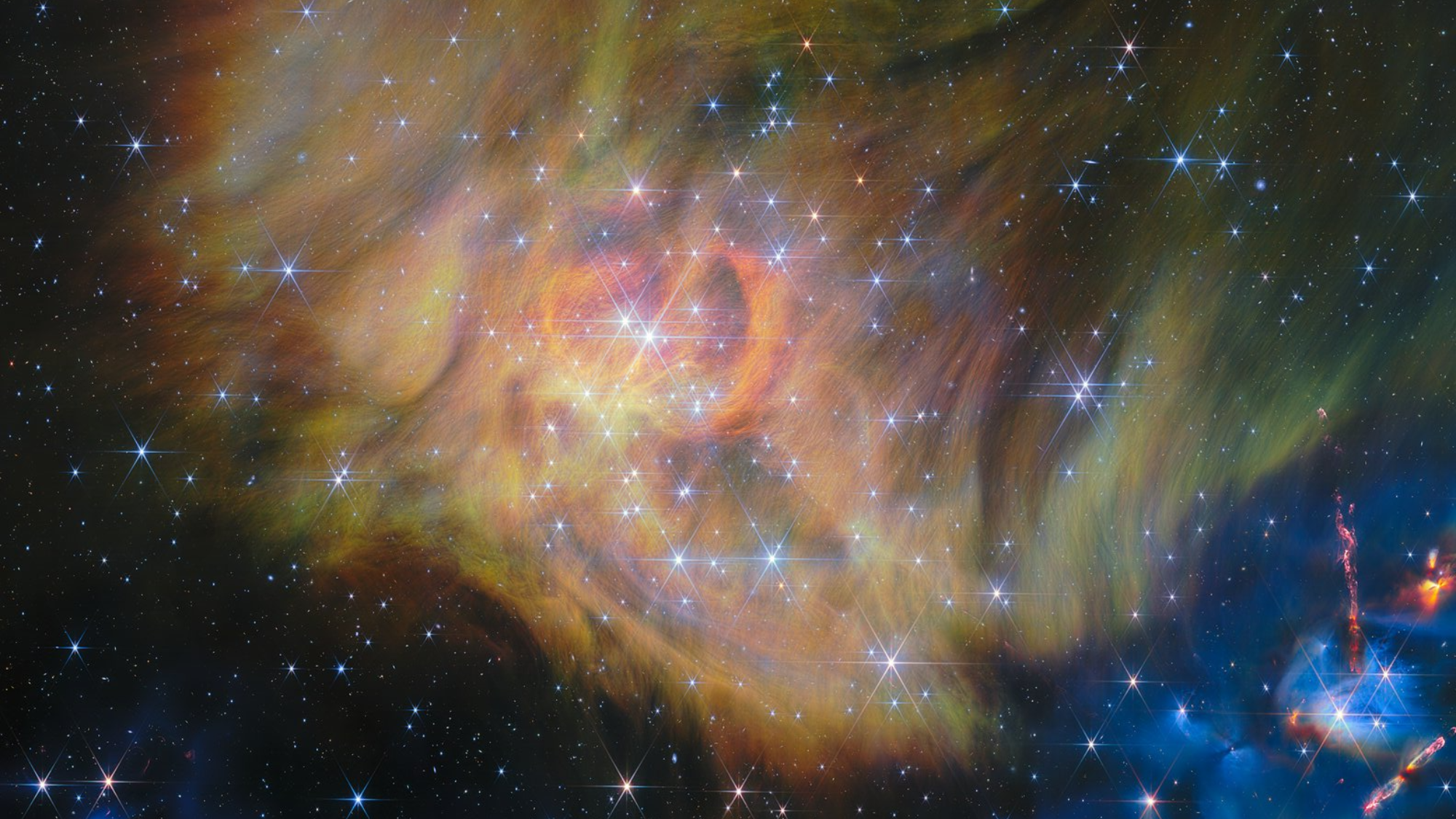
NASA's James Webb Space Telescope has imaged a cosmic cloud 1,000 light-years away to locate and study the smallest brown dwarfs.
What to know
- The JWST released a new image of IC 348, a star-forming region 1,000 light-years away, as part of a program to locate and study brown dwarfs.
- Brown dwarfs are objects that form like stars but are too small to initiate hydrogen fusion, sitting between the mass of planets and stars.
- Researchers hope to discover even smaller brown dwarfs than the Jupiter-sized objects found in IC 348 in 2022 to understand how these mysterious objects form and vary.
“Brown dwarfs are one of the great mysteries of our universe. Not as massive as the least massive stars, but more massive than the biggest planets, brown dwarfs are strange objects stuck in the middle.”
Chelsea Gohd, Senior Writer, Space.com · Space.com ↗
James Webb Space Telescope Space observatoryNASA Space agency
How it unfolded 1 development · click the chart to see its coverage articlesposts
-
1
JWST captures new image of IC 348 for brown dwarf study
The James Webb Space Telescope released a new image of the star-forming region IC 348, showing glowing wisps of gas and dust with numerous twinkling stars. The image is part of an observing program aimed at finding and studying the smallest brown dwarfs to better understand their formation and distribution across space.
“An ethereal and magnificent display of gas and dust stretches across the cosmos in a spectacular new image captured by NASA's James Webb Space Telescope.”
— Chelsea Gohd -
first by Space, 7d ago
1 more headline
-
-
background
Researchers discover brown dwarfs in IC 348 — Scientists examining the star-forming region IC 348 identified brown dwarfs just a few times more massive than Jupiter, marking some of the smallest objects of their kind found in the region.