Astronomers confirm planet less than 1 million years old as youngest known world
Elias 2-24 b, still embedded in its natal dust disk, upends existing models of how planets form.
What to know
- Elias 2-24 b, at less than 1 million years old, breaks the previous record by at least five-fold—planets around PDS 70 and WISPIT 2 held the old record at 5+ million years.
- The discovery reveals current planet-formation models cannot explain how planets this young form so rapidly, indicating missing physical processes.
- Detection was only possible using coronagraph technology to block starlight; most known exoplanets are billions of years old and close to their stars because transit methods miss young, dusty, distant worlds.
“The galaxy churns out new stars and planets continuously, so there are many in every stage of evolution. That means we can see the entire process in theory, but there is a large gap in what most telescopes can detect. We are mostly blind to these baby planets right now.”
Lucas Cieza, Co-author, Instituto de Estudios Astrofísicos · NASA ↗
Andrea Bernardi Lead researcher, doctoral candidateLucas Cieza Co-author, Instituto de Estudios Astrofísicos
How it unfolded 1 development · click the chart to see its coverage articles
-
1
Discovery challenges existing planet-formation models
Lucas Cieza, co-author and professor at Instituto de Estudios Astrofísicos in Chile, notes that the previous youngest planets—five-million-year-old worlds around PDS 70 and WISPIT 2—already pushed the limits of current models. Elias 2-24 b indicates those models are missing important processes.
“Elias 2-24 b shows us that even our best planet-formation models are still missing some important processes.”
— Lucas Cieza -
first by srpske.rs, 7d ago · also Science Daily, GK Today, NDTV, Gizmodo, Awaz The Voice, ANI News +2
8 more headlines
- Astronomers just found the youngest known planet ever sciencedaily.com · 6d ago
- Astronomers Discover Youngest Known Planet Elias 2-24 b GK Today · 6d ago
- Astronomers Discover Elias 2-24b, the Youngest Known Planet | Ukraine news - #Mezha Межа. Новини України. · 6d ago
- Astronomers Spot Youngest Known Planet, Still Whirling In Dust And Gas NDTV · 5d ago
- Astronomers Just Found the Youngest Planet Ever Seen. It Shouldn’t Be So Huge Gizmodo · 4d ago
- Astronomers discover youngest known planet ever: Study Awaz The Voice · 3d ago
- Astronomers Have Spotted the Youngest Planet Yet Sky & Telescope · 23h ago
- Astronomers just spotted an “Impossible” planet: Elias 2-24 b is the youngest known planet, and its Jupite The Economic Times · 20h ago
-
D
Jüngster bekannter Baby-Planet gerade mal eine Million Jahre alt! science.
2 more of the top 3 · 4 posts in this stretch
-
 F
F
Astronomers confirm the youngest known planet: Elias 2-24 b is less than a million years old and still forming https://www. sciencedaily.com/releases/2026 /09/260917003712.htm Elias 2-24 b has been confirmed as the youngest known planet in existence, at less than one million years old, giving scientists a rare opportunity to observe planetary…
-
A
Astronomers have found the youngest planet ever discovered It's less than a million years old, called Elias 2-24 b
-
-
background
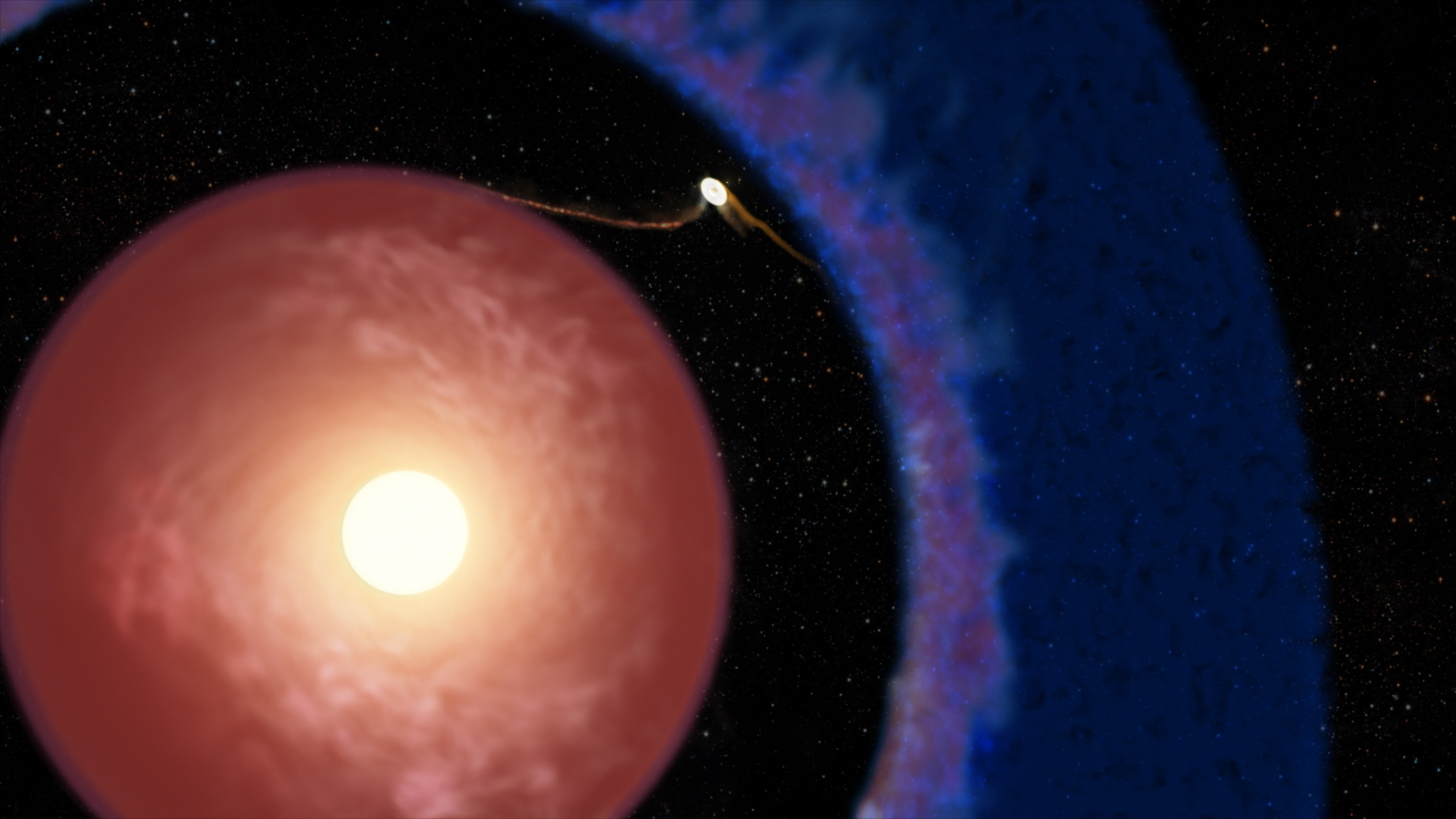
Astronomers confirm Elias 2-24 b as youngest known planet — A study led by Andrea Bernardi and published in The Astrophysical Journal Letters announces the discovery of Elias 2-24 b, a Jupiter-mass planet less than a million years old orbiting a star 450 light-years from Earth. The planet was found embedded in its natal dust disk using archival coronagraph observations from the W. M. Keck Observatory in Hawaii.
Also covered reported alongside — the timeline has no entry for these yet
-
first by mashable.com, 6d ago · also Notebookcheck, EarthSky, Universe Today
4 more headlines
- The youngest exoplanet ever detected has been discovered by astronomers Notebookcheck · 1d ago
- Baby exoplanet: Astronomers find the youngest world yet EarthSky · 20h ago
- Astronomers Directly Image the Youngest Exoplanet Ever Universe Today · 20h ago
- Astronomers Confirm Youngest Exoplanet Ever Found Sci.News · 20h ago
-
4 outlets Youngest Baby Planet Ever Discovered
first by Mirage News, 7d ago · also IFLScience, Tech Explorist, Live Science
4 more headlines
- Planet Less Than A Million Years Old Finally Breaks 4-Way Tie To Become Youngest Known World IFLScience · 7d ago
- Astronomers confirm the youngest planet ever found; Less than 1 million years old Tech Explorist · 7d ago
- This million-year-old 'baby planet' is the youngest world scientists have ever discovered Live Science · 6d ago
- Astronomers discover a baby planet less than 1 million years old thebrighterside.news · 4d ago
-
first by Moneycontrol.com, 6d ago · also Futura, le média qui explore le monde
1 more headline
- Is Elias 2-24 b the youngest planet ever imaged? A newborn giant challenges astronomy Futura, le média qui explore le monde · 1d ago
-
first by W. M. Keck Observatory, 7d ago · also Big Island Now
1 more headline
- Youngest planet outside our solar system discovered hiding in Keck Observatory data Big Island Now · 7d ago
-
first by NASA Science (.gov), 7d ago · also NASA
-
first by Space, 7d ago
1 more headline
- Scientists find youngest exoplanet on record — a 'newborn' named Elias Space.com · 7d ago
and 2 smaller pieces
What people are saying 1 voices from 1 site · best of 4 · verbatim
- Sep 17
-
That's one big baby. View article View summary #^ Scientists find youngest exoplanet on record — a 'newborn' named Elias Astronomers have discovered the youngest exoplanet on record, and they spotted the "newborn" world hiding in old data archives. About as massive as Jupiter , the newly-discovered exoplanet Elias 2-24 b is one big baby — despite…