Dutch polder rice farming cuts CO2, aids biodiversity
Researchers and farmers in the Netherlands are growing rice in wetlands to reduce emissions, prevent subsidence, and restore wildlife habitat.
What to know
- Dutch peat wetlands emit 4.25 million tons of CO2 annually when they dry out—equivalent to 3 million cars. Flooding them for rice cultivation stops these emissions while preventing soil subsidence.
- Rice farming in polders improves biodiversity and provides economic viability for farmers, addressing the need for profitable land use alongside environmental restoration.
- Initial skepticism about methane emissions from flooded rice fields has been partially addressed; rice produces less methane than cattle farming on the same land.
Polder rice is a promising solution that combines climate mitigation, soil preservation, and food production while boosting biodiversity.
-
“Zo leuk dat mijn opmerkingen op Bluesky door de @volkskrant.nl worden opgepakt 😉 om Nederland te voeden én de natuur weer een kans te geven moeten we het vee drastisch reduceren en dit soort initiatieven verveelvoudigen”
smitsky.nl · Bluesky ↗
Sander Roeleveld Polder rice farmer and test plot operatorJulian Helfenstein Soil geography lecturer, Wageningen UniversityMaarten Schrama Community ecology lecturer, Leiden UniversityLand van Ons Citizen cooperative operating the Polderlab
How it unfolded 1 development · click the chart to see its coverage posts
-
1
Volkskrant covers polder rice environmental benefits
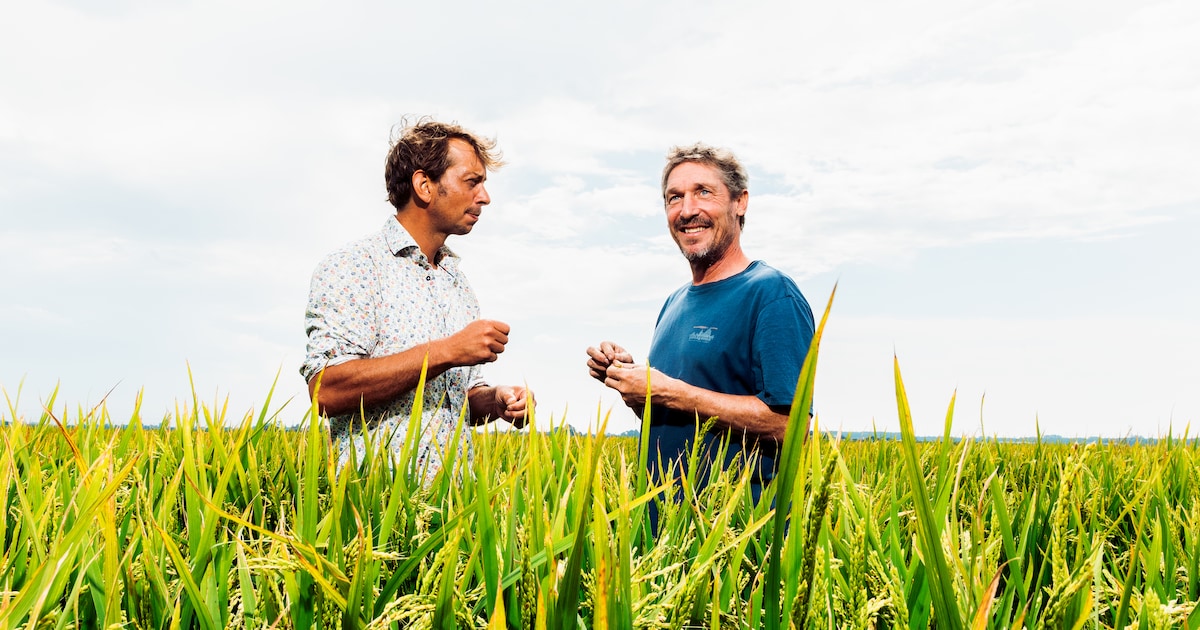
The Volkskrant publishes a feature on polder rice farming, highlighting that flooded peat fields eliminate CO2 emissions (peat wetlands emit 4.25 million tons annually), prevent soil subsidence, and support biodiversity. The article addresses skepticism from ecologist Maarten Schrama about methane emissions and monoculture concerns, noting that rice produces less methane than cattle.
“Als je die velden onder water zet, stop je het proces van uitstoot. En het gaat bodemdaling tegen.”
— Julian Helfenstein -
S
Zo leuk dat mijn opmerkingen op Bluesky door de @volkskrant.nl worden opgepakt 😉 om Nederland te voeden én de natuur weer een kans te geven moeten we het vee drastisch reduceren en dit soort initiatieven verveelvoudigen
1 more of the top 2 · 2 posts in this stretch
-
 V
V
Zij werken aan de landbouw van de toekomst: polderrijst – dat enorm gunstig blijkt voor de biodiversiteit https://www. volkskrant.nl/wetenschap/zij-w erken-aan-de-landbouw-van-de-toekomst-polderrijst-dat-enorm-gunstig-blijkt-voor-de-biodiversiteit~bba018bb/
-
-
background
Roeleveld begins polder rice trials near Oud Ade — Farmer Sander Roeleveld starts growing rice in test plots near Leiden in partnership with the Polderlab citizen cooperative. About 30 small test plots and one large 0.6-hectare field are established to determine which rice varieties grow best in Dutch conditions and generate their first full harvest.
-
background
Helfenstein proposes rice cultivation in Dutch polders — Julian Helfenstein, a soil geography lecturer at Wageningen University who had worked with Alpine rice farmers in Switzerland, suggests that rice could be grown in Dutch peat wetlands. He sees an opportunity to simultaneously address CO2 emissions from drying peatlands, prevent soil subsidence, and provide farmers with viable crop income.