Ctenophores emerge as key to understanding early animal evolution
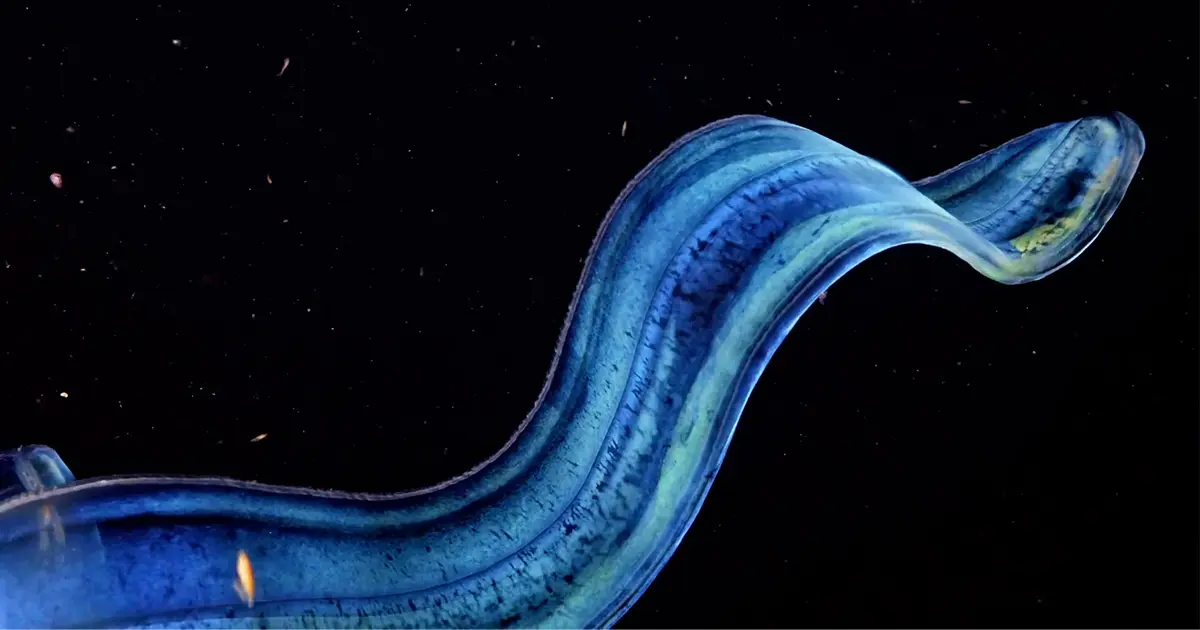
Marine biologists study comb jellies to answer fundamental questions about how nervous systems and bioluminescence evolved.
What to know
- Ctenophores, not sponges, are now recognized as the earliest branching animal lineage after a 2023 landmark study analyzing chromosome organization.
- Despite being simpler organisms, ctenophores possess muscles and a simple nervous system—more complex than sponges—challenging assumptions about early animal evolution.
- Marine biologists are using ctenophores to unlock fundamental questions about nervous system origins, bioluminescence, and adaptation to extreme deep-sea environments.
“It's really important to study organisms that might seem strange or weird because they can tell us a lot about the physical, chemical, and biological principles of life, which can then be applied to ourselves.”
Itay Budin, Biophysicist · Quanta Magazine ↗
Steven Haddock Marine biologist at Monterey Bay Aquarium Research InstitutePawel Burkhardt Evolutionary biologist at University of BergenItay Budin Biophysicist at University of California, San Diego
How it unfolded 1 development · click the chart to see its coverage articlesposts
-
1
Quanta Magazine features ctenophore research as biological frontier
An article highlights how ctenophores are helping answer long-standing questions about nervous system evolution and bioluminescence origins over the past decade.
“Over the past decade, ctenophores have helped answer long-standing questions about fundamental biology, from how early nervous systems evolved to the origins of the mesmerizing phenomenon of bioluminescence.”
— Quanta Magazine · source -
 H
H
Ctenophores: Wonders of Biology L: https://www. quantamagazine.org/ctenophores -arent-just-beautiful-theyre-biological-wonders-20260916/ C: https:// news.ycombinator.com/item?id=4 9735541 posted on 2026.09.16 at 21:58:25 (c=1, p=3)
-
-
background
Landmark study identifies ctenophores as earliest branching animal lineage — A chromosome organization analysis determined that ctenophores, not sponges, are the sister group to all other animals, overturning a century-old scientific consensus. The finding came after years of debate between research labs.
Also covered reported alongside — the timeline has no entry for these yet
-
first by Quanta Magazine, 7d ago · also Quanta