CMU researcher finds Pittsburgh steel-site bacteria evolved to eat industrial pollutants
Decades of contamination at Hazelwood Green, a former Pittsburgh steel mill, appear to have selected for bacteria that can tolerate or break down toxic BTEX compounds.
What to know
- Hazelwood Green, a 178-acre former Jones & Laughlin Steel Co. site in Pittsburgh, was contaminated with BTEX compounds (benzene, toluene, ethylbenzene, xylene) and heavy metals.
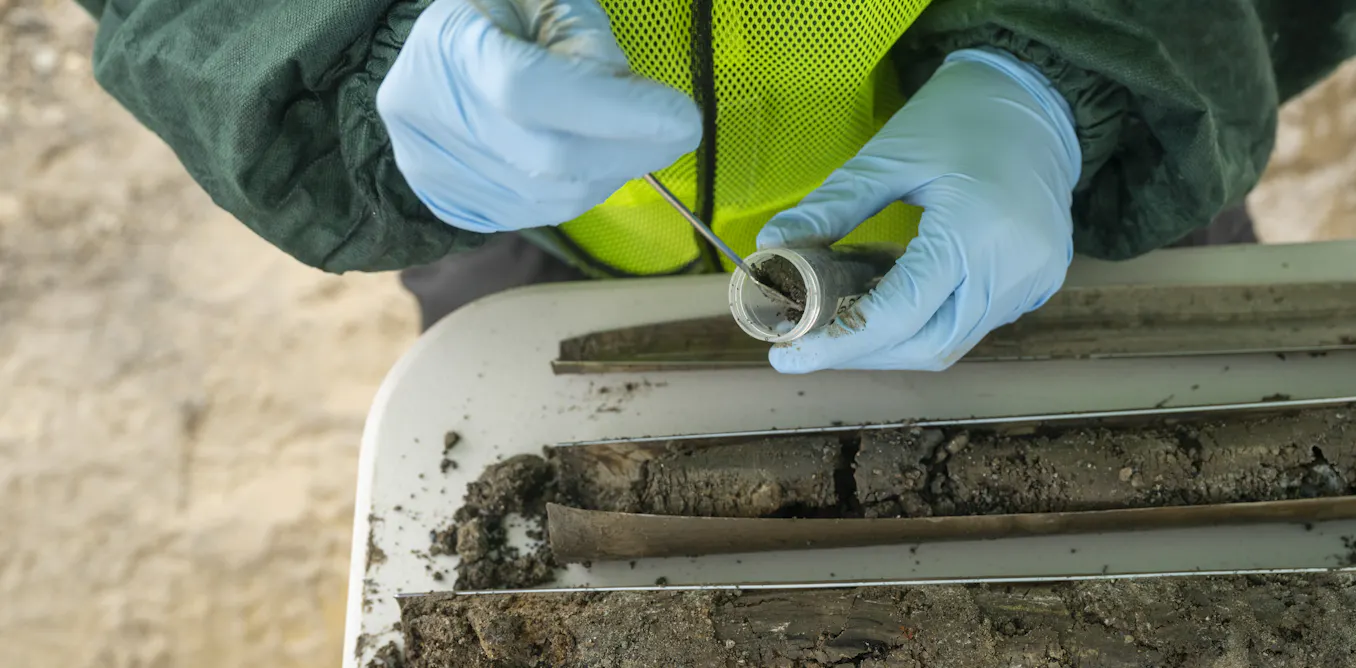
- A Carnegie Mellon lab is sampling soil cores from areas with varying contamination history to study how bacterial communities evolved in response, including gene-sharing that spread pollutant-tolerance traits.
- Researchers hope the evolved microbes could eventually aid remediation efforts at other brownfield sites across Appalachia and the Rust Belt.
- The findings come from a first-person research account by the study's lead scientist, republished across several outlets with no independent commentary or public debate yet recorded.
“Bacteria that can survive it — or even break it down — grow more common. And they can pass that ability to other bacteria, not just to their own offspring, by sharing genes directly.”
Catherine Armbruster, Assistant Professor of Biological Sciences, Carnegie Mellon University · The Conversation US ↗ · Sep 16
Catherine Armbruster Assistant Professor of Biological Sciences, Carnegie Mellon University
How it unfolded 3 developments, newest first · click a bar or a number to jump articlesposts
-
3
Phys.org republishes the Hazelwood Green bacteria research
Phys.org republishes the article, extending the reach of the findings on brownfield bacteria evolution beyond The Conversation's original readership.
-
 A
A
Bacteria are true survivors - https:// theconversation.com/at-an-old- steel-site-in-pittsburgh-bacteria-evolved-to-survive-and-eat-industrial-pollution-289264 - Via @ ConversationUS
-
-
2
The Conversation amplifies findings on cleanup potential of the bacteria
The Conversation's social account promotes the research, framing the evolved bacteria as potential tools for remediating contaminated sites across the Rust Belt.
“Decades of industrial pollution changed the bacteria living at a former Pittsburgh steel mill. Some evolved to break down toxic chemicals as food! Now scientists are studying whether those microbes could help clean up contaminated sites across the Rust Belt.”
— TheConversationUS@newsie.social -
 T
T
Decades of industrial pollution changed the bacteria living at a former Pittsburgh steel mill. Some evolved to break down toxic chemicals as food! Now scientists are studying whether those microbes could help clean up contaminated sites across the Rust Belt. https:// theconversation.com/at-an-old-…
-
- 1 day quiet
-
1
CMU microbiologist details pollution-adapted bacteria at Hazelwood Green
Catherine Armbruster, an assistant professor of biological sciences at Carnegie Mellon University, publishes an account describing how decades of industrial contamination at the Hazelwood Green brownfield selected for bacteria able to tolerate or consume BTEX pollutants (benzene, toluene, ethylbenzene, xylene), and explains her lab's ongoing effort to collect soil cores from the site to study these microbial communities.
“At Hazelwood Green, decades of industrial pollution accidentally ran a giant evolution experiment for us.”
— Catherine Armbruster
Also covered reported alongside — the timeline has no entry for these yet
-
2 outlets At an old steel site in Pittsburgh, bacteria evolved to survive – and eat – industrial pollution
first by Mastodon, 3d ago · also The Conversation US