Study traces Seychelles plastic pollution to local fishing vessels, not distant shores
Research using satellite data finds most debris washing up on island beaches comes from vessels operating in Seychelles waters, challenging earlier assumptions.
What to know
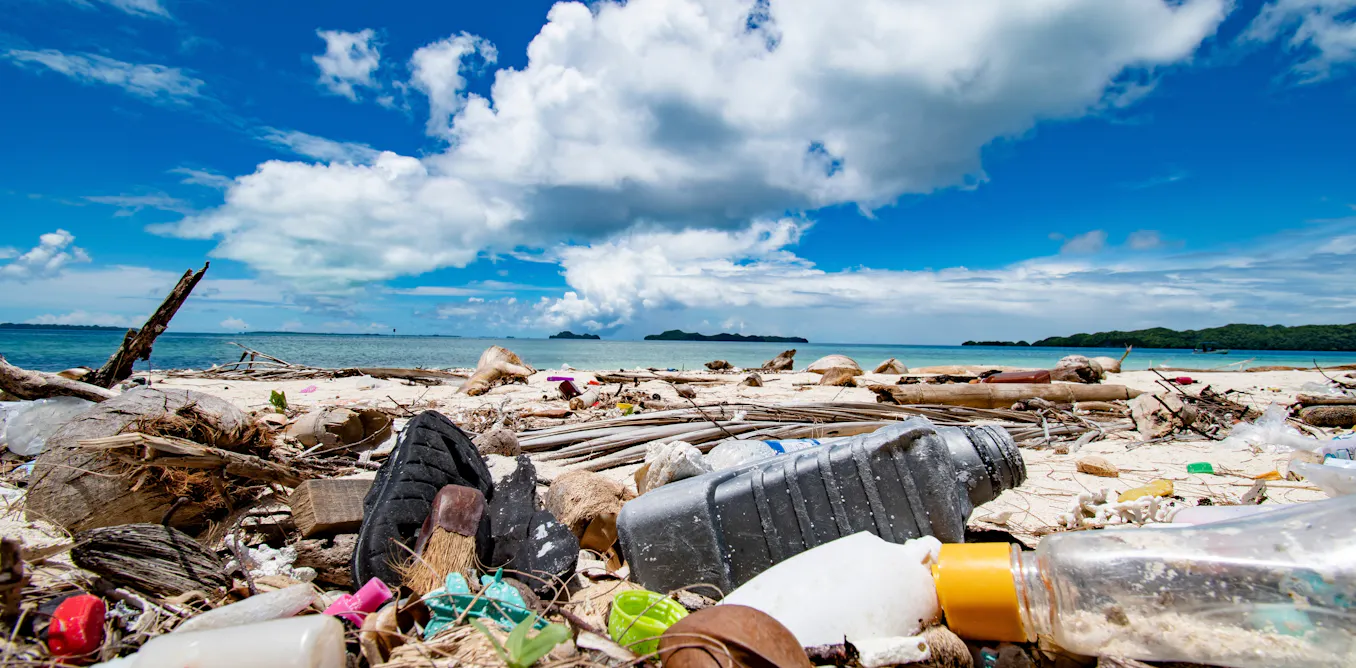
- Most plastic and fishing gear accumulating on Seychelles beaches originates from vessels operating in the archipelago's own exclusive economic zone, not from distant sources as previously thought.
- EU fishing vessels, particularly Spanish-owned boats operating under a renewed 2026–30 agreement, are identified as significant contributors to the pollution.
- The environmental damage threatens Seychelles' tourism and fishing economies; cleanup of just Aldabra Atoll alone would cost $4.68 million and require 18,000 labour hours.
“Vast quantities of plastic and fishing gear are washing up along the shores of the Seychelles, destroying fragile ecosystems and causing significant economic problems.”
Study researchers, Marine pollution investigators · Phys.org ↗
Study researchers Marine pollution investigatorsSeychelles Island nation affected by marine pollutionEU fishing industry Operator of commercial fishing vessels in Seychelles waters
How it unfolded 2 developments, newest first · click a bar or a number to jump articlesposts
-
2
Aldabra Atoll holds over 500 tonnes of plastic; cleanup would cost $4.68 million
The UNESCO world heritage site has accumulated more than 500 tonnes of plastic on its shores, with removal estimated to require 18,000 hours of labour and approximately $4.68 million in costs.
“We found that most pollution probably comes from vessels in or near the Seychelles' own waters. This challenges the assumption from previous work that island plastic mainly drifts in from distant shores.”
— Study researchers, Marine pollution investigators · source -
 H
H
"We found that most pollution probably comes from vessels in or near the Seychelles’ own waters. This challenges the assumption from previous work that island plastic mainly drifts in from distant shores. We know fishing vessels lose nets and gear, and shipping vessels illegally discard plastic and other items." Tons of fishing gear and plastic…
1 more of the top 2 · 2 posts in this stretch
-
 T
T
Satellite tracking data was used to look at which ships and boats were active in the Seychelles waters. https:// theconversation.com/tons-of-fi shing-gear-and-plastic-are-washing-up-on-seychelles-beaches-we-tracked-where-it-was-coming-from-287138
-
-
1
Study identifies EU vessels, especially Spanish-owned boats, as major pollution contributors
The research found that 76% of drifting fish aggregating devices in Seychelles' exclusive economic zone were from Spanish-owned vessels, indicating EU fishing fleets are responsible for significant portions of the plastic and fishing gear debris.
-
background
Study finds most Seychelles plastic pollution originates from local fishing vessels — Research using satellite data and computer simulations of pollution drift found that most fishing gear and plastic washing up on Seychelles beaches comes from vessels operating within the archipelago's exclusive economic zone, challenging the previous assumption that island plastic mainly drifts in from distant shores.
Also covered reported alongside — the timeline has no entry for these yet
-
first by Phys.org, 6d ago · also The Conversation
and 1 smaller piece