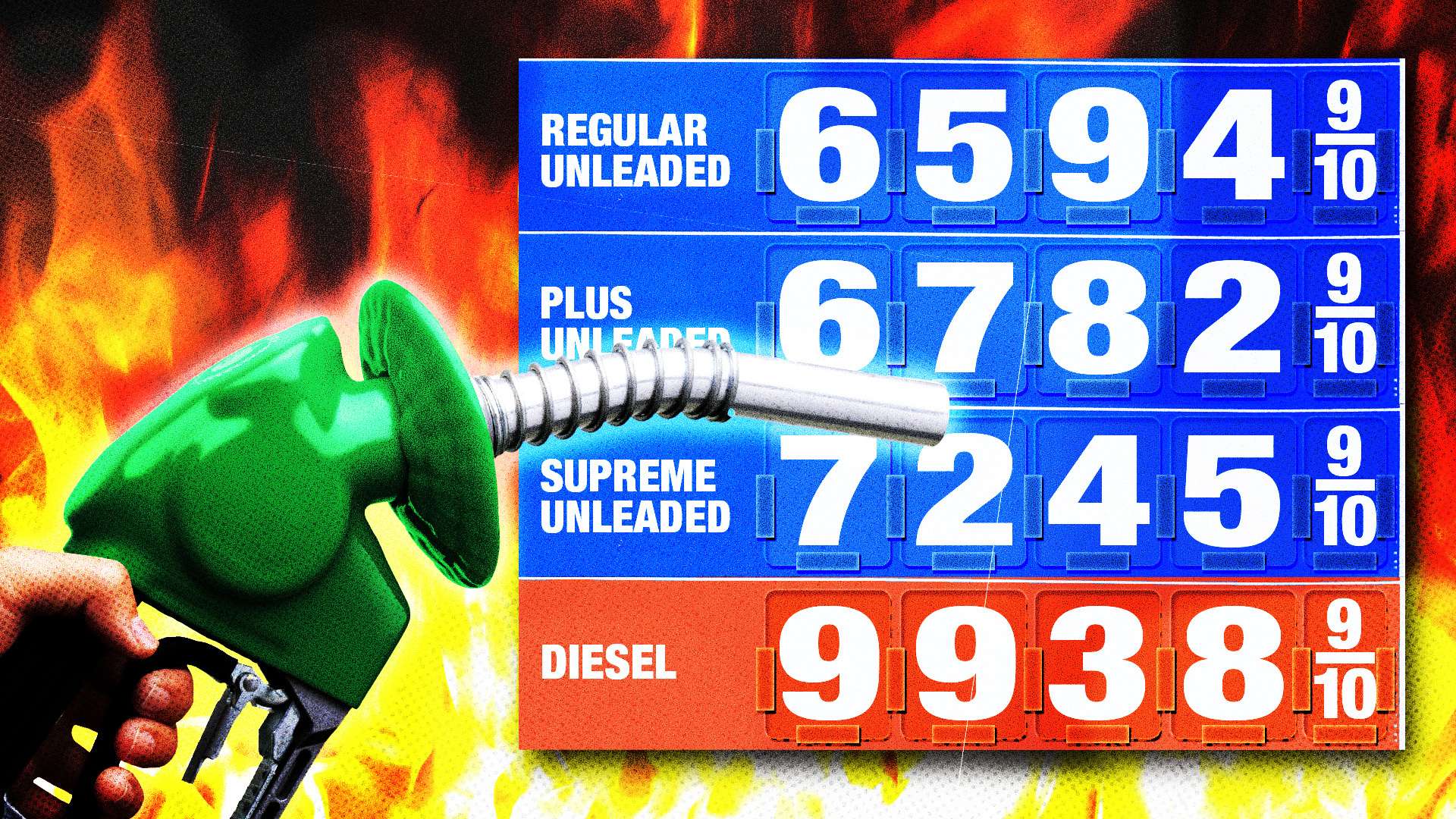
Grassley, Hinson call for diesel export ban as prices hit record highs
Republican senators propose embargo to ease fuel costs, but economists warn it would backfire.
What to know
- Diesel prices are at record nominal highs; Republican senators Grassley and Hinson are pushing Trump to ban exports to lower domestic costs.
- Export ban would backfire: U.S. refineries produce 5M+ barrels daily but consume only 3.6M; with no export outlet and limited storage, they would cut production, raising prices.
- Global market effects would amplify damage—removing U.S. supplies raises wholesale prices worldwide, rebounding especially to East Coast and West Coast importers.
- Trump administration signaled awareness of retaliation risks; White House has not yet acted on the proposal despite midterm-year pressure.
“controls on exports would be chilling, sending an unmistakable signal to the market”
Patrick De Haan, Petroleum analyst · Reason ↗ · Sep 21
 Chuck Grassley Senator (R–Iowa)
 Ashley Hinson Representative (R–Iowa)
 Donald Trump President
 Doug Burgum Interior SecretaryGarrett Golding Energy analyst, Dallas Federal Reserve
How it unfolded 3 developments, newest first · click a bar or a number to jump articlespostscomments
-
3
Export ban framed as short-term political solution with long-term market damage
Analysts note that export controls would send a chilling signal to markets and could prompt other countries to implement their own bans, creating long-term supply chain turbulence. White House has not yet acted on the proposal.
“Diesel is a global commodity, and restricting American exports won't insulate us from global market dynamics.”
— Jason Isaac, American Energy Institute -
The devil is in the details, and Trump is an idiot. When he says Ban it could mean a cap. As in the national market is served at a mandated volume and rate where any production surplus is then sold on the international market. Such a system would indeed lower national rates even in the face of sky-high international rates. It would of course piss…
1 more of the top 2 · 2 posts in this stretch
-
Diesel in storage is really low right now, refineries would produce a surplus for a few days until storage is back to normal though there's still the problem of how to get millions of barrels of diesel from Texas to California or Michigan or New York outside of the normal flow of products.
-
-
2
Trump administration warns of retaliation risk from export restrictions
Interior Secretary Doug Burgum tells reporters that restrictions on exports could invite retaliation from other countries, exacerbating the problem.
“High diesel prices ARE KILLING FARMERS INCOME…”
— Sen. Chuck Grassley, Senator (R–Iowa) · source -
background
Global market effects would amplify domestic impact, analysts warn — Garrett Golding of the Dallas Federal Reserve notes that removing American supplies from global markets would raise wholesale prices globally, with effects rebounding especially to the East Coast and West Coast which rely on imports. Researchers cite a 2022 study concluding similar export bans would be 'not only ineffective, but also counterproductive.'
-
background
Economists warn export ban would worsen prices, not lower them — Industry analysts and Federal Reserve researchers explain that banning diesel exports would force refineries to cut production due to lack of storage, reducing supply and raising prices. American refineries produce 5+ million barrels daily but consume only 3.6 million; the excess with nowhere to go would trigger cutbacks.
-
background
Hinson and other Republicans follow Grassley's lead on export ban — Rep. Ashley Hinson (R–Iowa) and others join Grassley in calling for a diesel export embargo.
-
1
Grassley calls for Trump diesel export embargo
Sen. Chuck Grassley (R–Iowa) posts on X calling on President Trump to embargo diesel exports, citing impact on farmer income from high prices.
-
first by AAF, 11h ago
-
-
background
Diesel prices reach record nominal levels amid supply concerns — Diesel fuel hits its highest nominal price ever, driven by tight supplies and strong demand for transport of goods.