conv.

All stories
ScienceQuiet 5d · day 6

JWST study links 'Little Red Dots' to faint host galaxies

Astronomers analyzing 217 Little Red Dot objects find surrounding starlight suggesting they sit inside dense, star-forming galaxies.

What to know

  • Little Red Dots are compact objects seen only in the early universe, vanishing before the cosmos reaches about 2 billion years old, and their nature remains unexplained.
  • New analysis of 217 LRDs detected faint light around them, suggesting they reside in dense, star-forming host galaxies rather than being studied only via their bright, poorly understood central cores.
  • Open questions remain: whether the LRD phase is tied to specific galaxy or dark matter properties, what environments host them, and what they evolve into.

Jorge Zavala Astronomer, University of Massachusetts Amherst
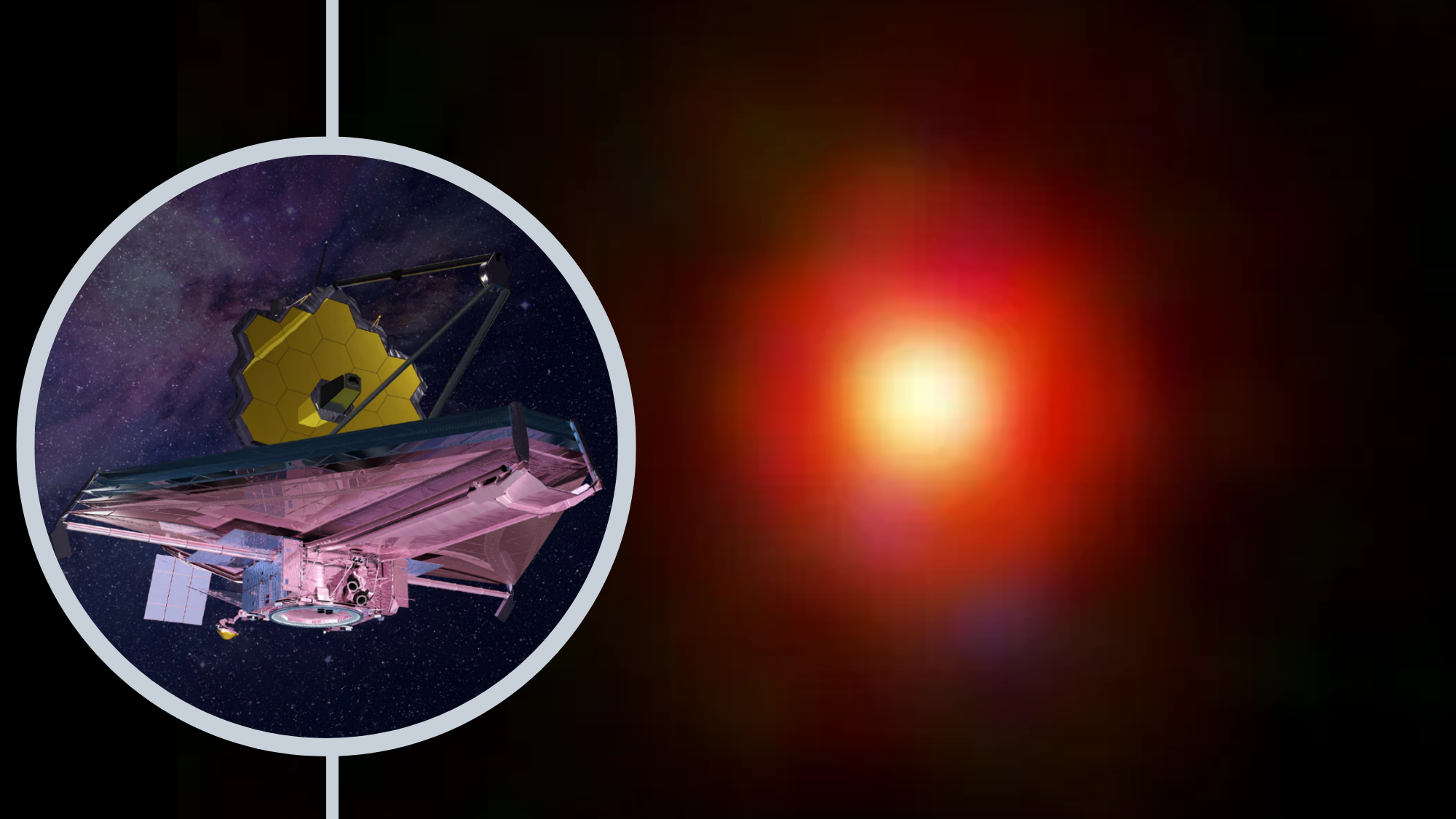
JWST study links 'Little Red Dots' to faint host galaxies
space.com

How it unfolded 1 development · click the chart to see its coverage articlespostscomments

Peak 3 pieces in two hours at Sep 18, 9 AM; 6 pieces over 6 days (1 article · 2 posts · 3 comments) Sep 18, 5 AM — 1 piece · 1 article — Google News 1Sep 18, 7 AM — 1 piece · 1 post — Reddit 1Sep 18, 9 AM — 3 pieces · 1 post · 2 comments — Reddit 2, Mastodon 1Sep 18, 11 AM — quietSep 18, 1 PM — quietSep 18, 3 PM — quietSep 18, 5 PM — quietSep 18, 7 PM — quietSep 18, 9 PM — quietSep 18, 11 PM — quietSep 19, 1 AM — quietSep 19, 3 AM — 1 piece · 1 comment — Reddit 1Sep 19, 5 AM — quietSep 19, 7 AM — quietSep 19, 9 AM — quietSep 19, 11 AM — quietSep 19, 1 PM — quietSep 19, 3 PM — quietSep 19, 5 PM — quietSep 19, 7 PM — quietSep 19, 9 PM — quietSep 19, 11 PM — quietSep 20, 1 AM — quietSep 20, 3 AM — quietSep 20, 5 AM — quietSep 20, 7 AM — quietSep 20, 9 AM — quietSep 20, 11 AM — quietSep 20, 1 PM — quietSep 20, 3 PM — quietSep 20, 5 PM — quietSep 20, 7 PM — quietSep 20, 9 PM — quietSep 20, 11 PM — quietSep 21, 1 AM — quietSep 21, 3 AM — quietSep 21, 5 AM — quietSep 21, 7 AM — quietSep 21, 9 AM — quietSep 21, 11 AM — quietSep 21, 1 PM — quietSep 21, 3 PM — quietSep 21, 5 PM — quietSep 21, 7 PM — quietSep 21, 9 PM — quietSep 21, 11 PM — quietSep 22, 1 AM — quietSep 22, 3 AM — quietSep 22, 5 AM — quietSep 22, 7 AM — quietSep 22, 9 AM — quietSep 22, 11 AM — quietSep 22, 1 PM — quietSep 22, 3 PM — quietSep 22, 5 PM — quietSep 22, 7 PM — quietSep 22, 9 PM — quietSep 22, 11 PM — quietYesterday, 1 AM — quietYesterday, 3 AM — quietYesterday, 5 AM — quietYesterday, 7 AM — quietYesterday, 9 AM — quietYesterday, 11 AM — quietYesterday, 1 PM — quietYesterday, 3 PM — quietYesterday, 5 PM — quietYesterday, 7 PM — quietYesterday, 9 PM — quietYesterday, 11 PM — quietToday, 1 AM — quiet 1
Sep 19Sep 20Sep 21Sep 22yesterdaynow · 2:59 AM ET
  1. 1

    Astronomers report faint host-galaxy light around 217 'Little Red Dots'

    A team including Jorge Zavala of the University of Massachusetts Amherst analyzed JWST images of 217 Little Red Dots and detected faint surrounding light, which they theorize comes from dense, star-forming host galaxies rather than the objects' unexplained bright central cores.

    “We hadn't seen anything like LRDs in the local universe. This is a phase that we missed before.”
    — Jorge Zavala
    • us@pubeurope.com

      https://www. europesays.com/us/1071110/ Galaxies housing the James Webb Space Telescope's mysterious 'Little Red Dots' might've revealed their secrets – Space # Science # UnitedStates # UnitedStates # US

      us@pubeurope.comMastodon5d agoview on Mastodon ↗
    2 more of the top 3 · 4 posts in this stretch
    • Housing = containing These unusual galaxies contain mysterious ‘little red dots’ discovered by the Webb telescope.

      Smartnershipr/space5d agoview on r/space ↗
    • JWST is capable of higher resolution spectroscopy, providing proof that the lrds are metal poor

      the-player-of-gamesr/space4d agoview on r/space ↗
    all of them →

What people are saying 1 voices from 1 site · best of 4 · verbatim