Pediatric nurse guides parents on distinguishing COVID-19 from cold, flu, RSV
A Michigan State University nursing professor explains key symptom differences to help families decide when to keep sick children home from school.
What to know
- COVID-19 carries higher risk of severe or long-term health effects than flu, RSV, or common cold, with distinctive stomach symptoms (abdominal pain, vomiting, diarrhea) and loss of taste or smell.
- Flu symptoms onset rapidly and last 3-7 days; RSV can last 3-4 weeks and poses particular danger to infants, young children, and those with chronic conditions.
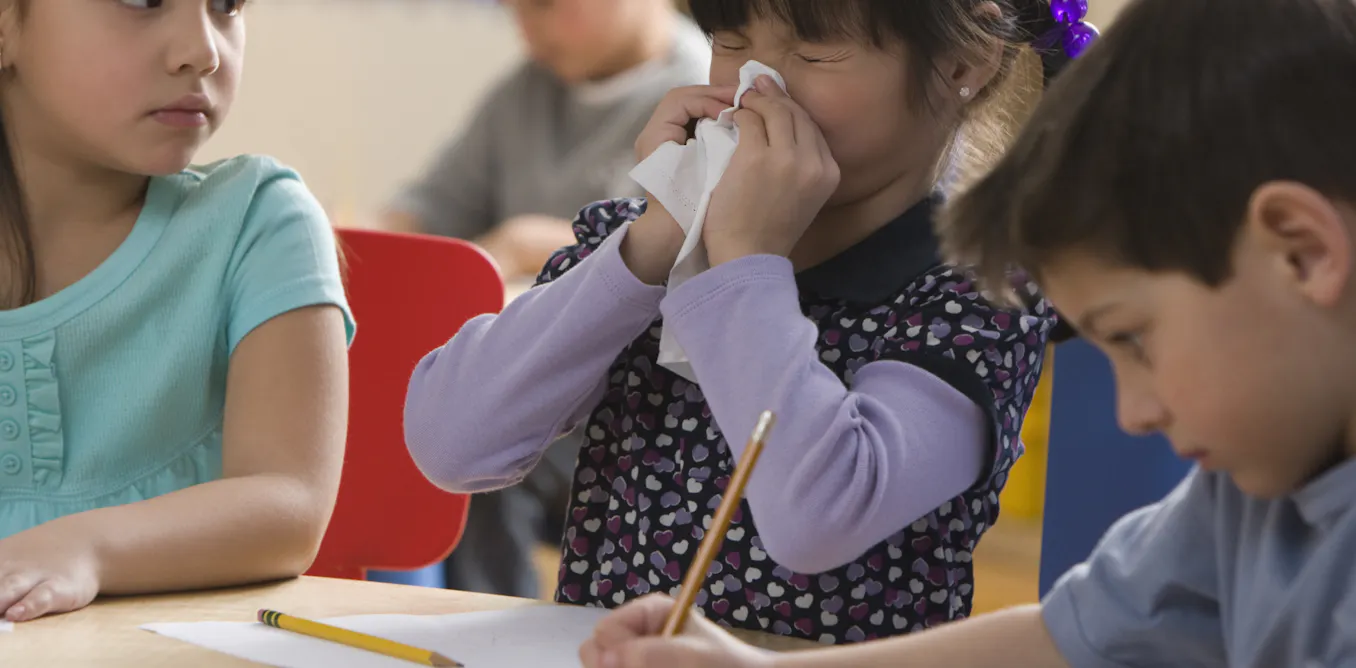
- Parents should keep children home if they have had a fever in the past 24 hours or show diarrhea, nausea, or vomiting to protect vulnerable classmates and school staff.
“The symptoms of COVID-19 tend to last longer – 7-14 days, with some lingering for three to four weeks. Beyond common cold symptoms like a cough, sore throat and runny nose, people sick with COVID-19 often have body aches, shortness of breath and difficulty breathing, headache, fatigue, fever and loss of taste and/or smell.”
Ann Sheehan, Pediatric nurse practitioner · The Conversation ↗ · Sep 17
Ann Sheehan Pediatric nurse practitioner, Associate Professor of Nursing at Michigan State University
How it unfolded 2 developments, newest first · click a bar or a number to jump articlesposts
-
2
The Conversation amplifies article on Mastodon ahead of fall/winter respiratory season
The Conversation's official account shared the article on Mastodon, emphasizing the importance of distinguishing illnesses as fall and winter respiratory season approaches, reaching 5 engagements.
-
 T
T
Figuring out whether your child has COVID-19, the flu, RSV or the common cold is important because some of these illnesses can cause serious complications in some children. A pediatric nurse practitioner explains what symptoms to look for: https:// theconversation.com/does-my-ki…
-
- 2 days quiet
-
1
Sheehan advises keeping sick children home to protect vulnerable community members
The guidance recommends keeping children home if they have had a fever in the past 24 hours or have diarrhea, nausea, or vomiting, noting that sending sick children to school spreads illness to classmates, staff, and high-risk family members.
“Keeping children home when they are sick helps reduce that spread, protecting vulnerable children and school staff.”
— Ann Sheehan -
background
Guide details symptom distinctions: COVID-19 stomach signs, flu rapid onset, RSV lung risk — The article specifies that COVID-19 symptoms last 7-14 days and often include body aches, shortness of breath, headache, fatigue, and loss of taste or smell—with stomach symptoms (abdominal pain, vomiting, diarrhea) as a distinctive telltale sign. Flu symptoms come on quickly and last 3-7 days but lack taste/smell loss. RSV mirrors cold symptoms but affects lungs and can last 3-4 weeks.
-
background
Ann Sheehan publishes symptom guide for distinguishing respiratory infections in children — Sheehan, a primary care pediatric nurse practitioner and associate professor at Michigan State University, published an article explaining how to differentiate between COVID-19, flu, RSV, and the common cold based on symptom patterns, duration, and severity.
Also covered reported alongside — the timeline has no entry for these yet
-
first by Mastodon, 2d ago · also The Conversation
and 1 smaller piece