UC Riverside researchers find chemical that kills 95% of termites safely
Bistrifluron, a chitin synthesis inhibitor, eliminates drywood termites by disrupting their molt cycle without harming humans.
What to know
- Bistrifluron, a chitin synthesis inhibitor, kills 95–99% of western drywood termites in laboratory tests by preventing exoskeleton formation during their mandatory molt cycle.
- The chemical is selective to insects and harmless to humans because it targets chitin synthesis, which only insects use in their rigid outer coverings.
- The treatment offers a potentially safer alternative to traditional fumigation for managing drywood termite infestations.
Nicholas Poulos Doctoral student and paper author, UCRDong-Hwan Choe UCR entomology professor and senior paper authorUniversity of California, Riverside Research institution
How it unfolded 1 development · click the chart to see its coverage articlesposts
-
1
Research findings publicized as alternative to traditional fumigation
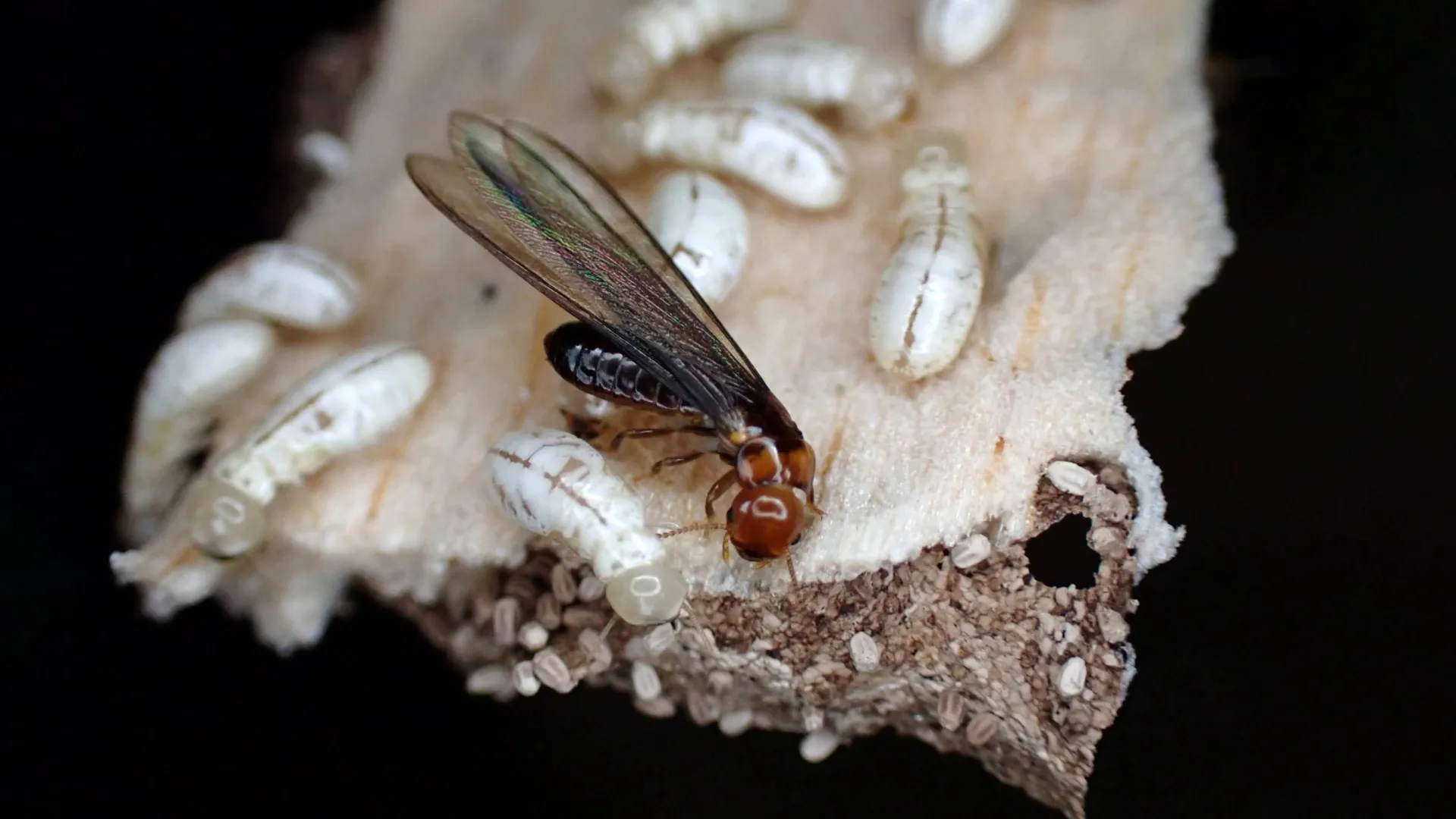
The 2025 study results became widely reported, highlighting bistrifluron's mechanism: it disrupts the insect's ability to manufacture chitin for a new exoskeleton, forcing termites into a fatal molt when they cannot avoid the process.
“Once the termites reach a certain stage, they have to molt. They cannot avoid that. With a lethal dose of this chemical, they'll try to shed their old exoskeleton but won't have a new one ready to protect them.”
— Dong-Hwan Choe -
background
UC Riverside study shows bistrifluron kills western drywood termites — A study published in the Journal of Economic Entomology demonstrated that bistrifluron, a chitin synthesis inhibitor, produced 95.7% mortality when termites had a choice between treated and untreated wood, and 99% mortality under continuous exposure in controlled laboratory experiments.
Also covered reported alongside — the timeline has no entry for these yet
-
first by ScienceDaily, 4d ago · also Mirage News
1 more headline
- New Chemical Eradicates 95% Of Termites Safely Mirage News · 4d ago