Iran war fuel shock pushes ~90 countries to subsidize energy prices
Governments scramble to shield consumers from record fuel costs as Trump pushes a diesel export ban and economists warn of a fresh inflation shock.
What to know
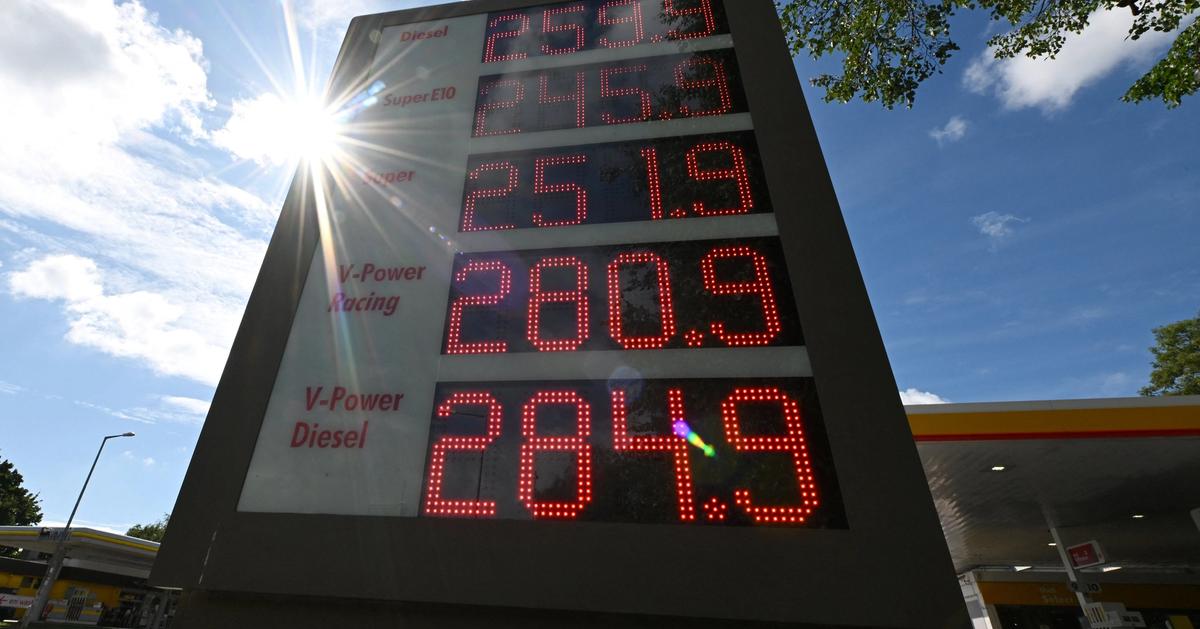
- Around 90 countries have introduced consumer fuel subsidies since prices spiked after the Iran war disrupted oil markets.
- Public finances, already strained, face little political appetite for withdrawing these subsidies.
- Trump has floated a US diesel export ban and reportedly pushed Ukraine to stop striking Russian refineries to ease prices.
- Despite a dip in crude oil prices, a WSJ commentator warns a second inflationary shock could keep interest rates higher for longer.
 Donald Trump US PresidentVolodymyr Zelensky President of Ukraine
How it unfolded 2 developments, newest first · click a bar or a number to jump articlesposts
-
2
WSJ economics commentator warns of a second inflationary shock
The Wall Street Journal's chief economics commentator warned that a second inflationary shock could be developing, implying interest rates may stay elevated longer than expected.
“Leaders scramble to curb rising fuel prices…”
— Semafor, News outlet · source -
Oil prices dipped to near two-week lows, but increasing costs of fuel raised fears of broader economic fallout. Some 90 countries have implemented some form of support to cushion the blow on consumers.
-
-
background
Oil prices dip to near two-week lows despite fuel price fears — Crude oil prices fell to near two-week lows even as rising retail fuel costs continued to raise fears of broader economic fallout and fiscal strain.
-
background
Trump backs diesel export ban and presses Ukraine on refinery strikes — Trump voiced support for a US diesel export ban to curb record fuel prices and reportedly pressed Ukraine's leader to stop attacks on Russian refineries, as roughly 90 countries move to cushion consumers with subsidies.
-
1
FT reports fuel subsidies now cover over 90 countries
The Financial Times reports that the number of countries offering some form of consumer support for fuel costs has topped 90, as the energy crisis strains public finances worldwide.
-
first by FT, 2d ago
-