Pigliucci explores Cicero's skepticism as guide to belief
Philosopher Massimo Pigliucci argues the Roman orator's concept of probabilia offers a middle path between doubt and certainty.
What to know
- Pigliucci argues Cicero's 'probabilia' offers a middle path between dogmatism and radical doubt—a practical framework for holding beliefs with confidence while remaining open to revision.
- The essay examines how Cicero developed this philosophy under extreme personal and political pressure (the collapse of the Republic and devastating private losses), positioning it as philosophy tested in real-world stakes.
- Pigliucci presents the concept as timely for modern epistemic challenges, applicable to assessing beliefs and making decisions in an era of competing certainties.
“a way of holding beliefs that is neither the performed humility of the professional doubter nor the armoured certainty of the person who has 'done their own research'”
Massimo Pigliucci, Philosopher and author · Aeon ↗ · Sep 20
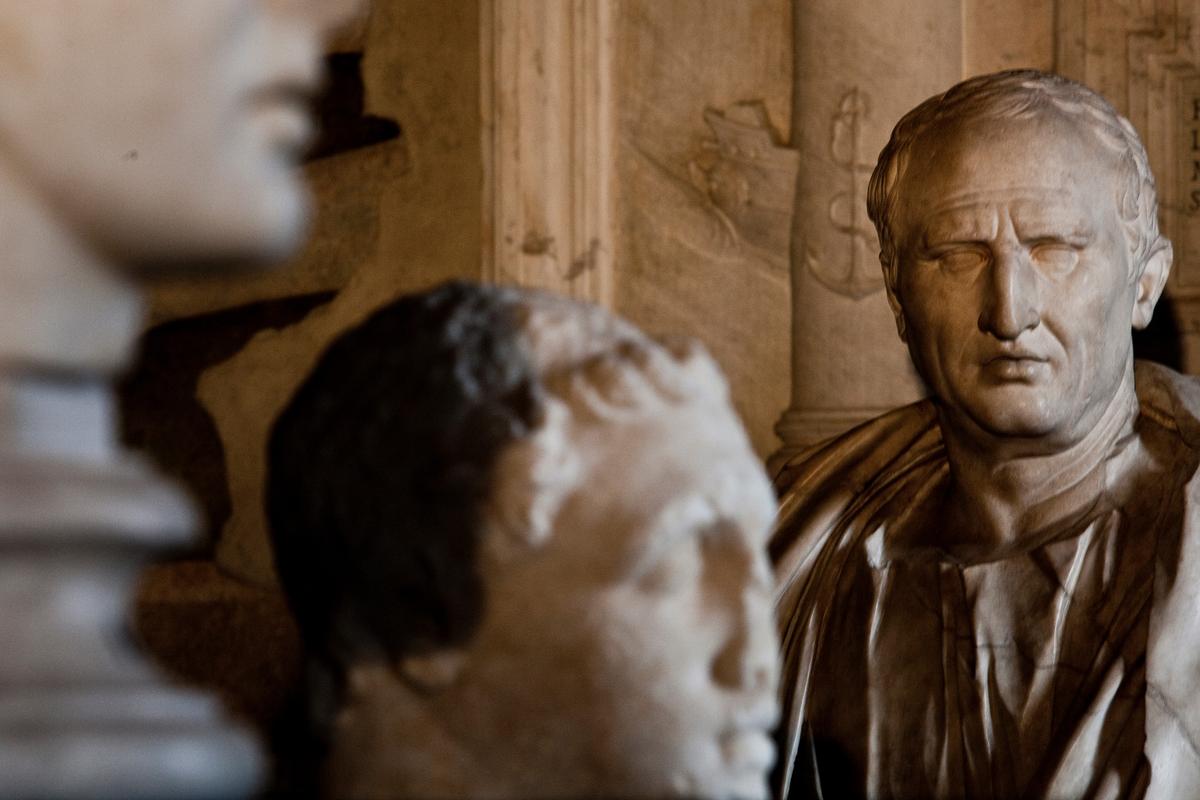
Massimo Pigliucci K D Irani Professor of Philosophy, CCNYMarcus Tullius Cicero Roman lawyer and philosopher
How it unfolded 4 developments, newest first · click a bar or a number to jump articlesposts
-
4
Project Gutenberg amplifies essay and links to Cicero texts
Project Gutenberg's Mastodon account shares the essay and provides links to Cicero's works available on their platform, broadening distribution to readers interested in primary sources.
-
 G
G
He was probably right Cicero’s life and thought are a testament to the idea of probabilia: we should be confident in our beliefs, but never certain by Massimo Pigliucci https:// aeon.co/essays/a-good-sceptic- has-more-than-doubt-and-less-than-certainty?utm_source=Aeon+Newsletter&utm_campaign=ecce64c403-EMAIL_CAMPAIGN_2026_09_07_COPY_01&utm_medium=e…
2 more of the top 3 · 3 posts in this stretch
-
 F
F
“The genuine sceptic is not the person who doubts everything, nor the person who demands proof before believing anything. It is the person who has learned to hold their best views with exactly the right strength of grip: firmly enough to act on them, loosely enough to let go when the evidence turns” https:// aeon.co/essays/a-good-sceptic-…
-
 L
L
"Both pathologies make the same mistake: they treat doubt and certainty as the only two options." https:// aeon.co/essays/a-good-sceptic- has-more-than-doubt-and-less-than-certainty
-
-
3
Essay shared on Mastodon by Damn Interesting
Damn Interesting account on Mastodon shares the essay, highlighting the core thesis that skeptics should be confident but never certain.
-
 D
D
"Cicero’s life and thought are a testament to the idea of probabilia: we should be confident in our beliefs, but never certain" A good sceptic has more than doubt and less than certainty https:// aeon.co/essays/a-good-sceptic- has-more-than-doubt-and-less-than-certainty?utm_source=DamnInteresting
-
- 1 day quiet
-
2
Hacker News discussion surfaces
The essay gains traction on Hacker News, where users begin discussing Pigliucci's interpretation of Cicero's skeptical philosophy and its applicability to contemporary belief-holding.
-
1
Pigliucci publishes essay on Cicero's skepticism
Massimo Pigliucci publishes "He was probably right" on Aeon, exploring Cicero's life during the collapse of the Roman Republic and his development of Academic Skepticism. The essay frames Cicero's concept of probabilia as a usable modern method for holding beliefs.
“we should be confident in our beliefs, but never certain…”
— Massimo Pigliucci -
1 outlet He was probably right
first by Aeon, 2d ago
-