Climate losses tied to mental health, culture need policy measurement
Psychologist Manasi Kumar argues climate damage assessment must capture psychological and cultural harm, not just economic loss.
What to know
- Climate damage extends beyond measurable economic loss to include mental-health, cultural, and identity harm—areas largely absent from current policy frameworks.
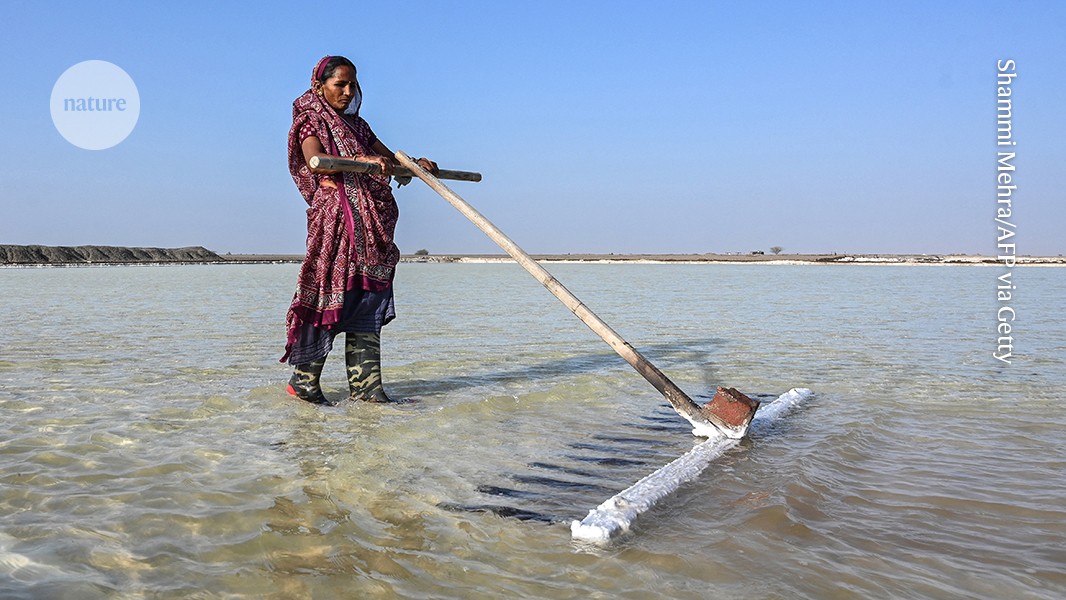
- Fieldwork with coastal communities in Kenya and salt workers in India reveals climate change erodes intergenerational knowledge, traditions, and sense of belonging alongside livelihoods.
- Existing climate adaptation policies address coping and resilience but fail when communities cannot adapt—such as fishing groups whose way of life becomes unsustainable.
- COP31 negotiations in November offer a moment for governments to develop ways to assess and address non-economic climate losses.
“People speak about losing their sense of belonging. They worry that their children will grow up disconnected from the places that have defined their families for generations.”
Manasi Kumar, Clinical psychologist and professor of population health, NYU · Nature News ↗ · Sep 20
Manasi Kumar Clinical psychologist and professor of population health, NYU
How it unfolded 1 development · click the chart to see its coverage articlesposts
-
background
Kumar identifies gap in climate policy on mental health — Kumar argues that while climate policy sometimes addresses mental health through adaptation (preparedness, psychological first aid, resilience programs), it fails to account for scenarios where adaptation is impossible—such as fishing communities that can no longer sustain their way of life. She emphasizes mental health remains mostly invisible in systems designed to address climate loss.
-
background
Kumar details psychological toll observed in affected communities — Kumar describes how conversations with Kenyan fishing communities revealed anxiety, substance abuse, gender-based violence, and erosion of sea-based traditions beneath surface economic concerns. She notes people experience climate change as gradual erosion of health, livelihoods, social cohesion, and dignity—not isolated disasters.
-
1
Kumar argues climate losses extend to mental health and cultural identity
Manasi Kumar publishes analysis in Nature News contending that climate damage assessment must go beyond property and income to capture psychological and cultural harms. She draws on fieldwork with coastal communities in Kenya and salt workers in India to show how climate change erodes belonging, traditions, and intergenerational knowledge.
“Climate losses extend beyond property and income. Policymakers need ways to assess what people value, experience and ultimately stand to lose.”
— Manasi Kumar -
first by Nature News, 3d ago
-
N
Climate losses extend beyond property and income. Policymakers need ways to assess what people value, experience and ultimately stand to lose, says Manasi Kumar go.
-
What people are saying 1 voices from 1 site · best of 3 · verbatim
- Sep 22
-
As climate change bites, prioritize healing “People often experience climate change not as a single disaster, but as gradual erosion of health, livelihoods, social cohesion and dignity. Mental health sits at the centre of those losses, yet remains mostly invisible in the systems designed to address them.” https://www…