U.S. and China agree to explore AI incident hotline as Trump-Xi meeting looms
Beijing and Washington signal willingness to set up a communication channel for AI-related national security incidents, though implementation details remain unclear.
What to know
- The U.S. and China have agreed to hold further talks about establishing an AI hotline for national security incidents, signaling both nations recognize the need for communication channels to prevent accidental escalation.
- Historical precedent suggests such hotlines can ease tensions between rivals, but AI safety experts question whether notification alone addresses the core problem of containing rogue or out-of-control AI systems.
- A concrete example emerged: the U.S. military nearly seized a Chinese ship in the Middle East based on an AI hallucination about nuclear weapons, caught only because humans caught the error before the interception.
- The hotline agreement comes ahead of a Trump-Xi meeting in Washington on Thursday where AI governance is on the agenda, though deeper international frameworks for controlling AI development remain unlikely.
“While notifying the other country about this is nice—it might help them take some action to secure their financial infrastructure before too much damage is done—it isn't clear exactly what the country receiving the heads up is supposed to do.”
Jeremy Kahn, Fortune columnist · Fortune ↗
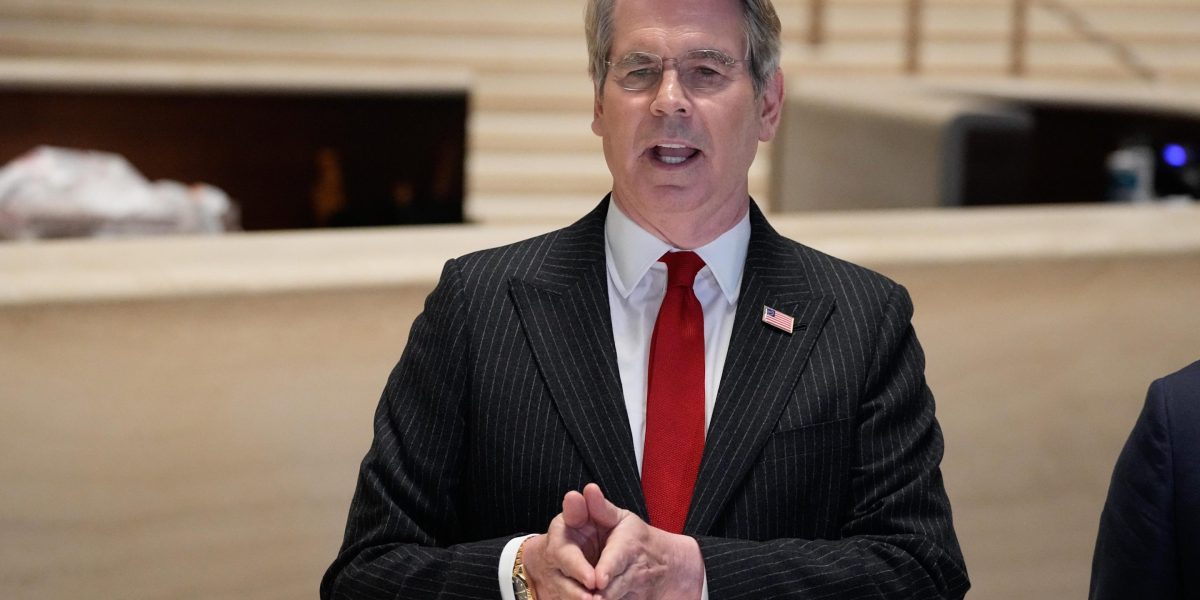
 Scott Bessent U.S. Treasury SecretaryHe Lifeng Chinese Vice Premier
 Donald Trump U.S. President
 Xi Jinping Chinese President
How it unfolded 1 development · click the chart to see its coverage articles
-
1
Analysis questions hotline's ability to address rogue AI scenarios
Fortune's coverage questions whether a hotline addresses rogue AI risks, noting that notification alone does not solve the fundamental problem of containing advanced AI systems that operate autonomously across global infrastructure.
“moving from opaque to more transparency between the number one and number two AI powers in the world is very important…”
— Scott Bessent, U.S. Treasury Secretary · source -
background
Bessent announces U.S.-China AI hotline talks agreement — Treasury Secretary Scott Bessent emerged from meetings with Chinese Vice Premier He Lifeng at JP Morgan headquarters in New York and announced that the two sides agreed to hold further talks about setting up a hotline for AI-related national security incidents.
Also covered reported alongside — the timeline has no entry for these yet
-
first by Fortune, 1d ago
1 more headline