Study reveals small undersea volcanoes can trigger massive tsunamis
Research on the 2022 Hunga eruption shows rapid caldera collapse can displace enormous water volumes despite modest volcano size.
What to know
- A 4-kilometer-wide submarine caldera—one of the smallest on record—collapsed rapidly during the 2022 Hunga eruption and produced the highest tsunami ever recorded from an underwater volcanic event (40 meters).
- The speed of caldera collapse, not size alone, appears critical to tsunami generation: rapid seafloor subsidence displaces enormous water volumes in short timeframes.
- Scientists still lack full understanding of submarine caldera dynamics and the conditions that trigger dangerous tsunamis from volcanic activity at sea.
“In general, when a submarine caldera collapses, the sinking seafloor pulls the seawater above it along with it. If the seafloor hundreds of meters below the surface drops abruptly, as it did at Hunga, a large volume of water can be displaced in a short time, potentially creating a tsunami.”
Ars Technica · Ars Technica ↗
International research team ResearchersHunga volcano Subject of study
How it unfolded 1 development · click the chart to see its coverage articlesposts
-
1
Study finds rapid caldera collapse amplified Hunga's tsunami
Researchers publish findings arguing that the rapid collapse of the Hunga caldera may have enhanced the massive tsunami by pulling seawater down as the seafloor dropped abruptly. The study demonstrates that even a relatively small caldera—Hunga is one of the smallest among 177 known calderas globally—can produce dangerous tsunamis depending on collapse speed and geometry.
“The dynamics of submarine caldera-forming eruptions and, thus, the hazards they pose are not well understood, owing to the relative inaccessibility of the resulting calderas and eruption products.”
— Research paper -
 U
U
https://www. europesays.com/us/1080661/ Small undersea volcanoes may unleash outsized tsunamis # Science # UnitedStates # UnitedStates # US
-
-
background
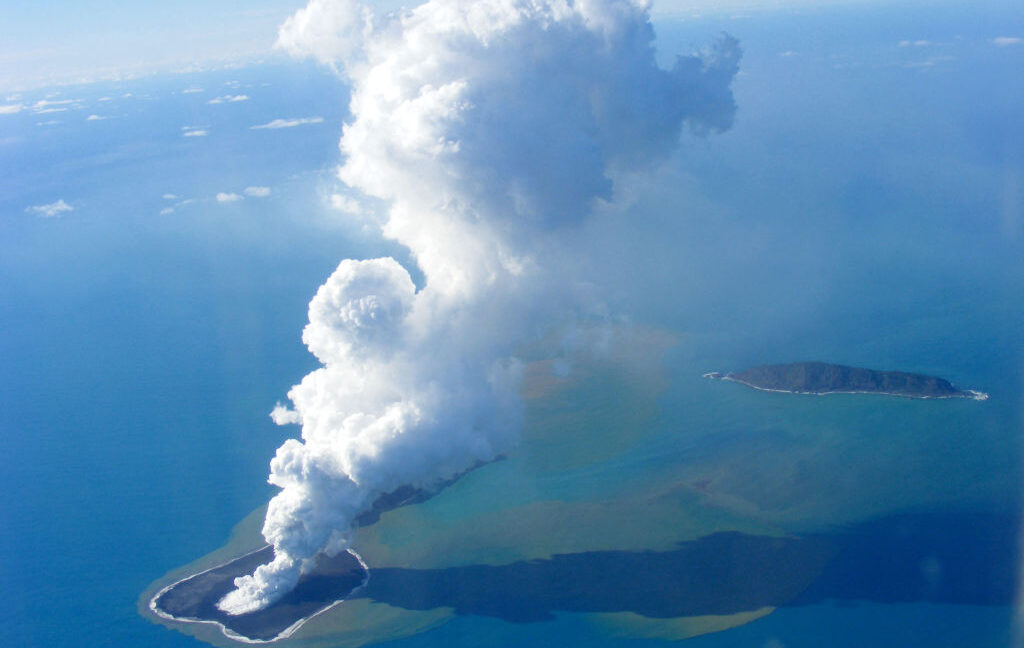
Hunga volcano erupts in Tonga — The underwater volcano erupts with an eruption column soaring more than 55 km, pushing vaporized seawater into the stratosphere. The pressure wave is detected globally, and the accompanying tsunami reaches 40 meters within 100 km of the source—the highest tsunami ever recorded from an underwater volcanic eruption.
Also covered reported alongside — the timeline has no entry for these yet
-
first by Ars Technica, 16h ago · also Ars Science