Trump calls off strikes on Houthis after reversals, leaving Saudi Arabia scrambling
After initially rejecting and then approving military action, Trump halted a planned bombing campaign against Yemen's Iranian-backed rebels who now control key Red Sea chokepoints.
What to know
- Houthis captured the Red Sea port of Mocha and the Bab el-Mandeb Strait in mid-September, controlling critical global shipping chokepoints; Saudi-backed forces collapsed without significant resistance.
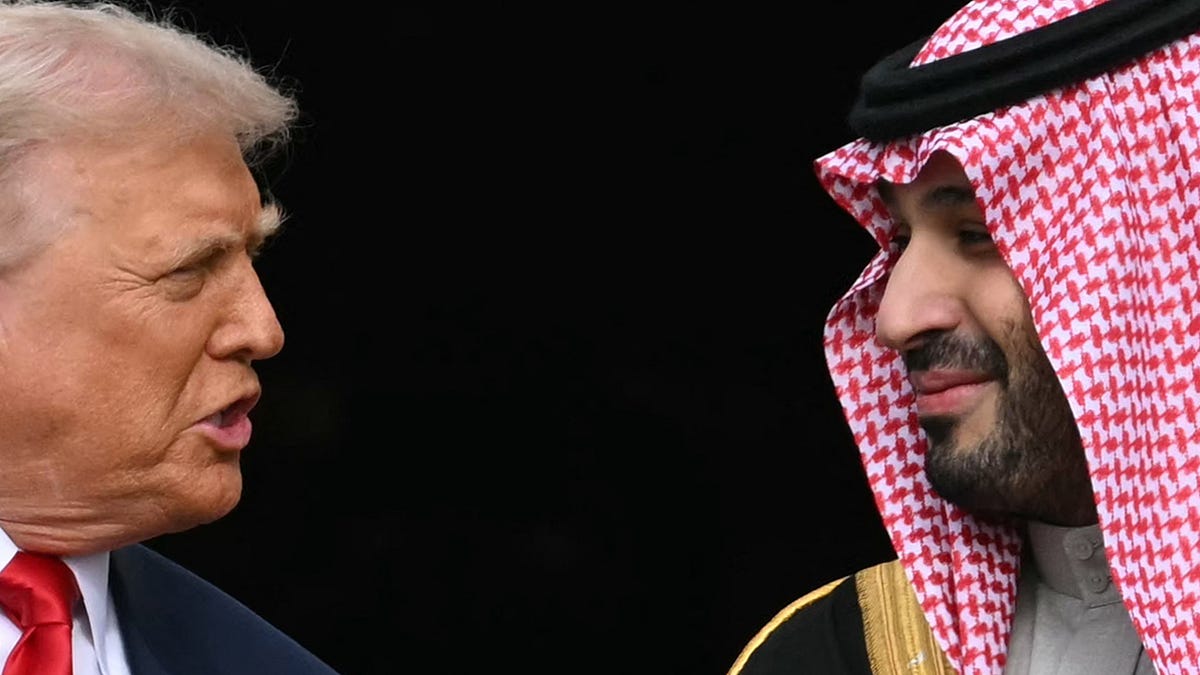
- Trump rejected Saudi Crown Prince bin Salman's request for U.S. military help, reversed course to approve strikes, then cancelled the operation as bombs were being loaded, leaving strategic uncertainty unresolved.
- Saudi Arabia's military owns advanced aircraft, tanks, and weapons but has failed to translate technological superiority into battlefield success against a smaller, more organized adversary.
- Houthi control of Red Sea chokepoints, combined with Iran's blockade of the Strait of Hormuz, means global energy markets now depend on the Iran-backed rebels' goodwill.
The dispute Whether U.S. military intervention is necessary or strategically desirable versus whether Saudi Arabia should be forced to solve its own regional problem. · positions read across 1 posts and comments
Trump's reversals reflect deeper uncertainties about U.S. commitments and the costs of another Middle East conflict.
-
“Whatever the reasons for the president's change of mind, there remains a fundamental question: Why does Saudi Arabia need us to fight the Houthis in the first place?”
Mark Hertling · The Bulwark ↗
Saudi Arabia's military failure despite technological superiority reflects poor strategy and dependence on airpower rather than coordinated ground operations.
-
“The Saudi armed forces have struggled for years to turn all the technology they've purchased into battlefield effectiveness…never translated their materiel advantage into strategic success.”
Mark Hertling · The Bulwark ↗
“The president initially said no—twice. Then, a week later, after another direct phone call with MBS, Trump reportedly told the Pentagon to prepare strikes against the Houthis.”
Mark Hertling, Analyst, The Bulwark · The Bulwark ↗
Houthis (Ansar Allah) Yemeni rebel group Mohammed bin Salman Saudi Crown Prince
 Donald Trump U.S. President
 Mark Hertling Former U.S. military commander, analystAmr al-Bidh Senior official, Yemen's Southern Transitional Council
How it unfolded 2 developments, newest first · click a bar or a number to jump articlesposts
-
2
Former U.S. military commander questions why Saudi Arabia needs American help
Mark Hertling, a former U.S. military commander who fought in the Middle East, analyzes why Saudi Arabia—with 35 million residents, enormous oil wealth, and one of the world's largest defense budgets—has been unable to counter the Houthis despite overwhelming technological superiority, and why it must turn to the United States.
“I've spent a good part of my professional life studying and fighting in the Middle East, and even I have found the latest developments difficult to follow. It's a dog's breakfast.”
— Mark Hertling -
Whatever the reasons for the president’s change of mind, there remains a fundamental question: Why does Saudi Arabia need us to fight the Houthis in the first place? NEW from Mark Hertling:
-
- 3 days quiet
-
1
Houthis claim Red Sea remains safe for shipping despite control of chokepoint
Houthi spokesman Mohammed Abdulsalam posted that the strait and the Red Sea faced no danger from the Yemeni side, contradicting concerns about blocked commerce, though the rebels had previously announced a maritime blockade on Saudi Arabia.
“The strait and the Red Sea faced 'no danger' from the Yemeni side.”
— Mohammed Abdulsalam -
first by The Bulwark, 10h ago
-
first by New Yorker, 4d ago
-
-
background
Trump cancels the bombing operation — Before the strikes could be executed, Trump changed his mind again and called off the operation, leaving the reasons for the reversal unclear.
-
background
Trump approves strikes after second call from bin Salman — A week after the initial refusal, following another direct phone call with the Saudi crown prince, Trump reportedly told the Pentagon to prepare strikes against the Houthis. Target lists were approved and bombs were loaded onto American aircraft.
-
background
Trump initially declines Saudi request for strikes — President Trump said no to Crown Prince bin Salman's request for military help—and repeated this refusal in a second exchange.
-
background
Saudi Crown Prince bin Salman requests U.S. military help from Trump — On the day the Houthis finalized their capture of Mocha, Saudi Crown Prince Mohammed bin Salman asked President Trump for American military intervention against the rebels.
-
background
Houthis capture Red Sea port of Mocha and surrounding territory — In a swift offensive, Yemen's Houthi rebels seized Mocha, a major port city on the Red Sea, and Perim, a small island at the southern entrance to the Bab el-Mandeb Strait. The rebels now control Yemen's entire Red Sea coastline and critical chokepoints for global oil shipments.