Scientists develop 3D thermal invisibility cloak that hides objects from infrared cameras
University of Illinois and Danish researchers created a lattice-based material device that conceals complex objects in all directions from thermal imaging.
What to know
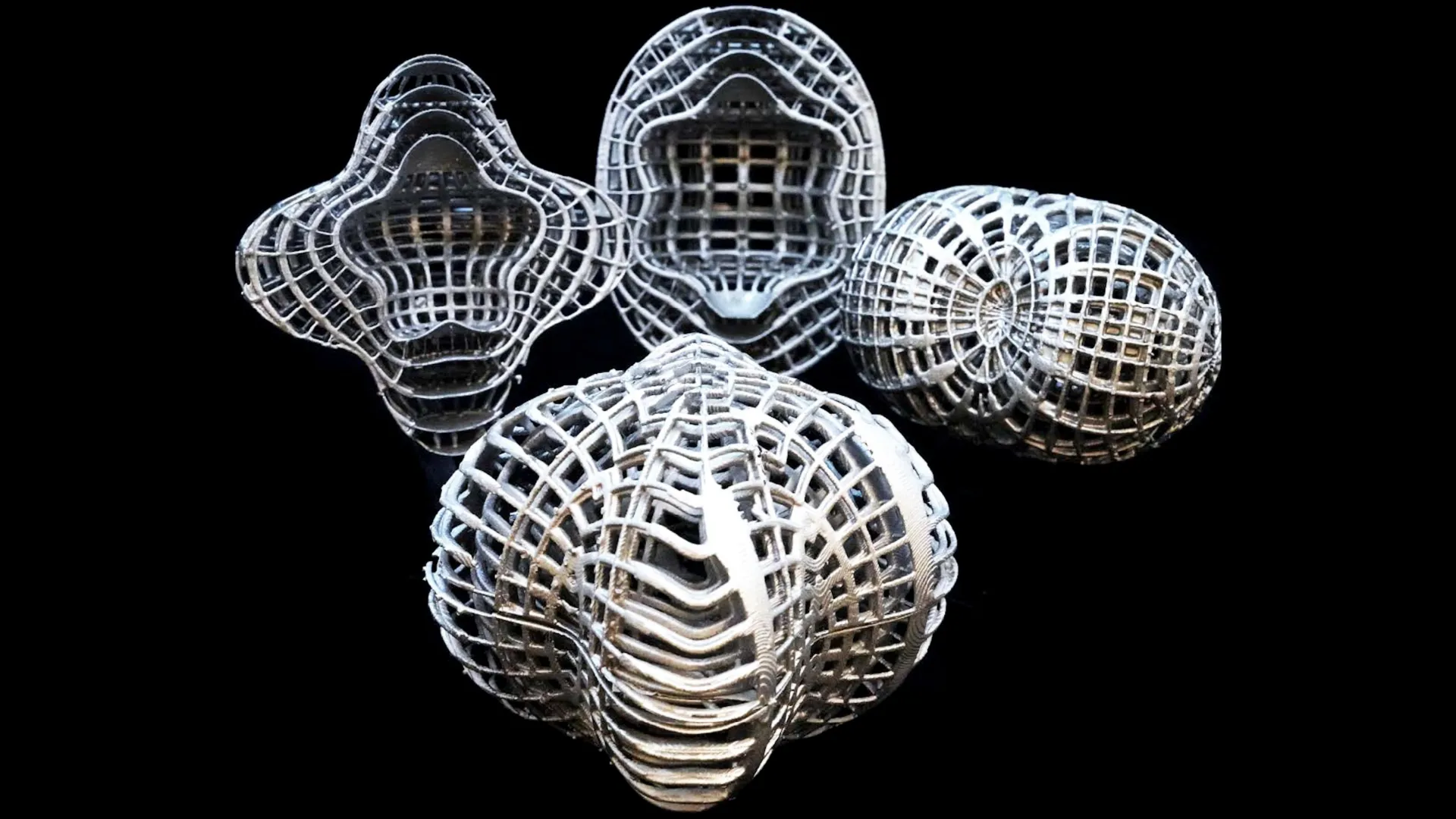
- Scientists created the first fully three-dimensional thermal invisibility cloak using a lattice-based aluminum and rubber-composite material that redirects heat in all directions.
- Unlike previous two-dimensional designs, the new cloak works regardless of where heat approaches from, making concealed objects appear absent to infrared cameras.
- Potential applications include cooling microchips, protecting sensitive electronics, and preventing thermal detection in security contexts.
- The device was physically constructed and tested with infrared imaging to confirm it successfully maintains stable internal temperatures while preserving surrounding heat patterns.
Shelly Zhang University of Illinois professor, lead researcherWeichen Li Postdoctoral researcherYibo Wang Graduate studentOle Sigmund Technical University of Denmark professor
How it unfolded 2 developments, newest first · click a bar or a number to jump articlesposts
-
2
Times of India reports on cloak applications and future research directions
Coverage highlights the cloak's potential applications in electronics cooling and security, noting that the device successfully redirected heat away from intricate shapes during testing. Reports indicate future work will focus on concealing heat-generating objects to enhance technological capabilities.
-
first by The Times of India, 11d ago · also Times of India
1 more headline
- Scientists develop 3D cloak that hides complex objects from infrared cameras Times of India · 11d ago
-
- 1 day quiet
-
1
Research details reveal lattice-based material design and infrared testing
Coverage reveals the device uses a 3D-printed aluminum lattice combined with a rubber-like material to control heat movement. Researchers positioned the cloak between hot and cold regions and used infrared cameras to confirm it successfully redirected heat around concealed areas while maintaining surrounding temperature patterns.
“A real thermal cloak should work no matter where the heat comes from. Our device can hide a complex 3D object in an infinite number of directions while keeping the temperature inside stable and protected.”
— Shelly Zhang, Lead researcher, University of Illinois · source -
background
University of Illinois team publishes 3D thermal cloak research — Researchers led by Shelly Zhang at University of Illinois Urbana-Champaign, in collaboration with Ole Sigmund of Technical University of Denmark, published findings in Nature Communications describing a breakthrough three-dimensional thermal invisibility cloak that can conceal objects from infrared cameras regardless of heat direction.
Also covered reported alongside — the timeline has no entry for these yet
-
first by ZME Science, 13d ago · also Science Daily
1 more headline
- New 3D thermal invisibility cloak makes objects disappear from infrared cameras Science Daily · 13d ago
and 1 smaller piece