conv.

All stories
ScienceQuiet 10d · day 12

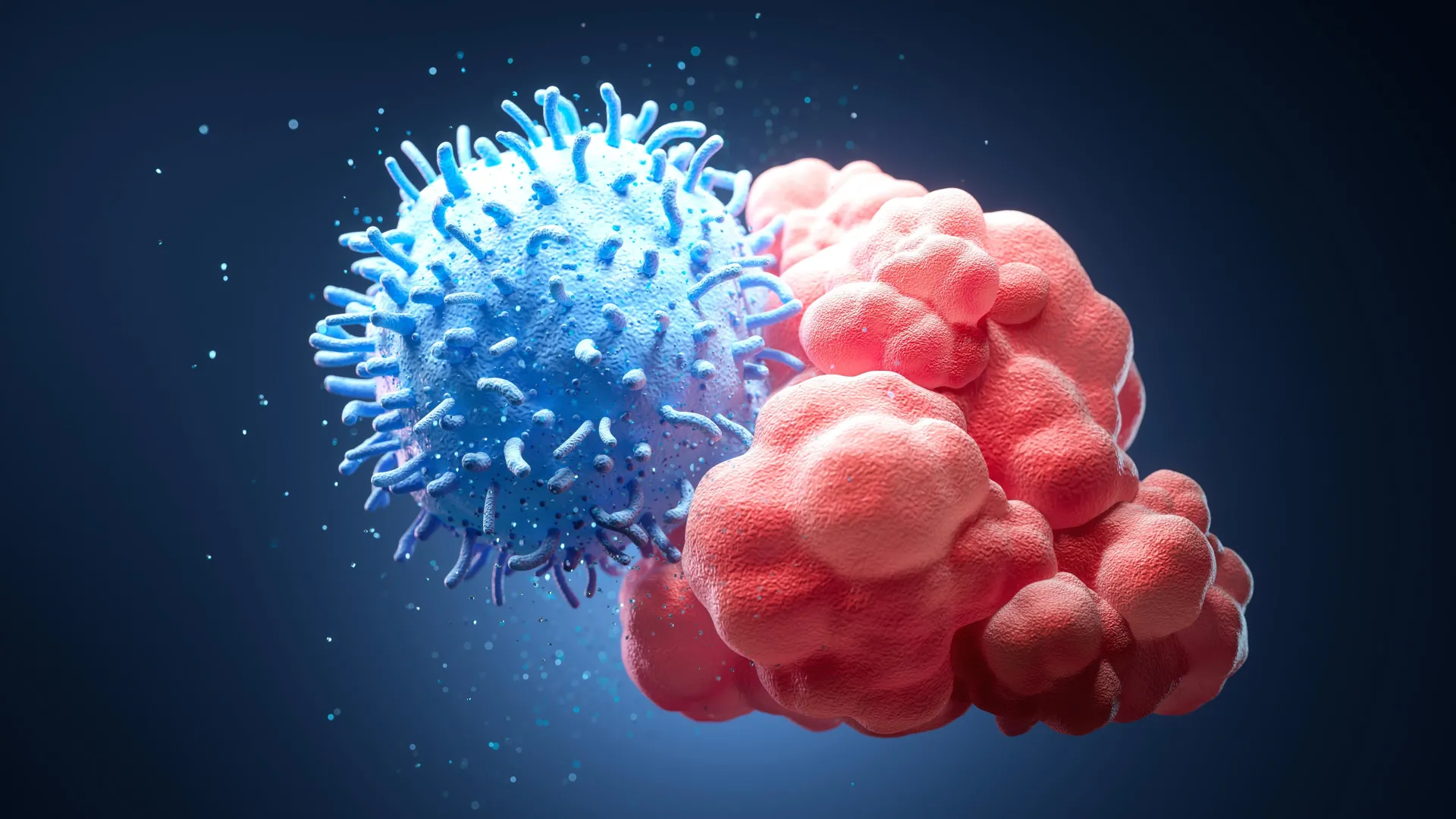
McGill scientists find T cells sense tissue stiffness to form immune memory

Researchers discover immune cells use physical touch to decide whether to become long-lasting protective memory cells.

What to know

  • T cells can detect tissue stiffness and use this physical information to develop into long-lasting memory cells, challenging decades of assumptions about immune cell development being chemistry-driven.
  • The discovery could improve treatments for autoimmune diseases, allergies, transplant rejection, and cancer immunotherapy by helping researchers understand how immune cells adapt to different physical environments.
  • Researchers are now working to identify the specific molecular sensor that enables T cells to detect mechanical forces and convert them into cellular behavior changes.

Judith Mandl Lead researcher, McGill UniversityMcGill University Research institution
McGill scientists find T cells sense tissue stiffness to form immune memory
sciencedaily.com

How it unfolded 1 development · click the chart to see its coverage articlesposts

Peak 3 pieces in 3h at Oct 27, 8 PM; 4 pieces over 12 days (3 articles · 1 post) Oct 27, 8 PM — 3 pieces · 3 articles — Google News 2, Newswires 1Oct 27, 11 PM — quietOct 28, 2 AM — quietOct 28, 5 AM — quietOct 28, 8 AM — quietOct 28, 11 AM — quietOct 28, 2 PM — quietOct 28, 5 PM — quietOct 28, 8 PM — quietOct 28, 11 PM — 1 piece · 1 post — Mastodon 1Oct 29, 2 AM — quietOct 29, 5 AM — quietOct 29, 8 AM — quietOct 29, 11 AM — quietOct 29, 2 PM — quietOct 29, 5 PM — quietOct 29, 8 PM — quietOct 29, 11 PM — quietOct 30, 2 AM — quietOct 30, 5 AM — quietOct 30, 8 AM — quietOct 30, 11 AM — quietOct 30, 2 PM — quietOct 30, 5 PM — quietOct 30, 8 PM — quietOct 30, 11 PM — quietOct 31, 2 AM — quietOct 31, 5 AM — quietOct 31, 8 AM — quietOct 31, 11 AM — quietOct 31, 2 PM — quietOct 31, 5 PM — quietOct 31, 8 PM — quietOct 31, 11 PM — quietNov 1, 1 AM — quietNov 1, 4 AM — quietNov 1, 7 AM — quietNov 1, 10 AM — quietNov 1, 1 PM — quietNov 1, 4 PM — quietNov 1, 7 PM — quietNov 1, 10 PM — quietNov 2, 1 AM — quietNov 2, 4 AM — quietNov 2, 7 AM — quietNov 2, 10 AM — quietNov 2, 1 PM — quietNov 2, 4 PM — quietNov 2, 7 PM — quietNov 2, 10 PM — quietNov 3, 1 AM — quietNov 3, 4 AM — quietNov 3, 7 AM — quietNov 3, 10 AM — quietNov 3, 1 PM — quietNov 3, 4 PM — quietNov 3, 7 PM — quietNov 3, 10 PM — quietNov 4, 1 AM — quietNov 4, 4 AM — quietNov 4, 7 AM — quietNov 4, 10 AM — quietNov 4, 1 PM — quietNov 4, 4 PM — quietNov 4, 7 PM — quietNov 4, 10 PM — quietNov 5, 1 AM — quietNov 5, 4 AM — quietNov 5, 7 AM — quietNov 5, 10 AM — quietNov 5, 1 PM — quietNov 5, 4 PM — quietNov 5, 7 PM — quietNov 5, 10 PM — quietNov 6, 1 AM — quietNov 6, 4 AM — quietNov 6, 7 AM — quietNov 6, 10 AM — quietNov 6, 1 PM — quietNov 6, 4 PM — quietNov 6, 7 PM — quietNov 6, 10 PM — quietYesterday, 1 AM — quietYesterday, 4 AM — quietYesterday, 7 AM — quietYesterday, 10 AM — quietYesterday, 1 PM — quietYesterday, 4 PM — quietYesterday, 7 PM — quietYesterday, 10 PM — quietToday, 1 AM — quietToday, 4 AM — quietToday, 7 AM — quiet 1
Oct 28Oct 29Oct 30Oct 31Nov 1Nov 2Nov 3Nov 4Nov 5Nov 6now · 9:37 AM ET
  1. 1

    Findings could reshape understanding of immune memory and cancer treatment

    The research suggests that understanding how T cells respond to physical conditions could open new possibilities for treating autoimmune disorders, allergies, transplant rejection, and cancer. In cancer particularly, the dense physical environment of tumors could be addressed by designing immunotherapies that help immune cells adapt to and penetrate tumor tissue.

    “Tumors are often dense and physically difficult for immune cells to penetrate. Understanding how T cells adapt to these environments could help researchers design cancer immunotherapies that are better able to reach and attack tumors.”
    — Judith Mandl
  2. background

    McGill researchers publish study on T cells' mechanical sensing ability — Scientists at McGill University publish findings in Nature Immunology showing that T cells can detect tissue stiffness and use this physical information to develop into tissue-resident memory cells. The research involved collagen gel experiments mimicking tissues with varying stiffness levels, revealing that stiffer environments correlate with increased likelihood of T cells acquiring memory cell characteristics.