Voyager 1 completes power-saving "Big Bang" swap, recovers from brief comms blackout
NASA says the 49-year-old interstellar probe is fine after a thruster-related fault briefly knocked out its signal, following a September power-conservation upgrade.
What to know
- Voyager 1's September "Big Bang" swap substituted three devices for lower-power versions, delaying the need to shut off another science instrument from as early as summer 2027.
- A brief, unexplained loss of radio contact on Oct. 18-19 resolved on its own after 48 hours; NASA has kept contact since Oct. 20.
- Engineers have traced the likely cause to an automatic fault-protection response that swapped a thruster group for its backup, but the root cause is still being investigated.
- Both Voyager probes, now in interstellar space, continue to lose about 4 watts of power per year as their plutonium-fueled generators decay.
NASA Voyager team Mission operations team, NASA/JPLVoyager 1 Interstellar space probe launched 1977Voyager 2 Voyager 1's twin spacecraftNASA Deep Space Network Global antenna network tracking the Voyagers
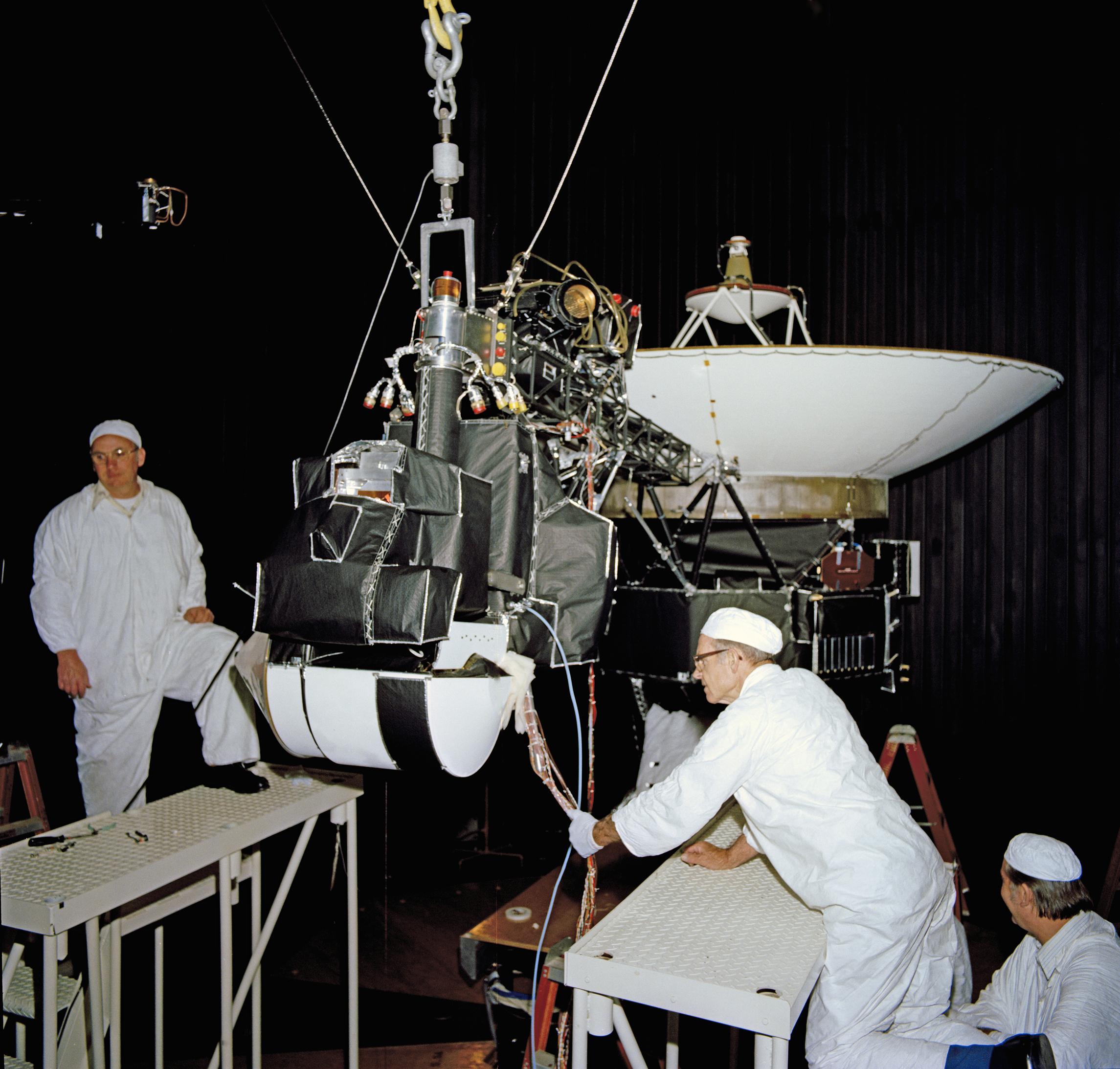
How it unfolded 1 development · click the chart to see its coverage articlesposts
-
1
NASA details likely cause as a thruster fault-protection trip
NASA's blog post says engineers have determined that one group of thrusters went offline and backups switched on automatically, a fault-protection response, though the full cause of the communications loss is still under investigation.
“The Big Bang was unique because it required the swaps to occur simultaneously.”
— NASA Voyager team, Mission team, NASA/JPL · source -
 A
The NASA Voyager team is reporting that it successfully implemented the "Big Bang" procedure on the Voyager 1 spacecraft in September. Three devices were turned off and substituted with 3 lower-power alternatives. The devices help keep the spacecraft warm for operations. The procedure will extend the time before the next instrument is powered off…
2 more of the top 3 · 3 posts in this stretch
-
True, but if Voyager is transmitting zero telemetry, all they can do is send reset commands. They take a day to get there at light speed.
-
It’s also a light day away, so any response to a message would take 48 hours from the time the message was sent from Earth.
-
-
background
Voyager 1's signal reappears and contact is restored — The spacecraft's signal returned on its own 24 hours after the second missed contact, and the team has maintained communication with it since, later sending commands to troubleshoot the cause.
-
background
Voyager 1 goes silent during two scheduled contacts — NASA's Deep Space Network failed to detect a radio signal from Voyager 1, 16 billion miles from Earth, during two scheduled communications attempts 24 hours apart on Oct. 18 and 19.
-
background
Voyager 1 completes the "Big Bang" power-saving swap — Engineers turned off three onboard devices and substituted three lower-power alternatives simultaneously, reducing power draw while keeping the spacecraft warm enough to operate, extending the life of its remaining science instruments.
-
background
Voyager 2 undergoes the same power-saving device swap — The mission team first performed the low-power device substitution, later nicknamed the "Big Bang," on Voyager 1's twin, Voyager 2, about six weeks before doing it on Voyager 1.
Also covered reported alongside — the timeline has no entry for these yet
-
first by Phys.org, 12d ago · also NASA Jet Propulsion Laboratory (JPL) (.gov), NASA Science (.gov)
-
first by Mashable SEA, 12d ago · also Mashable
1 more headline
- NASAs Voyager 1 gives mission control another moment of panic Mashable · 12d ago
and 5 smaller pieces