Chernobyl Dogs Show Genetic Divergence From Natural Selection, Not Radiation
New study identifies evolutionary drivers behind genetic differences in dogs near the abandoned nuclear plant.
What to know
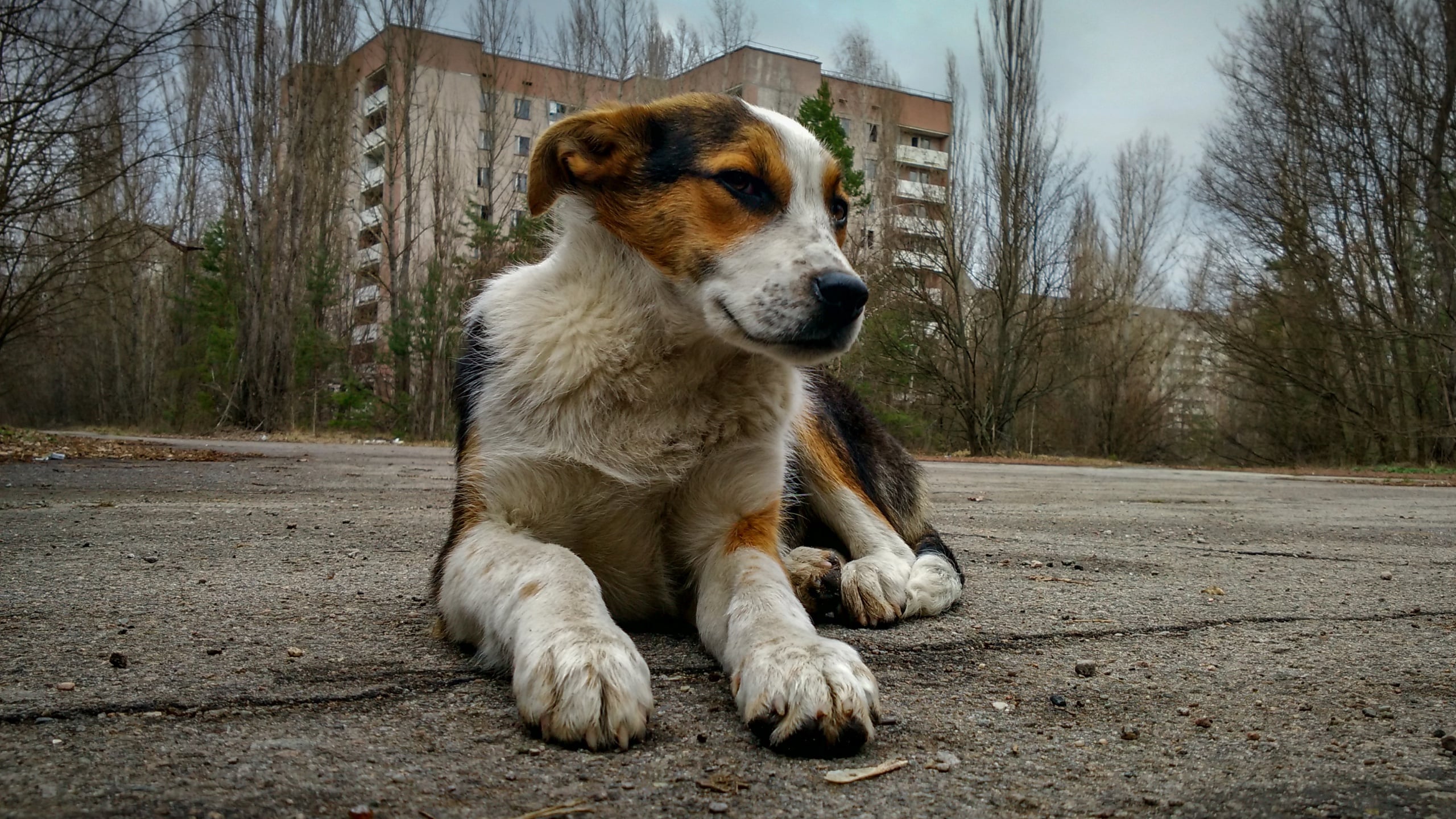
- A new study by Megan Dillon's team analyzed 106 dogs from the Chernobyl Exclusion Zone and found genetic differences between dogs near the nuclear plant and those 16 km away are driven by natural selection and genetic drift, not radiation-caused mutations.
- Genetic changes are concentrated near genes linked to cancer, immune response, and cellular function—suggesting selective pressure rather than random drift.
- The research resolves a puzzle from prior studies: why geographically close dog populations showed high genetic differentiation despite no evidence of radiation-induced mutations.
- Several hundred dogs now inhabit the exclusion zone, descended from pets left behind during the 1986 evacuation, offering a living model for studying evolution in contaminated environments over more than 30 canine generations.
“With this work we wanted to explore two additional larger-scale evolutionary drivers – are the genetic differences due to selection, or are they due to genetic drift over time in an isolated population?”
Megan Dillon, Population geneticist · ScienceAlert ↗
Megan Dillon Population geneticist, lead authorNorth Carolina State University research team Research institution
How it unfolded 1 development · click the chart to see its coverage articlespostscomments
-
1
Dillon team identifies natural selection and genetic drift as drivers
Analysis of whole-genome sequence data from 106 dogs sampled between 2018 and 2019 revealed that genetic differences are concentrated in genomic regions near genes associated with cancer, cellular function, infectious diseases, and immune response. The differentiation appears driven by natural selection and genetic drift rather than random chance alone.
“This [new study] ties up some of the loose ends from our previous work, where in characterizing the population's genetic structure we found that while these two dog groups are geographically very close, they have a very high degree of genetic difference, and those differences aren't due to mutation.”
— Megan Dillon -
first by ScienceAlert, 8d ago · also Wired
1 more headline
- Chernobyl’s Dogs May Be Evolving, but Scientists Don’t Know Why Mastodon · 4d ago
-
This will probably have to be a very long term project. The dogs living there have a short life span mostly from being wild. With the biggest factors as starvation and exposure to the elements and injury. Cancer from radiation at these level wouldn't start to have evolutionary pressure till older age. There are still some dogs that probably get to…
1 more of the top 2 · 2 posts in this stretch
-
There is and I have seen it. It has given me not 10 but just a single commandment. I have to collect all the money and worldly possessions of his believers.
-
-
background
Follow-up study rules out mutations as cause of genetic differences — A 2024 study found no evidence that mutations were driving the genetic differentiations between the two dog populations, leaving researchers to investigate other evolutionary drivers.
-
background
Researchers find genetic distinctness in Chernobyl dog populations — A study by researchers including Megan Dillon found that dogs living near the abandoned nuclear power plant were genetically distinct from dogs living further away, raising the possibility that genetic variations resulted from radiation-induced mutations.
-
background
Chernobyl explosion forces evacuation and animal abandonment — The catastrophic explosion at Chernobyl Nuclear Power Plant prompted Soviet authorities to declare a 2,600-square-kilometer exclusion zone. Residents were forced to leave pets behind; 'liquidators' were sent to destroy remaining animals, though some domestic dogs escaped and eventually established persistent populations within the zone.
Also covered reported alongside — the timeline has no entry for these yet
-
first by ColombiaOne.com, 10d ago · also Around Prague
1 more headline
- Chernobyl’s Stray Dogs Show Signs of Selection, Not Radiation Damage Around Prague · 8d ago