Cortical Labs powers robot dog with lab-grown human brain cells
Australian researchers demonstrate neurons on a chip can direct a robotic dog toward targets, suggesting biological computing could outperform AI in energy efficiency and adaptability.
What to know
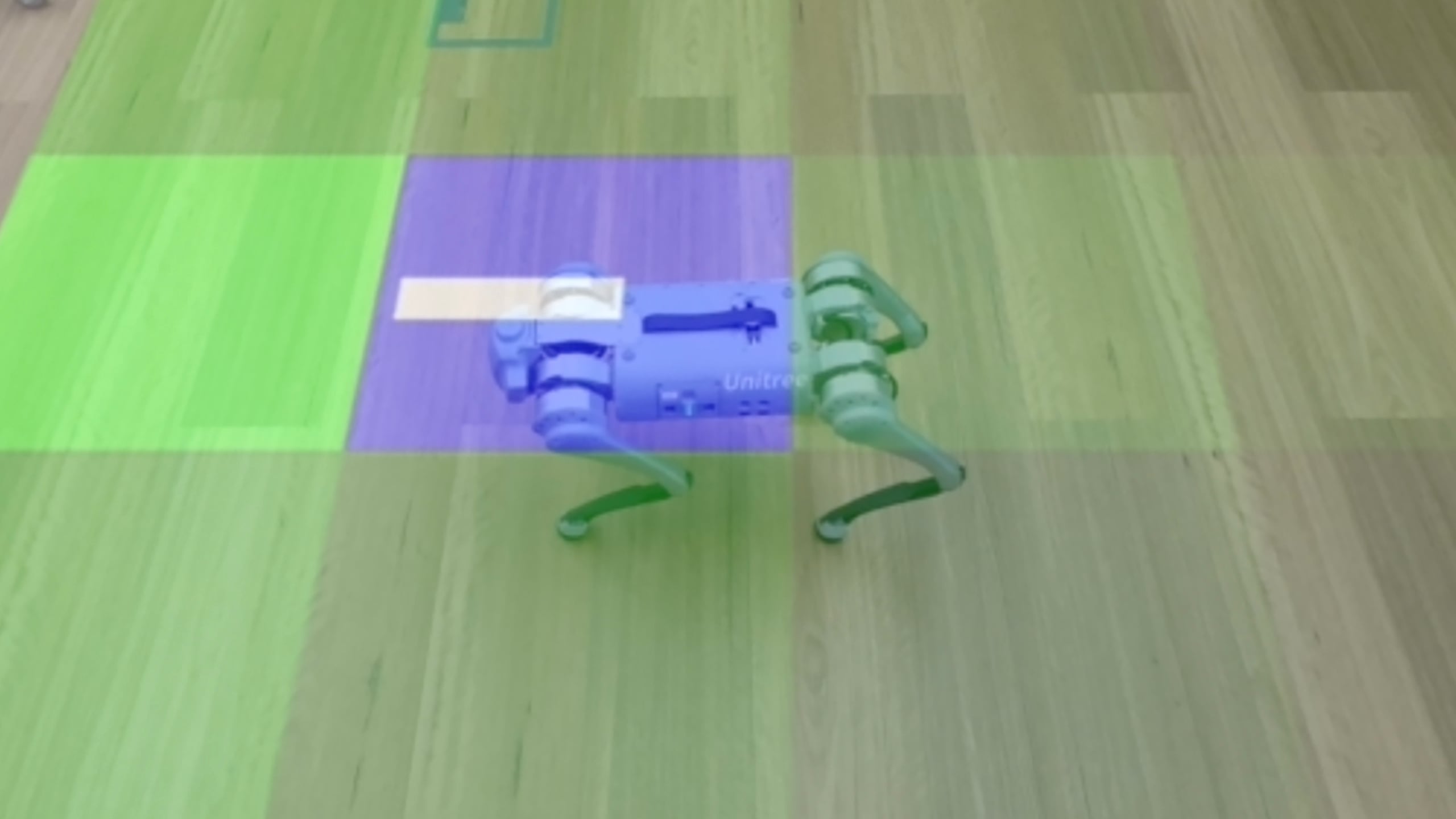
- Cortical Labs demonstrated a robot dog controlled by lab-grown human neurons on a chip, translating neural electrical activity into movement toward targets on a map.
- The technology offers potential advantages over AI and traditional robotics in energy efficiency and real-world adaptation, though it remains in early stages.
- Researchers partnered with Honda to test the system in a virtual environment over 4,000 hours, exploring how biological computing could enable autonomous systems to learn and adapt in unpredictable conditions.
- Next steps involve scaling up the neuron chips to handle more complex tasks faster than current trial-and-error approaches allow.
“Longer term, this approach could support robots and autonomous systems that need to make decisions in unpredictable, real-world environments.”
Brett Kagan, CEO of Cortical Labs · ScienceAlert ↗ · Oct 30
Brett Kagan Co-founder and CEO of Cortical LabsDaniel Tanneberg Senior Scientist at Honda Research Institute EuropeCortical Labs Australian biotech research organizationHonda Research Institute Europe Research partnership organization
How it unfolded 2 developments, newest first · click a bar or a number to jump articlesposts
-
1
Kagan highlights neuron advantage over traditional robot control
Cortical Labs CEO Brett Kagan explains that while modern robots excel at physical control tasks like walking and acrobatics, they struggle with higher-order learning and adaptation to changing conditions—areas where neuron-based control could excel.
“Robots that are becoming remarkably capable machines at their physical control, still struggle with the higher order control required to learn quickly or adapt when conditions change.”
— Brett Kagan -
background
Cortical Labs and Honda test neurons in virtual environment — In partnership with Honda Research Institute Europe, Cortical Labs ran a similar demonstration in a virtual system, directing an agent around a grid in search of a reward. Over 4,000 hours of interactions, the team tested almost 1,300 different signal combinations.
-
2
Cortical Labs equips robot dog with lab-grown neurons
Scientists at Cortical Labs in Australia fitted a robotic dog with neurons grown in the lab on a chip equipped with electrodes providing two-way electrical signaling. The neurons were able to direct the robot toward a target on a simple map.
“The robotic dog is a simple demonstration of how progress in biological systems can also be applied into the real world, but it helps make the opportunity tangible.”
— Brett Kagan