Smugglers use chip-packaging loophole to move banned HBM into China
A chip-design firm reportedly pairs export-controlled Korean memory with cheap, unsanctioned processors so customs inspections miss the restricted hardware.
What to know
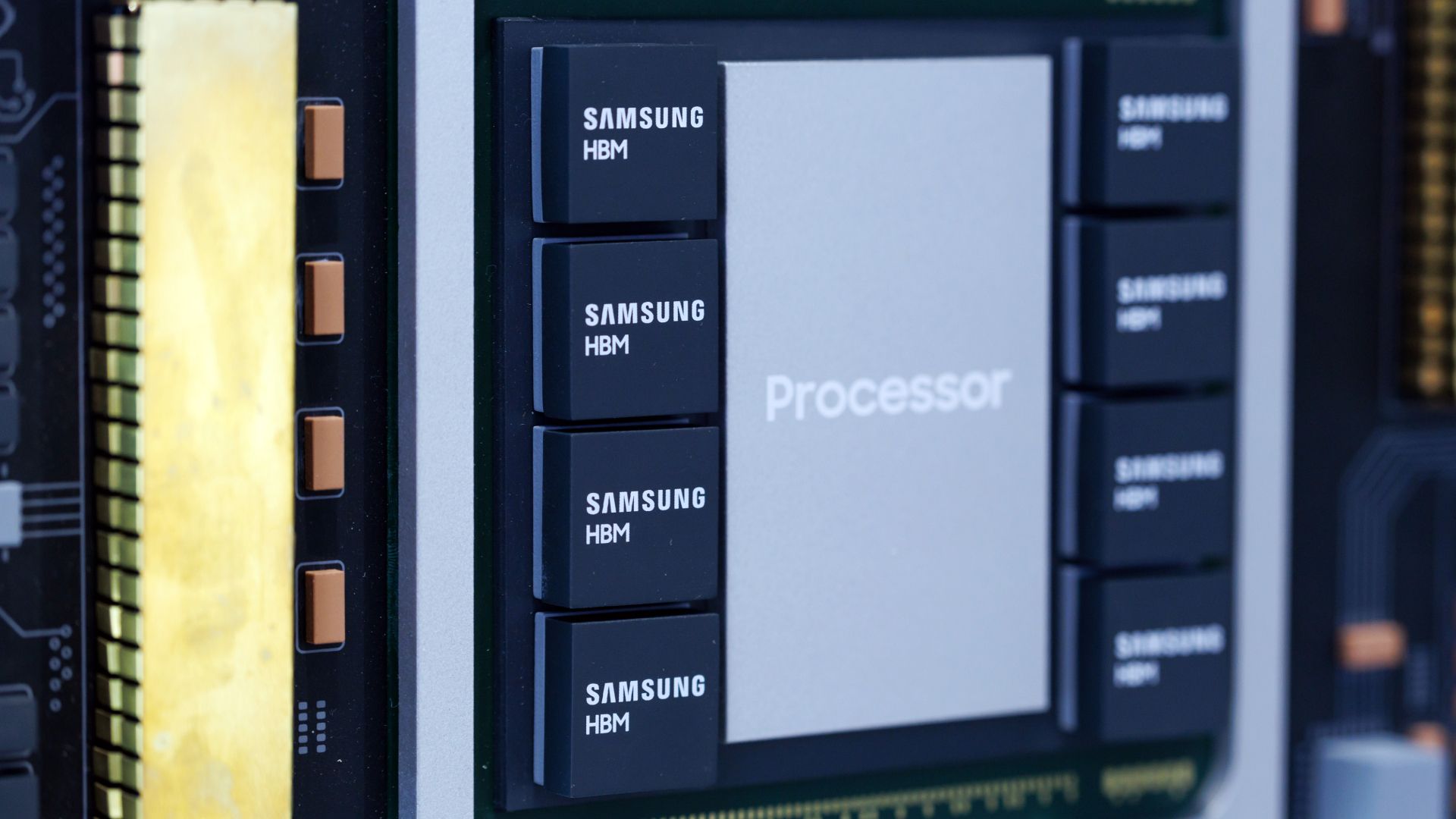
- A chip design firm owner reportedly smuggles export-controlled South Korean HBM into China by bundling it with cheap, unsanctioned processors.
- Customs inspections reportedly check only the performance of a server's processors, not its memory, letting the restricted HBM pass as part of a legal export.
- The scheme highlights a gap in trade-control enforcement targeting advanced AI chip components rather than full systems.
“A memory smuggler has detailed how he gets export-controlled HBM chips from South Korea into China using a loophole.”
Tom's Hardware, Reporting outlet · Tom's Hardware · Nov 2
Unnamed memory smuggler Owner of a chip design firmThe Information Originating news outlet
How it unfolded 2 developments, newest first · click a bar or a number to jump articlesposts
-
2
Details emerge on how customs checks miss the banned memory
Follow-up coverage specifies that customs authorities only check the performance specifications of a server's processors, which lets smugglers attach high-end, export-controlled memory chips to low-end processors and ship the combined product into China undetected.
“Customs authorities only check the performance specifications of a server's processors, allowing smugglers to attach high-end memory chips to low-end processors and ship them into China.”
— Tom's Hardware -
first by Tom's Hardware, 5d ago
-
-
1
Outlet details scheme to smuggle banned HBM into China via packaging loophole
Tom's Hardware, citing reporting from The Information, describes how a smuggler who owns a chip design firm builds cheap, low-performing processors and attaches export-controlled high-bandwidth memory chips to them so the bundled hardware can be shipped into China as a legal export.