Study reveals psychoactive drugs given to Inca child sacrifices
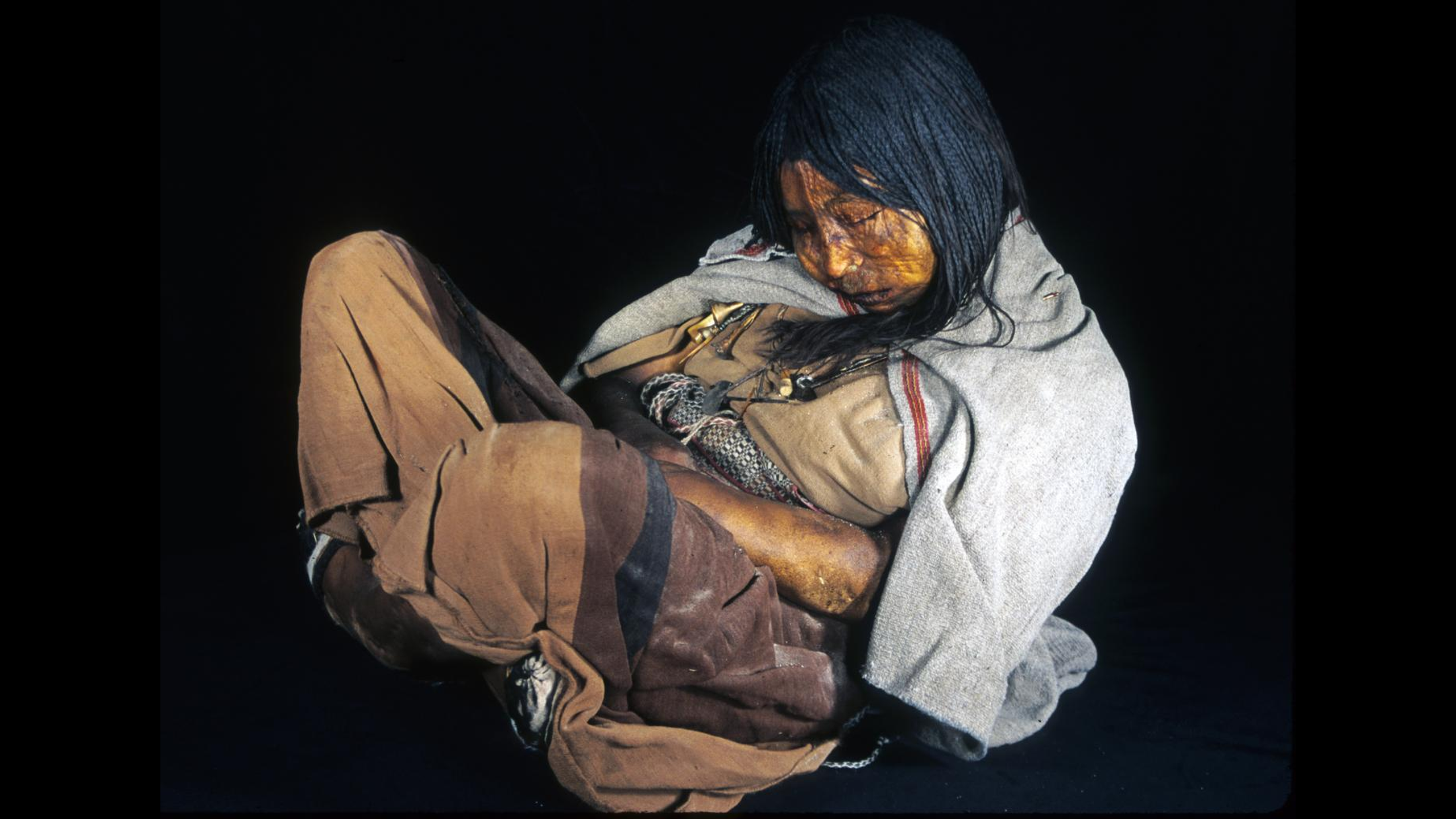
Analysis of 8 mummified children shows coca, alcohol, and hallucinogens were administered months before capacocha rituals.
What to know
- Analysis of 8 Inca child mummies dating to ~500 years ago detected cocaine, alcohol, and harmine in their hair and nails, indicating psychoactive drug use weeks to months before capacocha sacrifice.
- Researchers propose the drugs served dual purposes: suppressing hunger/fatigue during long mountain processions and potentially aiding spiritual communication with gods.
- Each child showed a distinct chemical signature, suggesting individualized ritual preparation tailored to specific deities.
“We cannot reconstruct the children's emotions or determine precisely how they experienced these events. However, we should not assume that being selected for a prestigious religious ceremony necessarily meant that the experience was not frightening or traumatic.”
Dagmara Socha, Archaeologist, University of Warsaw · New Scientist ↗
Dagmara Socha Archaeologist, University of Warsaw
How it unfolded 2 developments, newest first · click a bar or a number to jump articlespostscomments
-
2
Study interprets drug administration as preparation for sacred journey
Researchers propose that substances were administered to help children endure the ordeal ahead, suggesting dual purposes: medicinal relief from hunger and fatigue via coca leaves, and possibly altered consciousness via harmine to aid communication with gods. Each child showed a unique chemical signature, indicating individualized preparation.
“Their preparation may therefore have been intended to help them endure the journey and reach their final destination in the best possible condition.”
— Dagmara Socha, archaeologist, University of Warsaw -
Headline: “These kids were given cocoa leaves and alcohol, likely to ease their long, scary final journey, not to make them hallucinate. One girl even had traces of a plant from the Amazon jungle. From the article: One especially tantalizing finding was harmine, detected in the nails of a 14-year-old girl known as the Ampato Maiden, or Juanita…
2 more of the top 3 · 6 posts in this stretch
-
You have to realize you will be judged the same. There's many cruelties and sacrificial lambs we offer today. Imagine an archeologist finding your body in the future, analyzing your clothing and deciding you were part of the upper class of a slaver society, wearing clothing made by slaves. Because that would not be wrong, depending on the…
-
I think the point is that the intention was to alleviate the suffering. They probably didn’t know how to make cocaine. Maybe if they did then they would have given them cocaine instead. I’m not saying it is right to give kids cocaine, I’m saying that the author is probably simply trying to communicate the intentions of those people by using…
-
-
1
Researchers detect psychoactive drugs in Inca child mummy samples
Toxicological analysis of hair and nail samples from eight mummified children sacrificed during Inca capacocha rituals reveals traces of cocaine, alcohol, and harmine—a hallucinogenic compound from ayahuasca. The children, aged 6–14 and dating to around 500 years ago, were discovered at sites in Peru, Argentina, and Chile.
“Our main question was which psychoactive substances were given to children during the capacocha ritual and what purpose they served.”
— Dagmara Socha, archaeologist, University of Warsaw -
first by Archaeology News Online Magazine, 5d ago · also ScienceAlert
2 more headlines
- Analysis of Inca mummies identifies the drugs used in their most important sacrificial ritual Phys.org · 5d ago
- Inca Mummies Reveal Drugs Used During Human Sacrifice ScienceAlert · 5d ago
-
first by Gizmodo, 5d ago
-
Also covered reported alongside — the timeline has no entry for these yet
-
first by Smithsonian, 4d ago · also Times of India
1 more headline
- Ancient Inca mummies reveal coca, alcohol and ayahuasca in sacrifice rituals Times of India · 8h ago
-
first by Scientific American, 5d ago · also New Scientist
1 more headline
- Inca children were drugged before being sacrificed New Scientist · 5d ago
and 1 smaller piece
What people are saying 3 voices from 1 site · best of 6 · verbatim
- Nov 3
-
Can't call or imply any part of a culture is bad or evil. Even if it involved literally murdering children. Got to try and dress it up to make it not sound 100% evil
-
You've got a lot of bad, unscientific answers, ironically. It's a reanalysis of "would've" (and should've, etc.) presumably by people who never use "would have" in speech, and possibly don't see it much in writing. "Would've" and "would of" sound the same, so for those speakers they reanalyse the phrase as the latter.
-
It is always the Americans who type that. They are a product of American schools.