UC Riverside study published on Venus moon loss mechanism
1 Sep 16 · 8d ago · 2 articles · 1 post · 2 sources · development 1 of 3
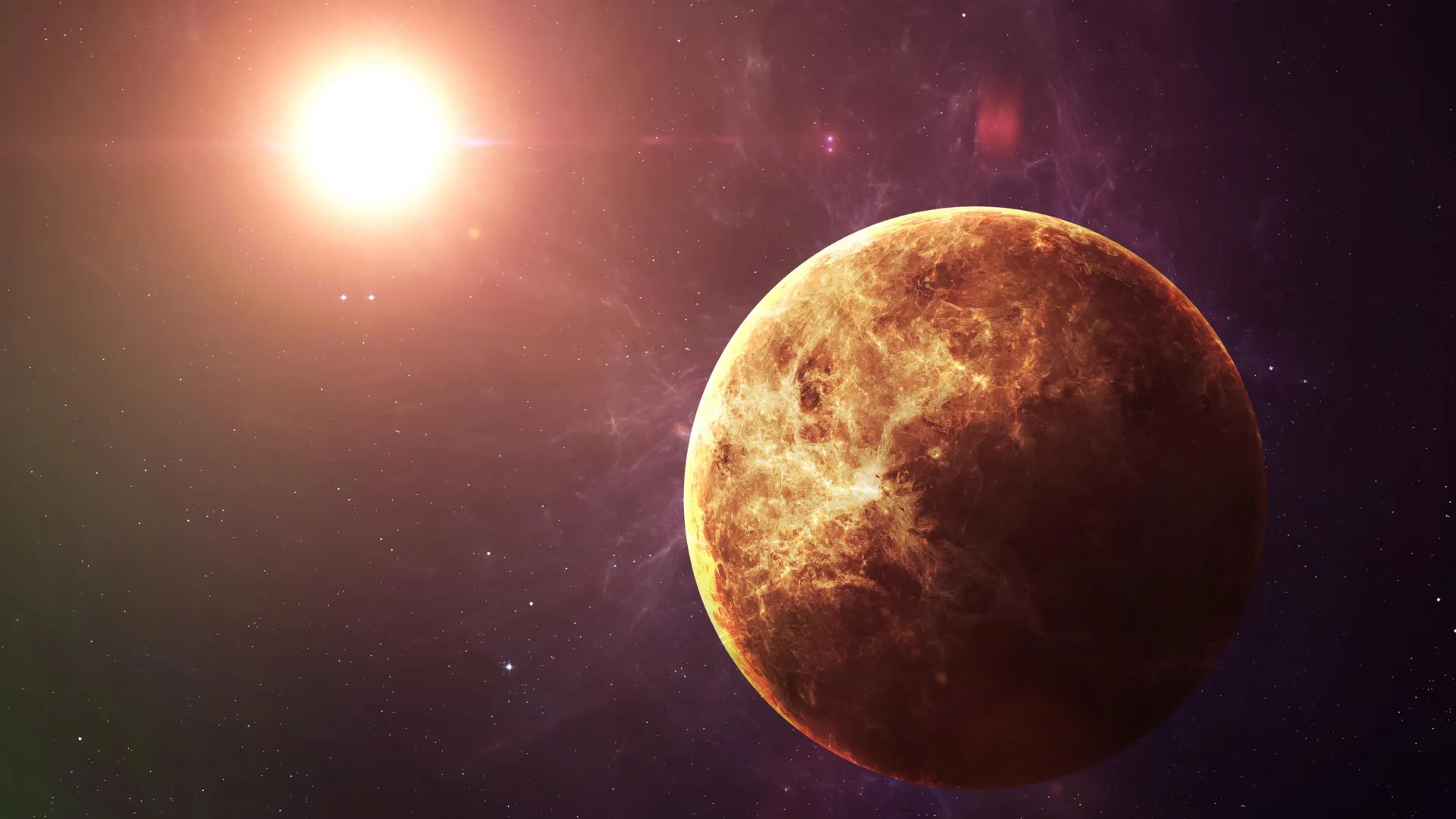
Stephen Kane and colleagues at UC Riverside published research in The Astrophysical Journal proposing that Venus's slow rotation would cause any moon to spiral inward and crash into the planet. Computer simulations tested hypothetical moons ranging from half to ten times Earth's moon mass and found consistent results across most scenarios.
“My study shows Venus didn't require a catastrophe to arrive at what we can see today. It turns out the gravity of the planet itself combined with the rate at which it spins naturally caused the moon to collapse on top of it.”
Stephen KaneStephen Kane UC Riverside astrophysicist, study lead authorUC Riverside Research institution
The whole story articlesposts the bright band is this development · numbered dots are the others · click one to jump
What was reported 2 claims about this development
-
2 outlets Did Venus 'swallow' its own moon?
first by BBC, 7d ago · also The Brighter Side of News
1 more headline
- Venus may have swallowed its own moon, new models finds The Brighter Side of News · 7d ago
-
first by Science Daily, 7d ago
What people said 1 voice · verbatim
-
#^ Venus Moon Would Have Been Doomed From The Start, Says New Paper Venus likely never had a moon and even if it did, it would have soon been torn asunder by the planet’s own gravity, says prominent planetary astrophysicist.
All 3 developments of UC Riverside study: Venus likely consumed its own moon →
MastodonGoogle NewsNewswiresHacker News