Study shifts explanation from catastrophe to natural physics
2 Sep 16 · 7d ago · 1 post · 1 source · development 2 of 3
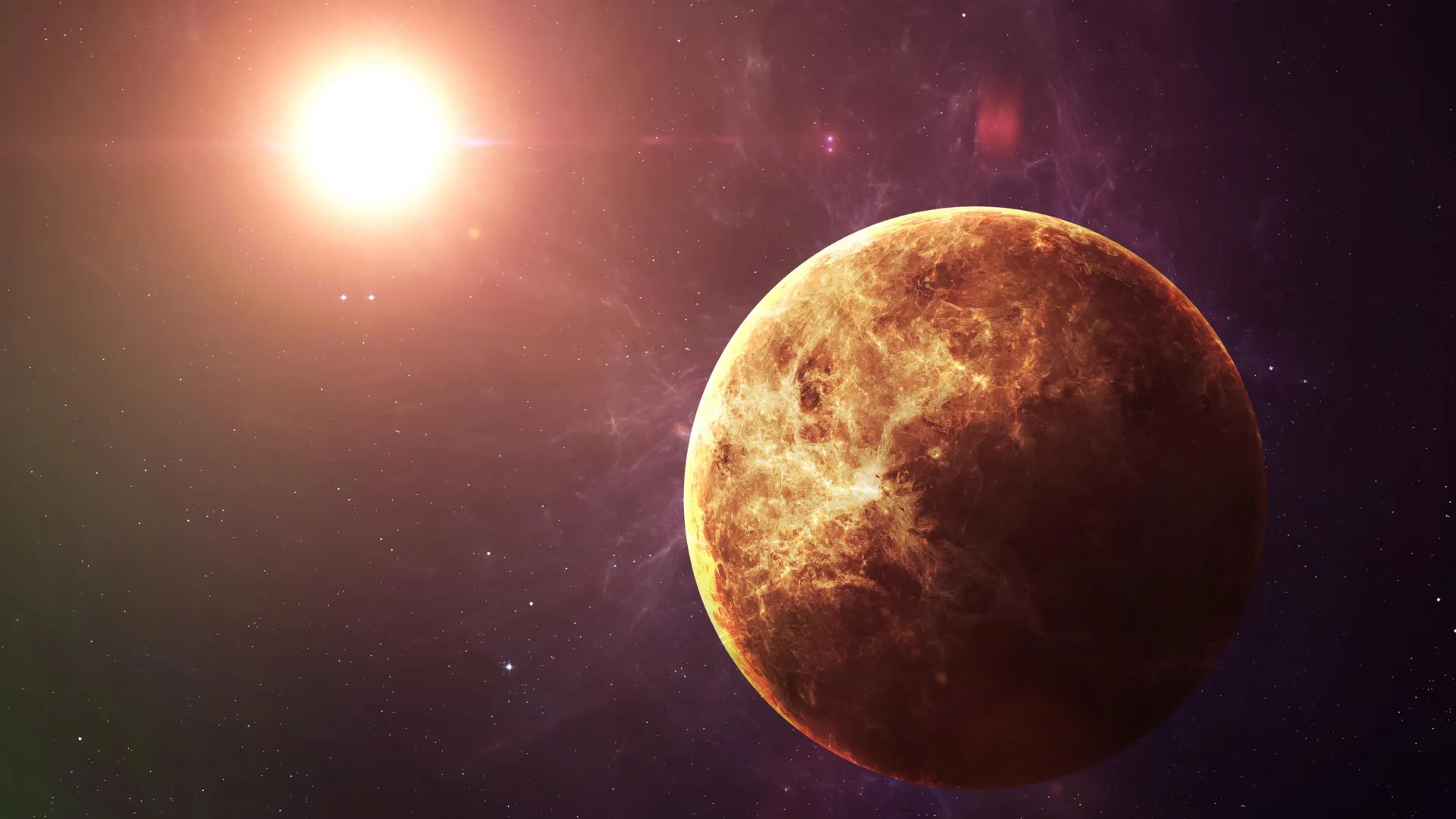
The research departs from previous theories that Venus either never formed a moon or lost one in a massive external impact. Kane's work shows Venus's moon loss could be a natural outcome of ordinary tidal physics, with the planet's slow spin being the decisive factor rather than requiring an exotic event.
“My study shows Venus didn't require a catastrophe to arrive at what we can see today. It turns out the gravity of the planet itself combined with the rate at which it spins naturally caused the moon to collapse on top of it.”
Stephen Kane, UC Riverside astrophysicist, study lead author · hn ↗Stephen Kane UC Riverside astrophysicist, study lead authorUC Riverside Research institution
The whole story articlesposts the bright band is this development · numbered dots are the others · click one to jump
What was reported 2 claims about this development
-
first by srpske.rs, 12d ago · also Space Daily, Bangkok Post, Mashable
4 more headlines
- Venus may once have had a moon, but new simulations show that as the planet’s rotation slowed, tidal forces could have dragged the satellite inside the Roche limit and destroyed it—in some scenarios within just 30 million years. Space Daily · 9d ago
- Venus may have swallowed its moon Bangkok Post · 9d ago
- New Study Explains Why Venus Has No Moon Sci.News · 8d ago
- Scientists say if Venus ever had a moon like ours, it was doomed Mashable · 8d ago
-
first by The Times, 8d ago
All 3 developments of UC Riverside study: Venus likely consumed its own moon →
MastodonGoogle NewsNewswiresHacker News