University of Alberta nanoparticle study reverses Alzheimer's in mice
A 30-year Alzheimer's researcher says a new nanoparticle treatment reversed disease markers in mice, sparking a viral wave of hope, grief and animal-testing debate online.
What to know
- Mice with Alzheimer's treated with nanoparticles showed reversal of disease markers at the molecular and cellular level plus improved symptoms, per University of Alberta researchers.
- The lead researcher, after 30 years studying Alzheimer's, called the results the most exciting of their career.
- The nanoparticles used (PLGA) are biodegradable and already used to deliver about 20 drugs in humans, according to commenters citing the article.
- The finding is still an animal study; whether it translates to effective human treatment, and whether it would be accessible or affordable, remains unresolved and contested online.
The dispute Whether using mice to develop the treatment is ethically justified given the potential human benefit, versus the view that such testing is inherently cruel and unjustifiable. · positions read across 48 posts and comments
The study is genuinely hopeful given personal experience with dementia's toll on families, and research should be accelerated.
-
“It's too late for my family. Our lives have been decimated since 2015 caring for parents with dementia slowly consuming their minds. It's a long term illness of family torture.”
andreastudiescovid.bsky.social · Bluesky ↗
Testing on mice is unethical (speciesism) regardless of potential human benefit.
-
“Animal experimentation is unethical and unacceptable regardless of human benefit. Speciesism = racism = sexism.”
wrennreed.bsky.social · Bluesky ↗
Animal results rarely translate to humans, and any treatment likely won't be affordable or approved anyway.
-
“If only animal studies didn't create hope, for them only to be dashed because humans aren't mice, rats, monkeys etc.”
colbobs.bsky.social · Bluesky ↗
University of Alberta researchers Study authors
How it unfolded 5 developments, newest first · click a bar or a number to jump postscomments
-
5
Others question access, affordability and political will
Some commenters expressed doubt that any resulting treatment would be affordable or approved, particularly in the United States, contrasting it with Canada's universal healthcare system.
“please carry on I helped my wife for 4 years as I saw her disappear in front of me Alzheimer's is worse than cancer at least with cancer you have an end date…”
— heidinjoe.bsky.social, Bluesky commenter · source -
If it's a choice between a parent or a mouse, most people will choose to save their parent. It's unfortunate that you'd choose the mouse.
2 more of the top 3 · 39 posts in this stretch
-
This is huge. 30 years of work and finally seeing reversal at the cellular level - hope this translates to human trials soon.
-
please carry on I helped my wife for 4 years as I saw her disappear in front of me Alzheimer's is worse than cancer at least with cancer you have an end date with Alzheimer's your mind is dead and you know it but they make you keep on suffering
-
-
4
Caregivers share personal loss, urge faster research
Commenters who cared for or lost family members to dementia responded with grief and calls to accelerate the research, some volunteering for future trials.
“It's too late for my family. Our lives have been decimated since 2015 caring for parents with dementia slowly consuming their minds.”
— andreastudiescovid.bsky.social -
Good. Speed it up! It's too late for my family. Our lives have been decimated since 2015 caring for parents with dementia slowly consuming their minds. It's a long term illness of family torture.
2 more of the top 3 · 3 posts in this stretch
-
No, it's animal cruelty. Most meds tested on animals don't work & u all go so above and beyond with ur human supremacy (based on looks) & u think the mice are so different they don't deserve to be treated like you and cruelly tested on, but so similar you think the meds will work on both of you 😑 🤢
-
No, most meds tested on animals don't work and you all go so above and beyond with your human supremacy (based on looks) & you think the mice are so different they don't deserve to be treated like you and cruelly tested on, but so similar you think the meds will work on both of you 😑 🤢
-
-
3
Animal-rights commenters condemn the mouse testing
Several commenters argued that using mice for the experiments is unethical regardless of potential human benefit, drawing pushback from others who cited animal testing behind existing vaccines and medicines.
“Animal experimentation is unethical and unacceptable regardless of human benefit.”
— wrennreed.bsky.social -
Come do research in Canada, we believe in science and fund it.
2 more of the top 3 · 5 posts in this stretch
-
Rfk would read this and take away that we should eat the mice
-
I pray that it works! I lost both parents to this disease!
-
-
2
Study goes viral on Bluesky, drawing thousands of reactions
A Bluesky post summarizing the CTV News article spread widely, accumulating over 3,600 engagement points and dozens of comments within a day.
“I've been working on Alzheimer's for 30 years and I've never been so excited.”
— Lead researcher, University of Alberta, Alzheimer's researcher · source -
D
A new study found that mice with Alzheimer’s that were treated with nanoparticles showed reversal of the disease at the molecular and cellular level, as well as improved symptoms. “I’ve been working on Alzheimer’s for 30 years and I’ve never been so excited.”
-
-
1
U of A study finds nanoparticles reverse Alzheimer's in mice
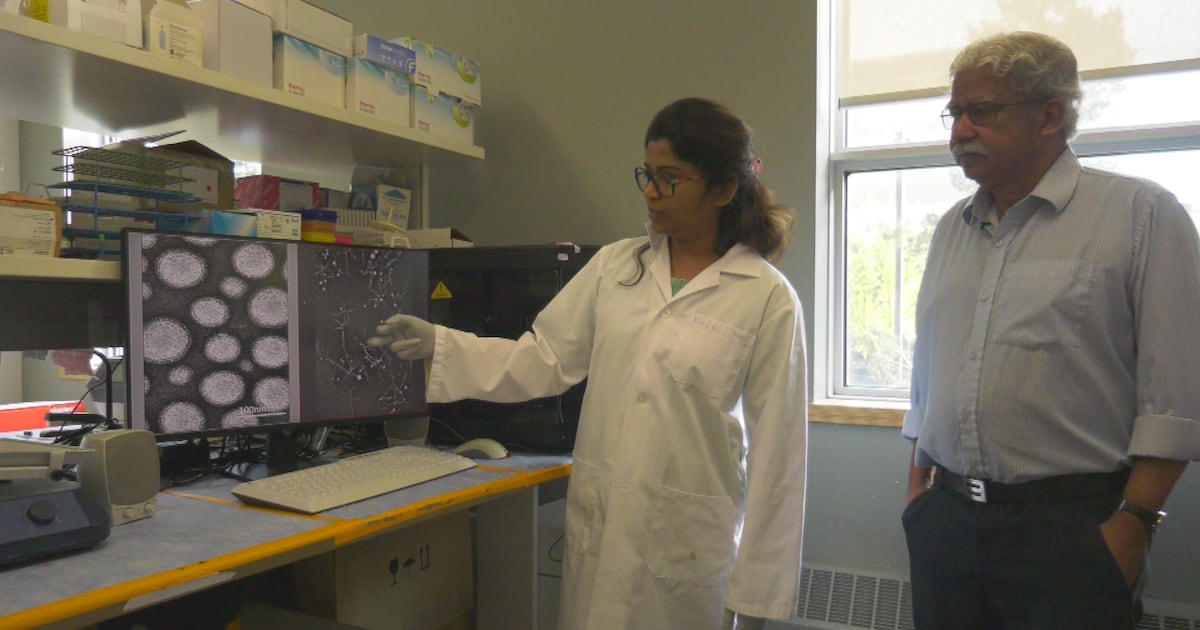
CTV News reports on a University of Alberta study in which mice with Alzheimer's disease treated with nanoparticles showed reversal of the disease at the molecular and cellular level as well as improved symptoms.
What people are saying 15 voices from 1 site · best of 48 · verbatim
- Will the nanoparticle treatment actually work in human trials, given past failures of animal-to-human translation?
- Will the resulting treatment be affordable or accessible, particularly for patients without universal healthcare?
- Sep 19
-
If only animal studies didn't create hope, for them only to be dashed because humans aren't mice, rats, monkeys etc. just as human studies focus on males and disregard females, resulting in less effective or misapplied treatments for females. Vegan healthcare professionals face dilemmas, often.
-
From the article: The polylactic-co-glycolic acid (PLGA) nanoparticles used in the study are biodegradable and have been used in the delivery of about 20 drugs in humans. More here: pmc.ncbi.nlm.
-
“The polylactic-co-glycolic acid (PLGA) nanoparticles used in the study are biodegradable and have been used in the delivery of about 20 drugs in humans.” Ok. Nice.
-
Awesome. There is hope for the next wave of Alzheimer’s patients. Just like Manitoba’s lab finding hope for MS. Canada’s researchers are so smart.
-
U of A has led a lot of exciting medical breakthroughs.
-
I'd sign up for a trial. Dementia runs in my family.
-
While real fcuking kuckoo Jr takes its family swimming in sewage. VOTE SCIENCE ↔️ VOTE BLUE
-
I lost my mom, my wife, two aunts and a grandfather to dementia. I know it all too well. Any advance in treating this horrible disease is welcome, but know that a cure is unlikely, and would suggest the answer may lie in prevention.
-
X
This is in Canada. We have universal healthcare. The only ones who wouldn’t be able to afford it are USAians. Vote
-
What a story that is! Anyone who has not read it here is the goodreads synopsis
-
Can I respectfully request this is not tested on the current incubus of the White House.
-
I expect you are only alive because of these types of experiments. All vaccines from the past were tested on animals, as were the over the couter medecines that you can buy. Which would you choose, your life or that of a mouse?
-
I'm sorry for your tribulations. It is a horrible thing to happen to a person and their family.
-
And yet kids can’t get their puberty blockers because the government says no So why does this matter? Not like anyone could afford the treatment. And the government will probably make it illegal just to hurt people
- Sep 18
-
The consumption of animal products has been linked to dementia - as well as a myriad of other diseases. Maybe if we ate better we wouldn't need to torture mice for a cure. Try a little preventive medicine for once.