Lactate takes direct route into heart mitochondria via MCT1 transporter
Researchers find lactate enters mitochondria directly in heart muscle, challenging decades of assumption about how the heart metabolizes fuel.
What to know
- Researchers found MCT1, previously thought to function only at the cell membrane, also exists in the inner mitochondrial membrane of heart cells, enabling direct lactate entry into mitochondria.
- This parallel lactate pathway bypasses the traditional route through cytosolic pyruvate conversion, allowing simultaneous oxidation of glucose and lactate under stress.
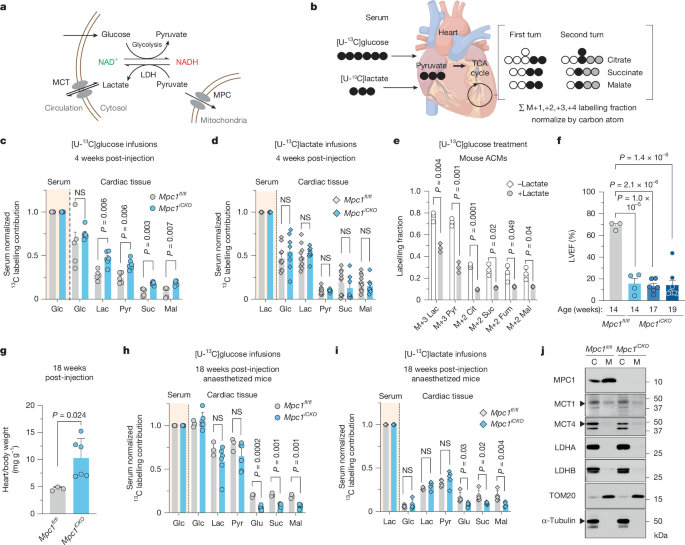
- Loss of MCT1 function impairs heart metabolism under stress and accelerates heart failure development, making the transporter essential for cardiac function.
“Loss of MCT1 impairs lactate oxidation, disrupts metabolic flexibility and accelerates the development of heart failure with increased mortality after hyperactivation of the neurohormonal axis or ischemia–reperfusion injury.”
Cluntun et al., Research authors · Nature ↗ · Oct 27
Ahmad A. Cluntun Lead researcherTrace Thome Cardiovascular researcher, University of PennsylvaniaZolt Arany Cardiovascular researcher, University of Pennsylvania
How it unfolded 2 developments, newest first · click a bar or a number to jump articlesposts
-
2
Finding distributed through news aggregation channels
The MCT1 research appears in Google News and coverage from Genetic Engineering and Biotechnology News, expanding awareness of the discovery.
-
 U
https://www. europesays.com/us/1150770/ MCT1-dependent mitochondrial lactate import sustains cardiac metabolism # Health # HeartFailure # Homeostasis # HumanitiesAndSocialSciences # Metabolomics # multidisciplinary # Science # UnitedStates # UnitedStates # US
-
-
background
Discovery defies prevailing dogma about lactate transport — Nature News commentary by Thome and Arany notes the findings overturn the long-standing model in which lactate oxidation requires conversion to pyruvate in the cytosol before mitochondrial entry. The new pathway explains how the heart simultaneously oxidizes both lactate and glucose to meet energetic demand.
-
1
Cluntun et al. publish MCT1-mediated lactate import pathway in Nature
A research team reports that lactate can enter mitochondria directly through MCT1, a transporter traditionally thought to reside only on cell membranes. The discovery shows MCT1 also sits in the inner mitochondrial membrane and, working with LDHB, enables lactate conversion to pyruvate and NADH to fuel the electron transport chain.
“In the heart, lactate can enter mitochondria directly through a specific transporter protein and this process is essential for cardiac function under stress.”
— Trace Thome and Zolt Arany -
first by Genetic Engineering and Biotechnology News, 14d ago · also Nature
1 more headline
-